
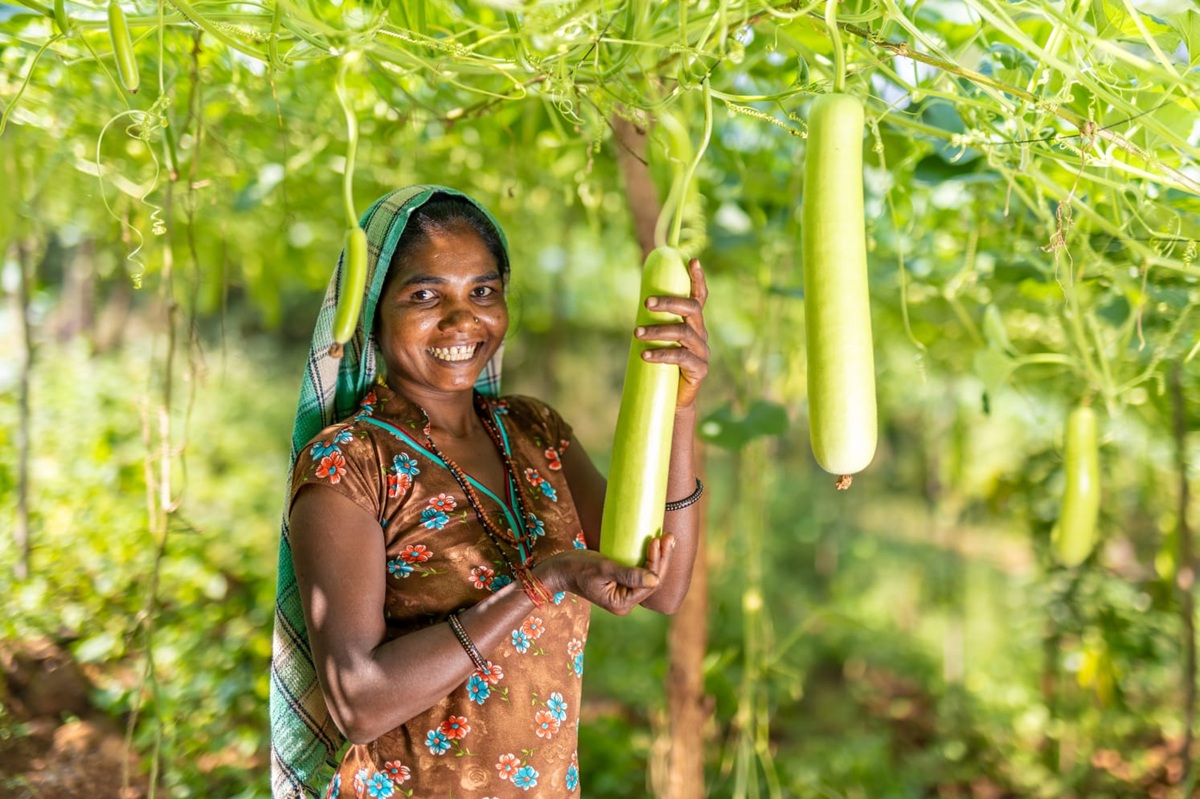
As the Global Alliance against Hunger and Poverty marks its second anniversary, we are reminded that commitments matter most when they improve people’s lives. BAIF is honoured to contribute to the Alliance’s Knowledge Pillar. We joined because practical experience, evidence and knowledge from the field can help countries strengthen their responses to hunger and poverty.
BAIF’s Statement of Commitment is to integrate social protection approaches into efforts to reduce hunger and poverty. For rural families, protection and opportunity must go together: dependable services and productive assets can help people meet immediate needs while building stronger livelihoods and greater resilience.
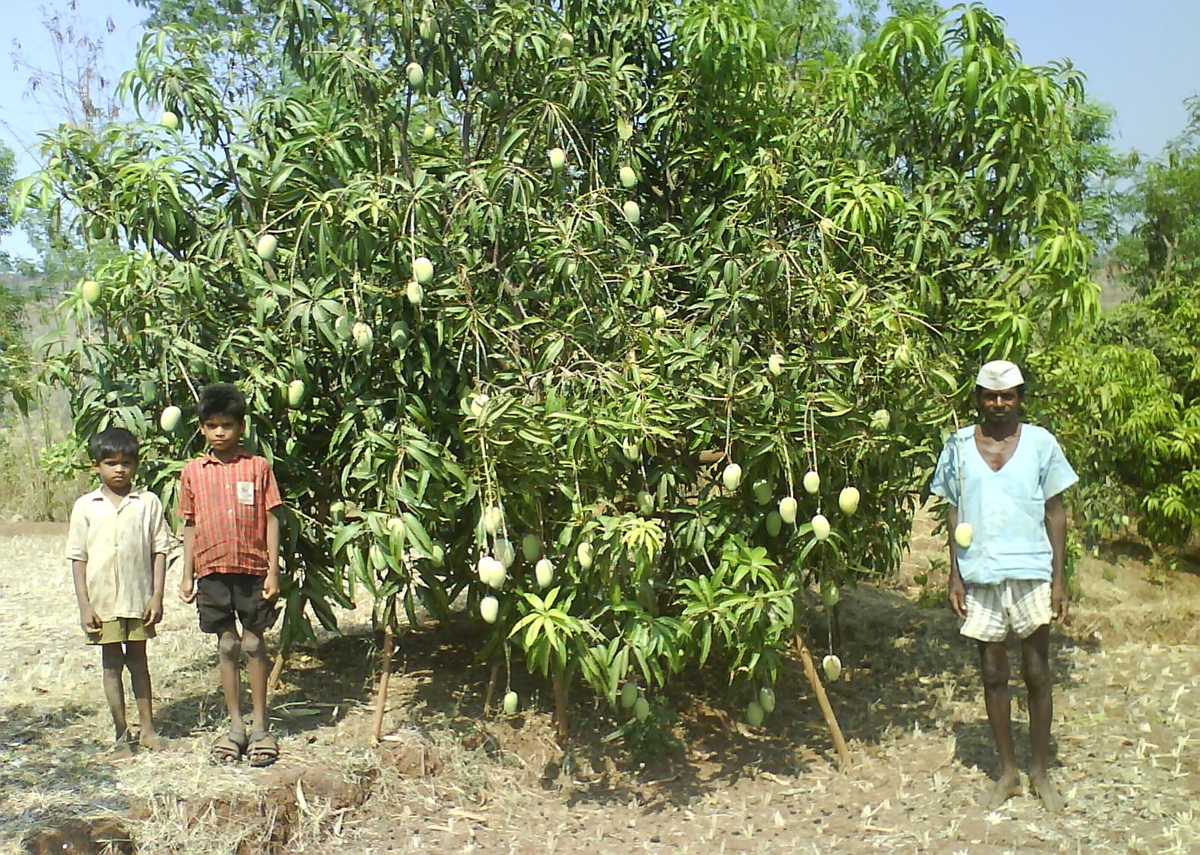
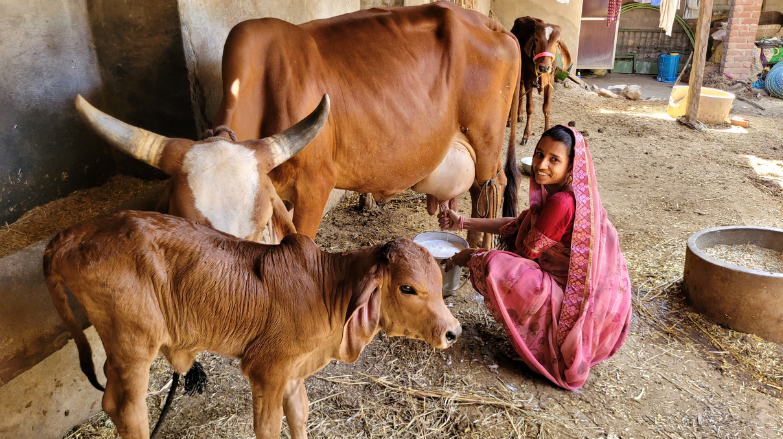
During FY 2025–26, BAIF’s integrated rural livelihood model reached more than 5 million families across 115,416 villages in 397 districts, including 70 aspirational districts in India. Its livestock development work supported 3.8 million families through 4,644 centres and delivered 5.91 million artificial inseminations. The wider approach brings together livestock-based livelihoods, agri-horti-forestry and women-led enterprise; 205,627 women entrepreneurs were part of this effort.
The results are visible in the scale of productive activity: BAIF’s livestock work supported 9.92 million tonnes of milk production and a reported annual contribution of ₹26,684 crore (266.84 billion) to the rural economy. These figures describe reach, production and economic contribution. The deeper test is whether families can sustain better incomes, nutrition and security through changing seasons and shocks. That is why programme quality and continued learning matter as much as scale.
As a Knowledge Pillar member, BAIF can help turn field practice into knowledge that others can use: what was implemented, what changed, what evidence supports the result, and what may need adaptation in another context. Sharing such lessons can strengthen country-led programmes and help public systems, communities and partners make better use of limited resources.
Over a year into the Alliance, the direction is clear: commitment and evidence-based programmes can deliver, and progress must now accelerate. BAIF will continue working with rural communities and partners, learning from results and sharing practical knowledge. Together, we can carry proven approaches further and keep the 2030 promise within reach.

Dr. Bharat Kakade
President and Managing Trustee
BAIF Development Research Foundation, India
0 Comments