
Outreach
States
Total Districts including 61 Aspirational Districts
Villages
Million families
BAIF STRATEGIC PLAN 2030
Programme Verticals and Impact
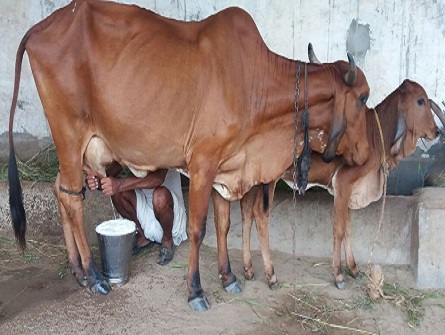
Livestock-based Livelihoods
33,95,933 (cum. 77,30,028) families from 99,452 villages in 13 states have improved their livelihood; Methane emission reduced by 17 to 20 %
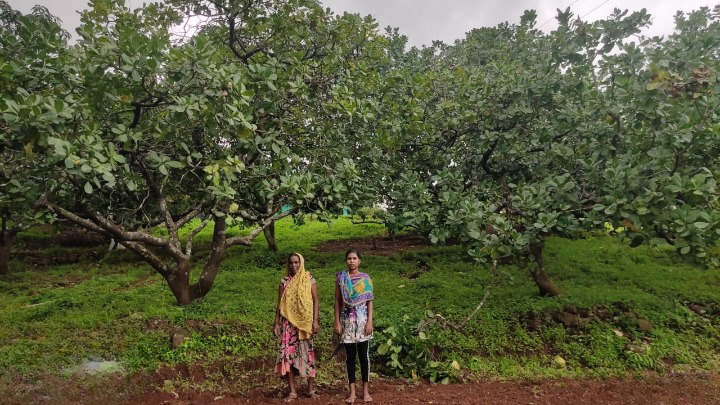
Farm-based Livelihoods
4239 (cum. 93,375) ha; 10,598 (cum. 233,438) tribal and poor families; 472 (cum. 7381) villages from 13 states; Carbon sequestered: 2.1 million tons
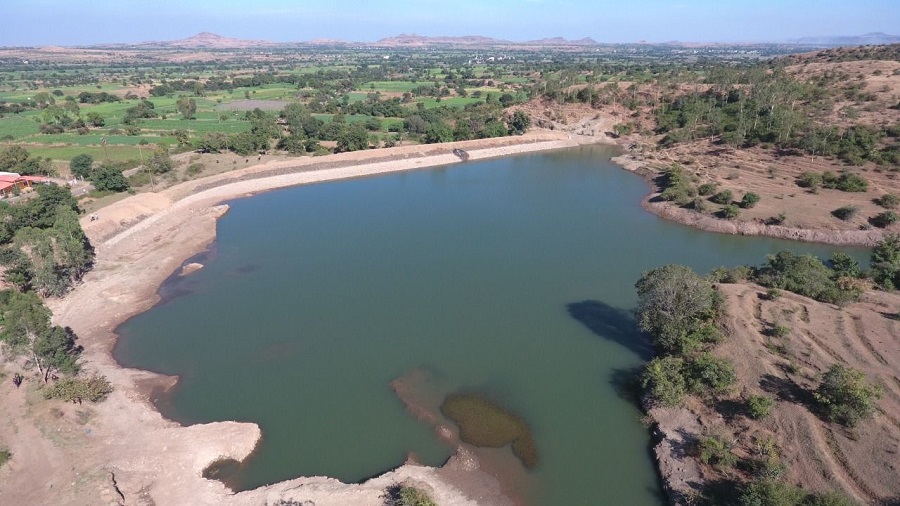
Water-centric and NRM-based Livelihoods
14,592 (cum. 386,701) ha; 19,478 (cum. 303,938) families in 381 (cum. 1894) villages in 14 states; Estimated carbon sequestered / offset: 14,592 tCO2e during the year 2023-24 (cum. 386,701 tCO2e)
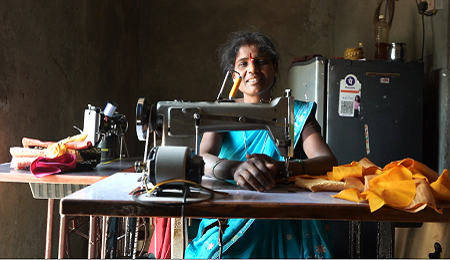
Rural Non-Farm Sector
13,515 families from 12 states; 882 Rural Entrepreneurs

Convergence of mainstream programmes for holistic development of 13,047 families (cum. 25,512 since 2020) from 89 villages of 10 states

2486 SHGs with 24,860 women members in 10 states; Changemakers in Agriculture

163,517 households have access to safe drinking water, improved nutrition and a cleaner environment through suitable WASH initiatives in 9 states
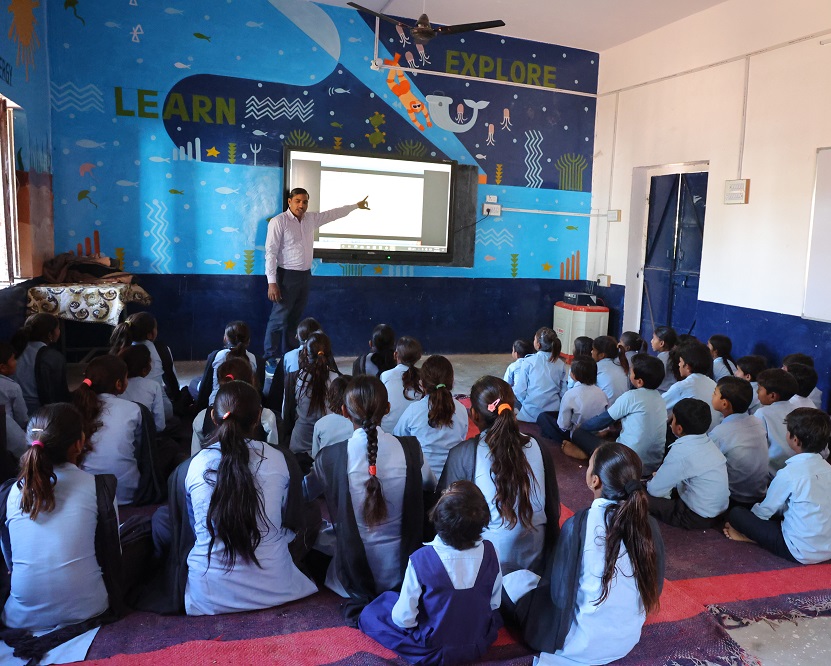
Education
Formal and non-formal educational initiatives in tribal regions; Functional literacy in Bundelkhand region and Smart School Programme; for 23,885 children from 292 school in 10 states were benefited during the year 2023-24.
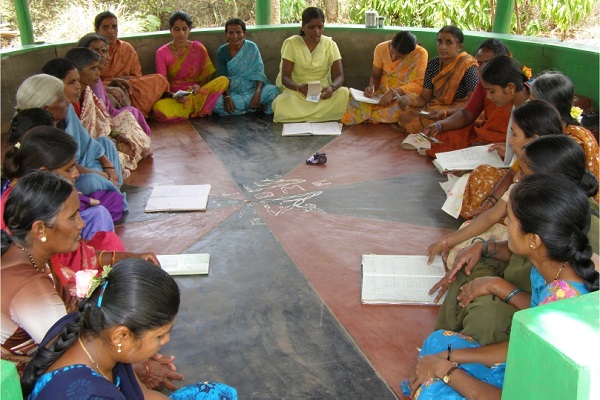
Capacity Building
127,465 farmers trained in Livestock Development, NRM and Farm-based Livelihoods
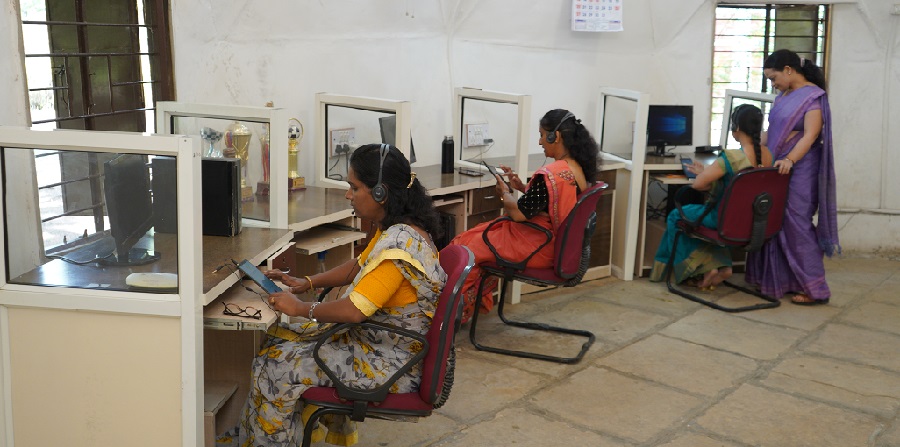
Information and Communications Technology
200,000 farmers accessed information; 110 eDosts; More than 60 online e-learning modules on LMS platform

Climate Change Adaptation, Mitigation and Climate-Smart Agriculture
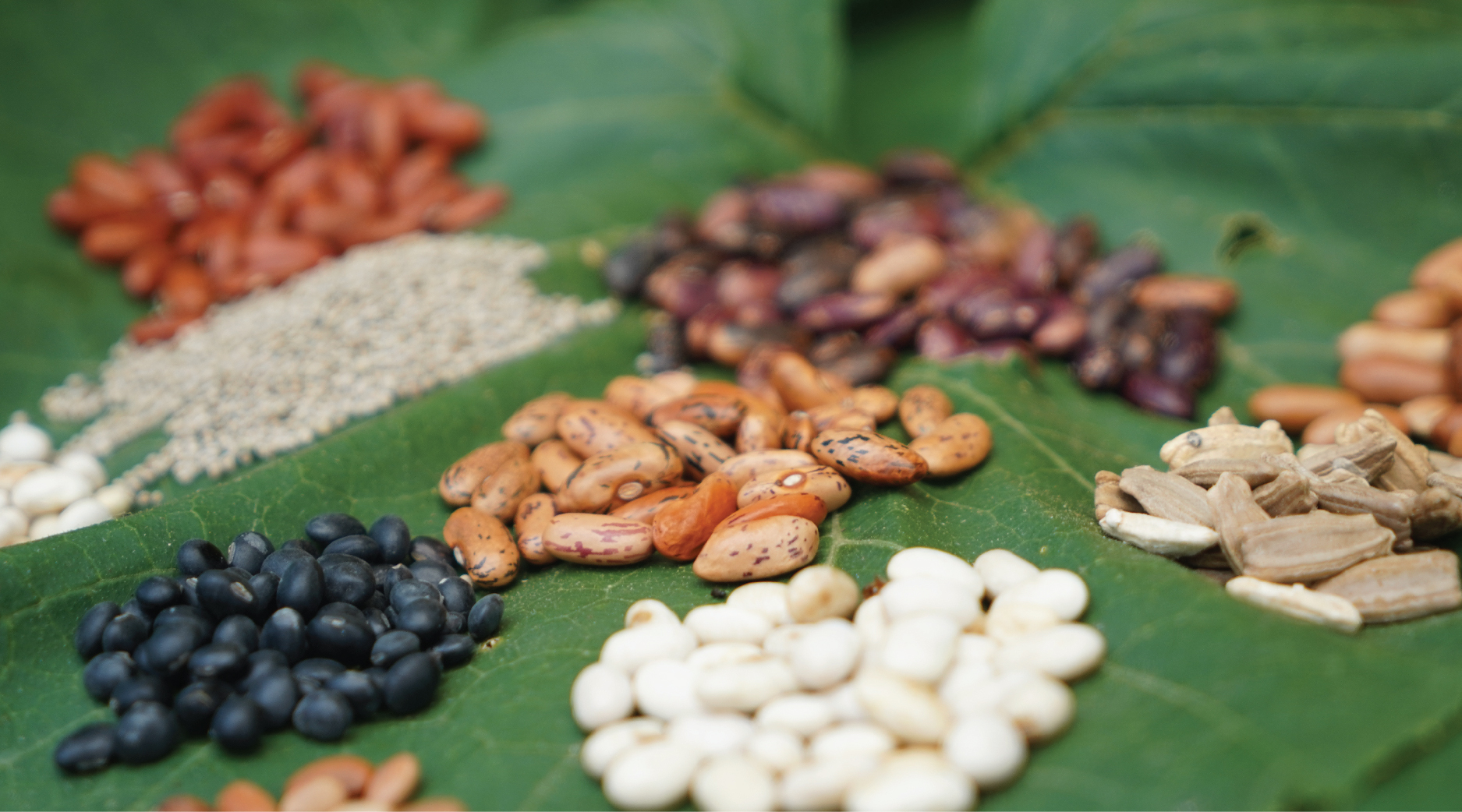
Agrobiodiversity Conservation
4000 tribal farmers from Maharashtra, Gujarat and Odisha engaged in conservation, seed production and upscaling of worthy landraces through seed saver groups

Nature-based Solutions
BAIF has adopted suitable nature-based practices in agriculture for addressing livelihood opportunities as well as for enriching the local ecosystems. This is aimed at nature conservation through suitable community-based initiatives for addressing climate change.
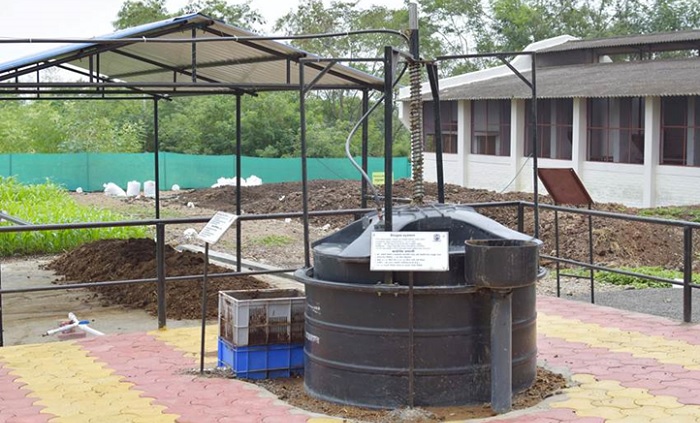
Renewable Energy
Estimated emission reduction by more than 2030 IRESA units is 8124 t. CO2 e. per year; Emission reduction potential of fractional solar pumps:11.25 kg CO2 e. / day / hp.
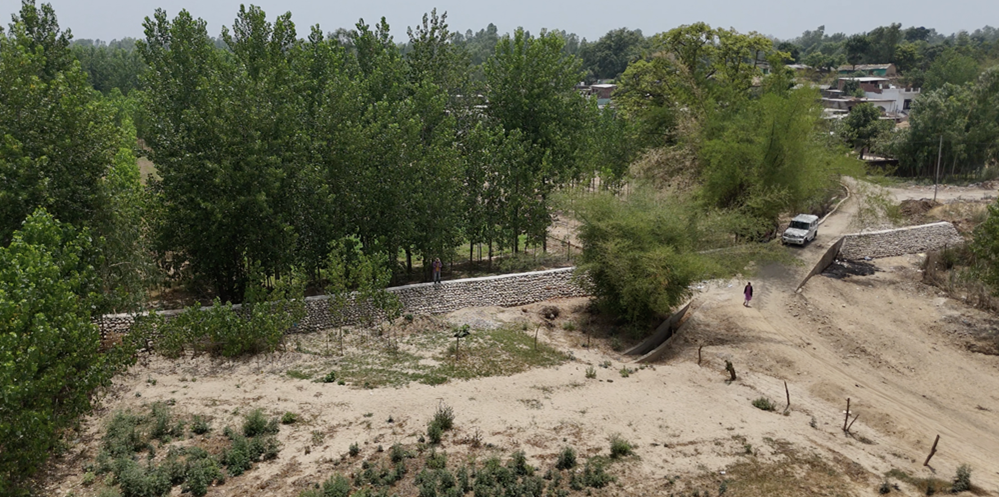
Disaster Management is a very important programme of BAIF. BAIF has instituted a Disaster Management Fund to provide immediate relief measures to families affected by various natural calamities in its operational areas across the country.

BAIF Programmes are now aiming at promotion of impact-oriented social enterprises for furthering their entrepreneurial, environmental and social development growth. This is being aimed at through the establishment of an incubation centre.

Central Research Station
The Central Research Station (CRS) at Uruli Kanchan, Pune spread over 227 hectare, is the Technology Development Centre of BAIF. It supports the field programme through applied research, production of critical inputs and skill development in Livestock Development and Sustainable Agriculture.
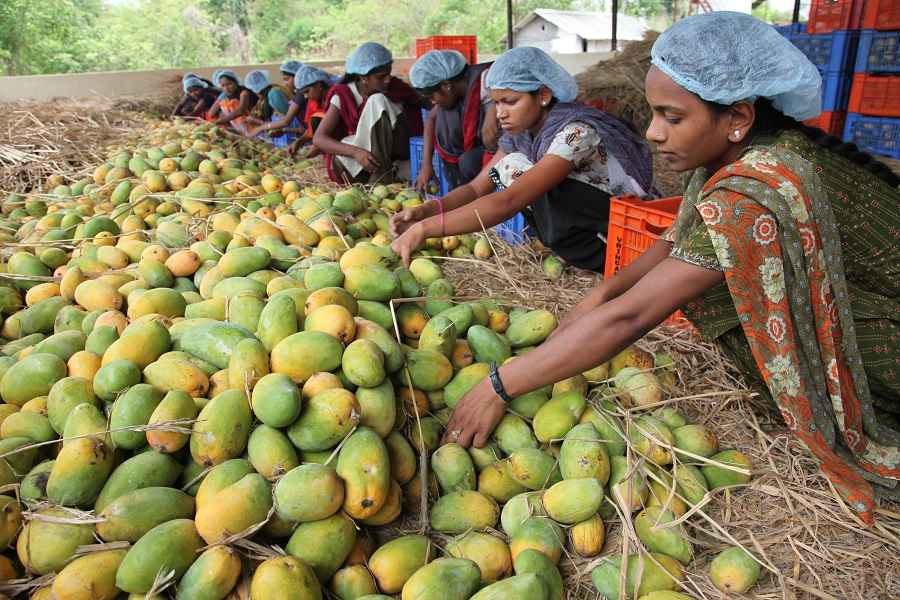
40,000 wadi farmers and 56 producer organisations; In 7 states 51 NABARD-empanelled organisations; 5 cluster-level FPOs; 82 Agri Business Centres; 2 Cattle Breeders Welfare Associations








Significant Events

BAIF signs MoU with CSIR–NCL to strengthen Science in Livestock and Agriculture
BAIF Development Research Foundation and CSIR–National Chemical Laboratory, Pune, signed a MoU to advance research, innovation and technology-led...

When technology reaches the last mile, transformation begins
BAIF is proud to lead the implementation of the RuTAGe Smart Village Centre (RSVC) at Prakasha in Shahada Block, Nandurbar—an important initiative...
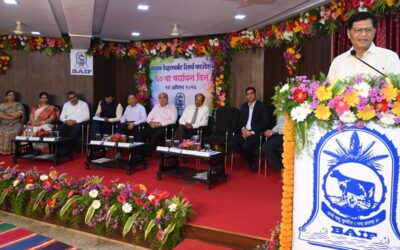
BAIF Enters its Diamond Jubilee Year with a Renewed Vision for Rural Prosperity
Address by Dr. Bharat Kakade, President and Managing Trustee, BAIF Six decades of rural transformation; BAIF charts a new roadmap for Viksit Bharat...
BAIF Vision 2030
The strategy for achieving the goals will be empowerment and skilling of the local people, building social capital and collaborations with national and international science and technology institutions.
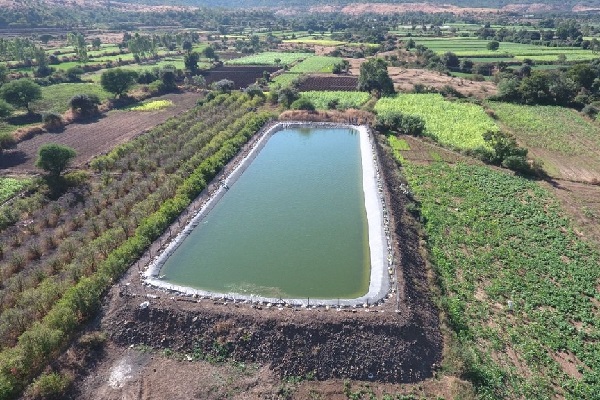
1. Climate Smart and Sustainable Natural Resource Management

2. Climate Smart Agriculture for Rural Livelihoods
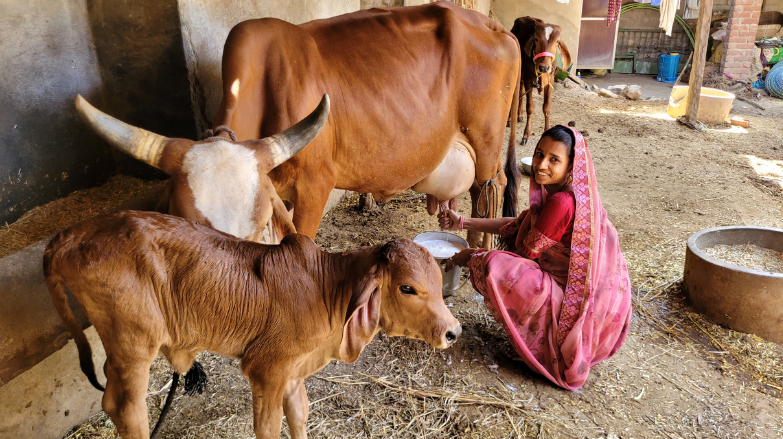
3.Genomic Selection-based Climate Resilient Livestock Management
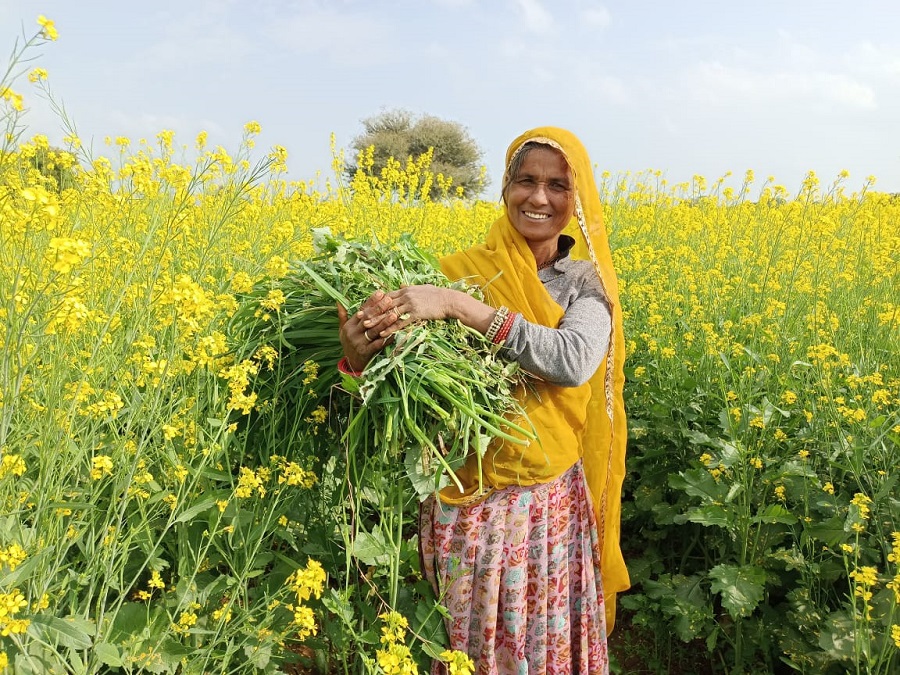
4. Women-centric Development

5. Water, Sanitation and Health

6. Rural Non-Farm Sector Livelihoods
