
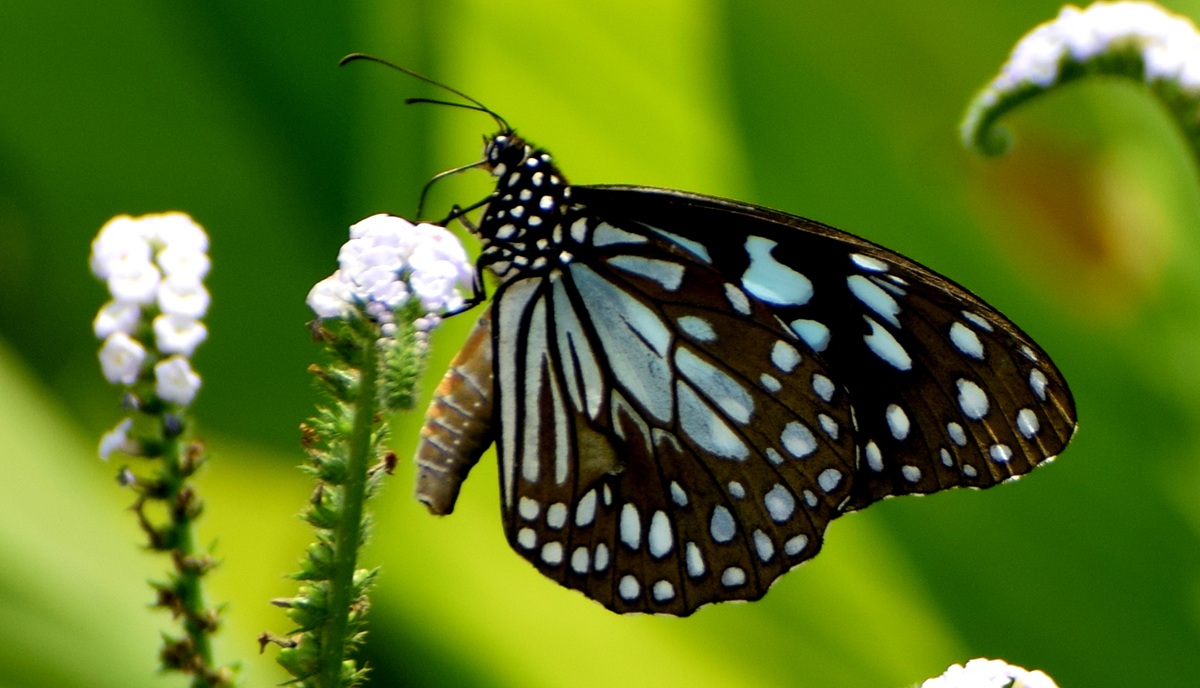
A butterfly resting on a flower may appear to be doing something very ordinary – feeding on nectar, collecting nutrients, or simply moving through the landscape. But sometimes there is much more happening than we can see. For certain butterflies and moths, plants can provide not only food but also chemical resources that become important in defence, communication and reproduction; one fascinating group of compounds involved in these relationships is pyrrolizidine alkaloids (PAs), natural chemicals produced by many plants as part of their defence. Some insects have evolved the ability to locate, acquire and tolerate these compounds, turning a plant’s chemical defence into a useful resource of their own.
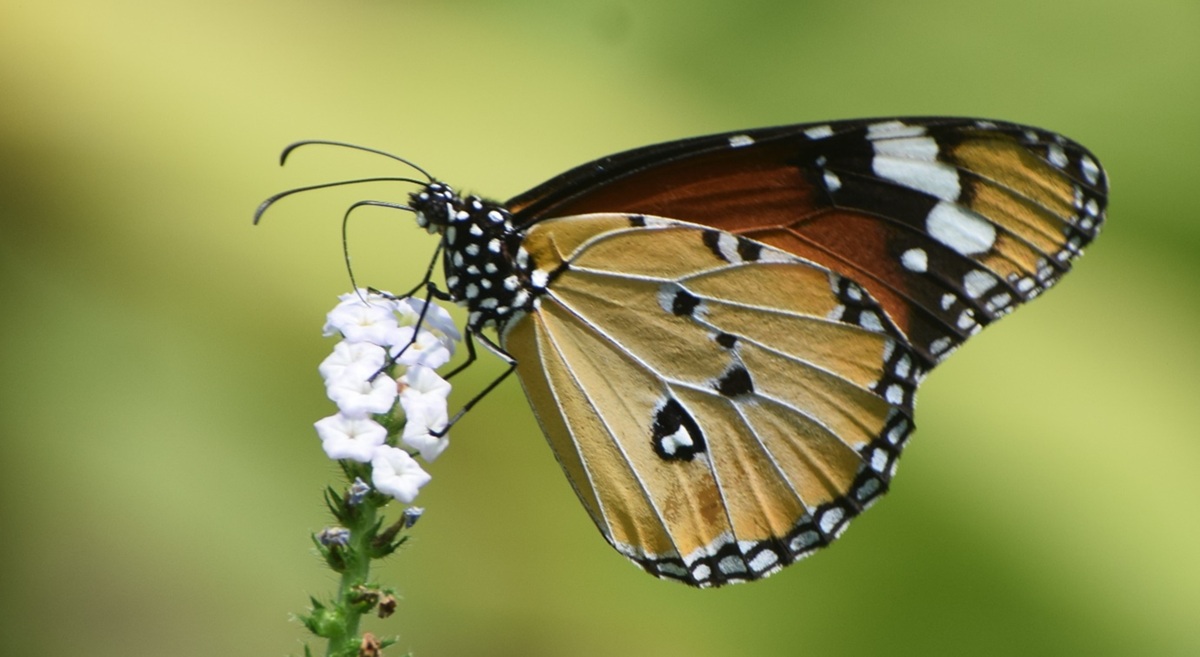
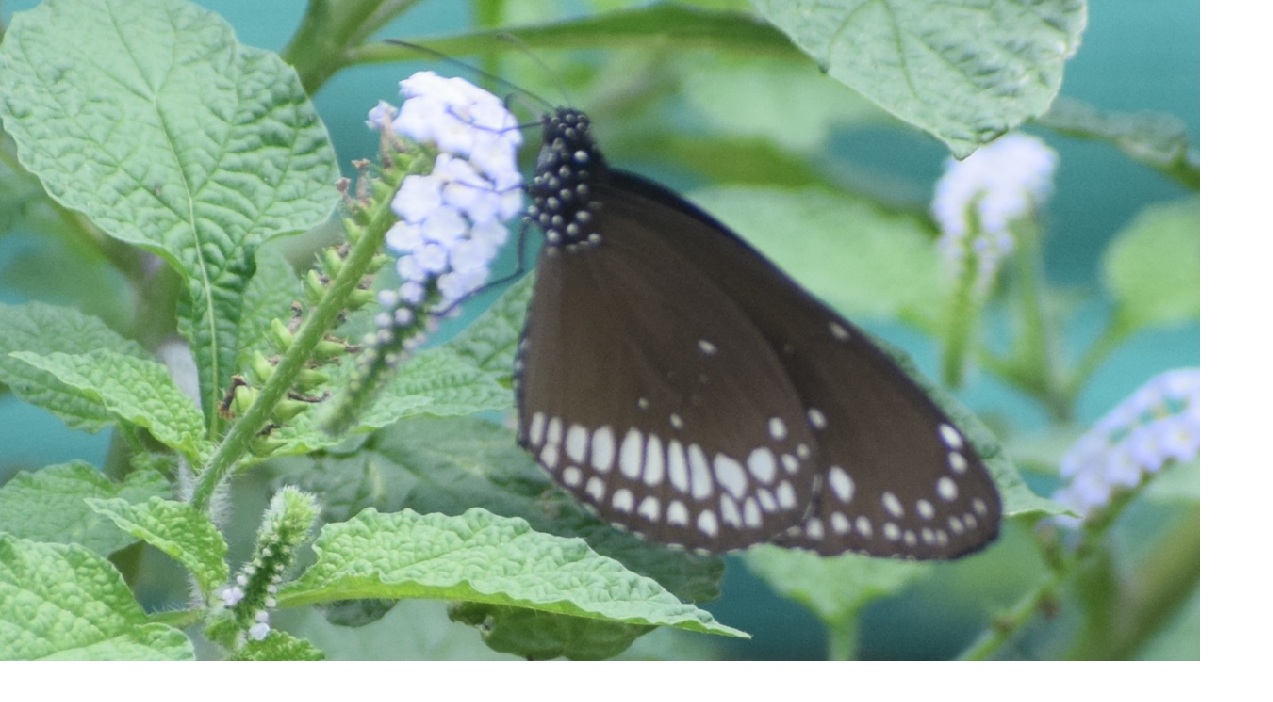
This relationship is particularly interesting among daniade butterflies. Male butterflies such as the Plain Tiger (Danaus chrysippus), Blue Tiger (Tirumala limniace) and Common Crow (Euploea core) may seek out plants containing pyrrolizidine alkaloids. This behaviour, known as pharmacophagy, is different from regular feeding because the insect is seeking a particular chemical resource. After acquisition, the compound may be stored or processed within the insect and become associated with chemical defence and, in some species, as male courtship. Specialised scent structures in males can play an important role in releasing chemical signals during interactions with females. Compounds such as danaidone are associated with the characteristic scent chemistry of danaid butterflies.
The Plain Tiger: When a plant chemical becomes part of the courtship
The Blue Tiger: A similar chemical strategy
The Common Crow: Euploea core – A Chemical specialist in Courtship
The tale becomes even more intriguing with tiger moths such as Utetheisa pulchella. In these insects, the relationship with plant chemistry can begin during the larval stage. A caterpillar feeding on a suitable host plant may acquire pyrrolizidine alkaloids, and some of this chemical resource can remain relevant after metamorphosis. The adult male may then use pyrrolizidine alkaloid-derived chemistry in association with pheromone production and reproductive behaviour. In this way, a decision made by a caterpillar while feeding can potentially have consequences much later in the life of the adult.
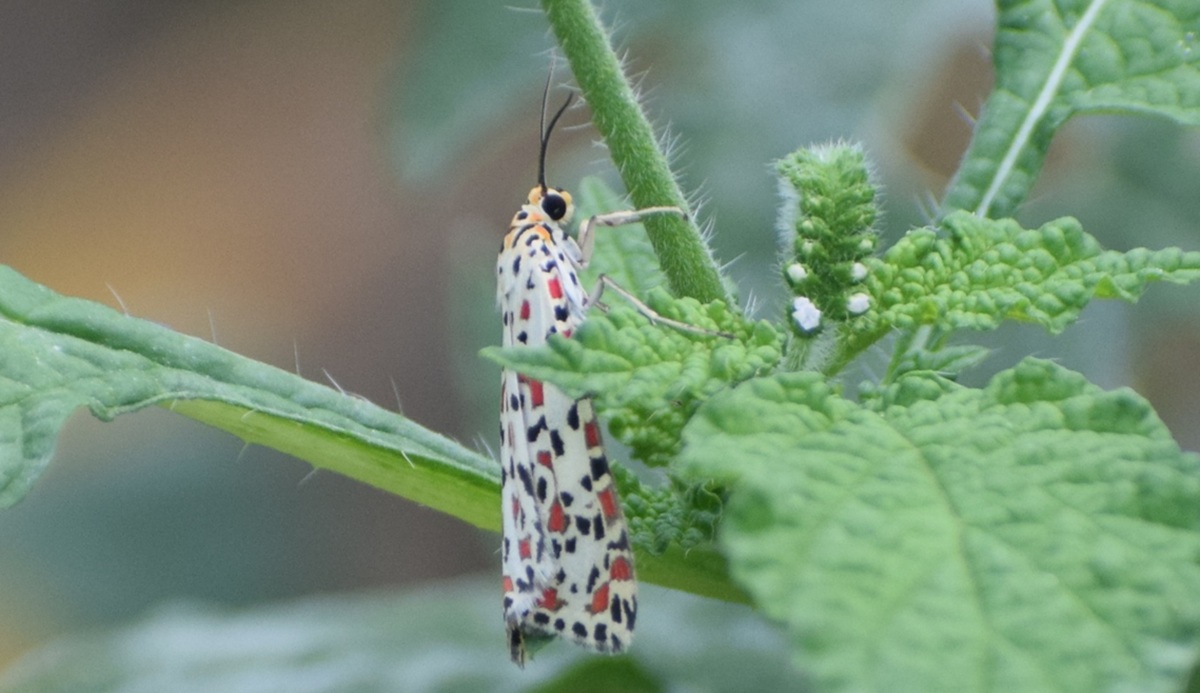
Utethesia pulchella
Heliotropium indicum: More than a nectar source
Plants such as Heliotropium indicum therefore deserve attention beyond their role as sources of nectar. Their chemistry can form part of wider ecological relationships involving insect that use plant-derived compounds. This does not mean that every visit to such a plant has a reproductive purpose; insects may visit plants for several reasons. But in chemically specialised species, a plant encounter can represent an opportunity to acquire something far more valuable than energy.
The connection sometimes extends into mating itself. In some butterflies and moths, males transfer substances to females during copulation as part of a nuptial gift associated with the spermatophore such as a compound originating, storage or processing, male chemical communication and potentially reproductive transfer.
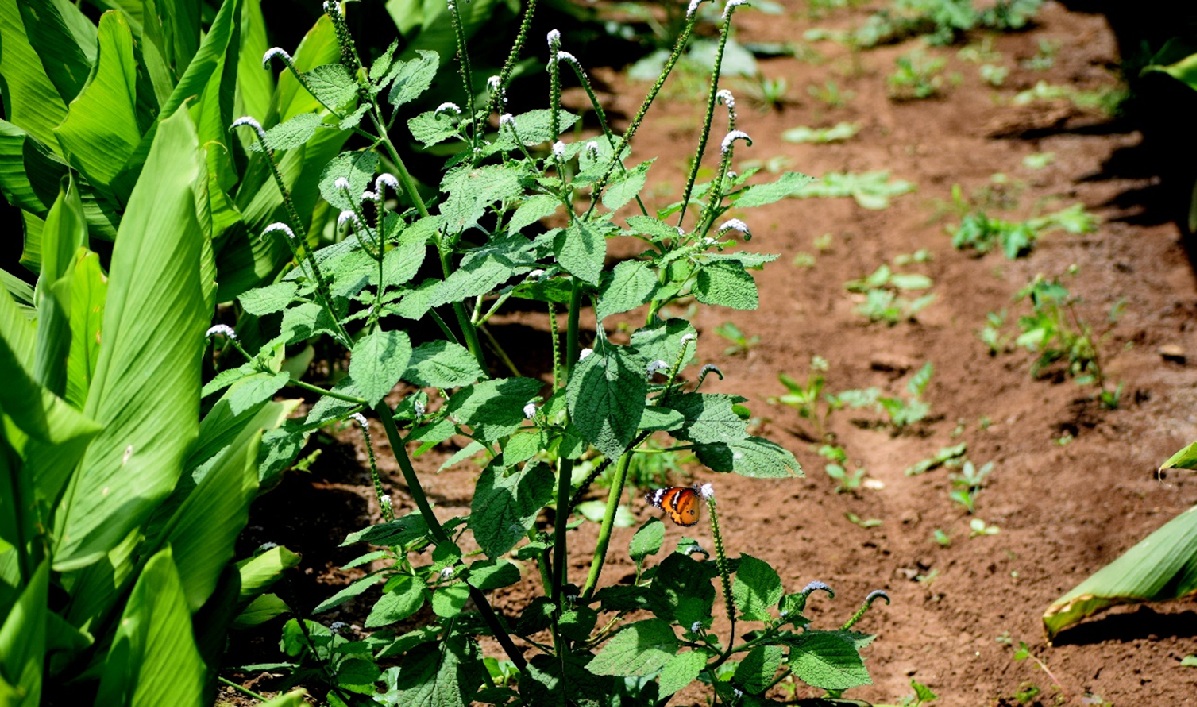
Heliotropium indicum
This hidden movement of chemistry gives us another way to look at butterflies and moths. A plant is not always simply a place to feed, and a male visiting a flower is not necessarily just collecting nectar. Beneath these visible behaviours, chemical resources may be moving quietly between plants and insects, linking plant defence, insect adaptation, courtship and reproduction in a remarkably intricate ecological relationship.
Co-authors: Dr. Vithal Kauthale, Dr. Sadashiv Nimbalkar, Dr. Deepak Patil, Mr. Kailash Gavhane, Mr. Sushant Khot

Vinod Borse
Associate Thematic Programme Executive (Agroecology)
BAIF Central Research Station, Uruli Kanchan, Pune
0 Comments