
BAIF at COP31, Antalya, Türkiye
Championing Local Solutions for Global Climate Action
BAIF Development Research Foundation, an India-based development organisation with nearly six decades of experience in rural development, sustainable livelihoods, and environmental stewardship, will engage with global stakeholders at the 31st Conference of the Parties (COP31) to the United Nations Framework Convention on Climate Change (UNFCCC), scheduled from 9 to 20 November 2026 in Antalya, Türkiye.
As a UNFCCC-accredited Observer Organisation, BAIF seeks to strengthen global partnerships and advance community-driven, science-based solutions which address climate change while improving rural livelihoods. With knowledge exchange, thematic dialogues, collaborative events, and engagement with research institutions, development agencies, governments, and climate-focused organisations, BAIF aims to showcase and develop scalable approaches to climate resilience, emissions reduction, ecosystem restoration, and sustainable rural development.
BAIF’s Climate-Resilient Development Model
Established in 1967, BAIF integrates scientific research, field-level implementation, community participation, and institutional partnerships to develop sustainable livelihood models. Its programmes span livestock-based livelihoods, climate-smart agriculture, agroforestry, watershed development, soil health management, biodiversity conservation, renewable energy, and rural enterprise development.
BAIF’s current programme reporting highlights its extensive field presence, including farm-based livelihood interventions across approximately 97,600 hectares and carbon sequestration achievements of 2.24 million tonnes under its farm-based livelihoods programme. Its livestock-based livelihood initiatives also contribute to improved livestock productivity and reduced methane emissions by 15 to 20%.
Key Areas of Climate Action
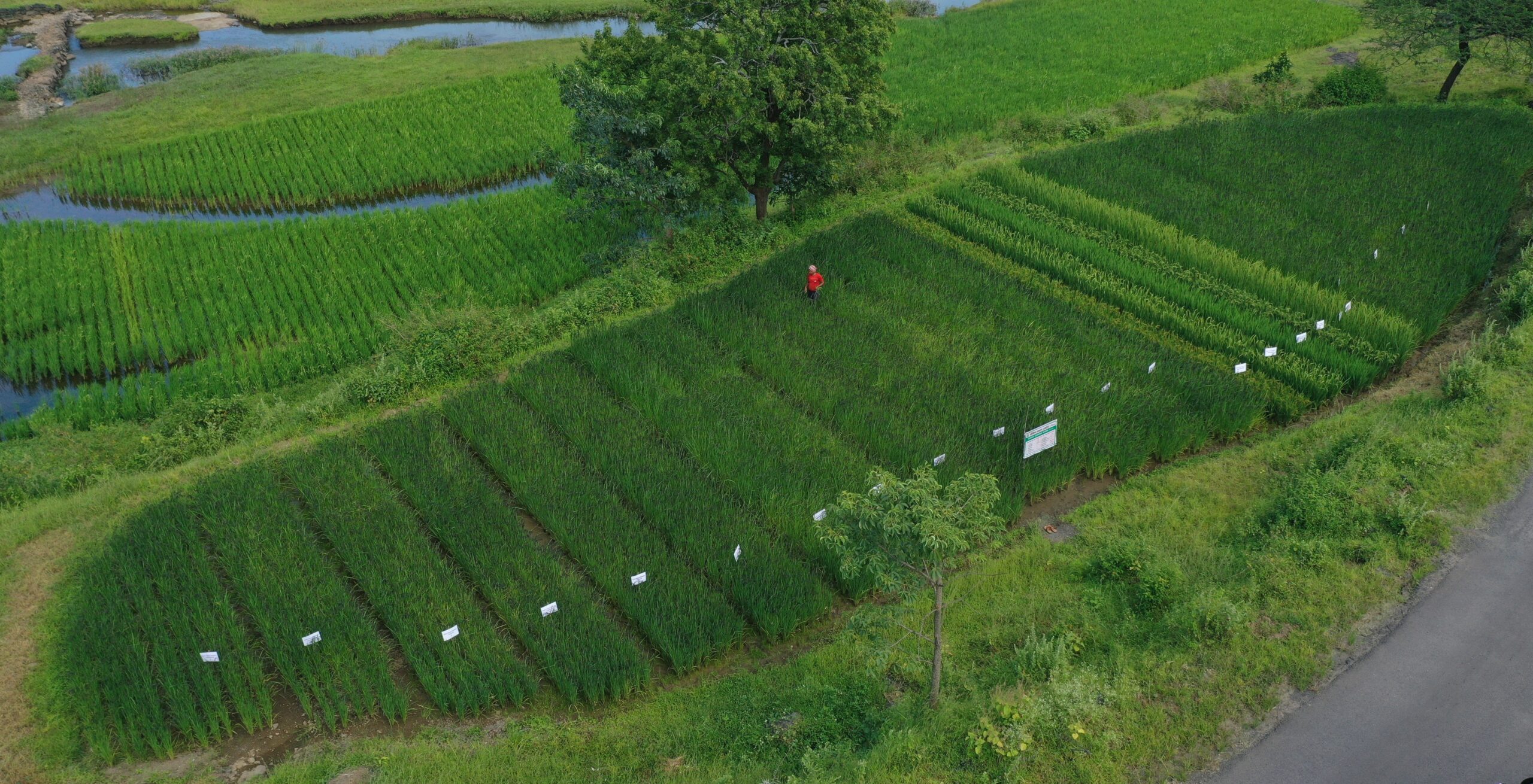
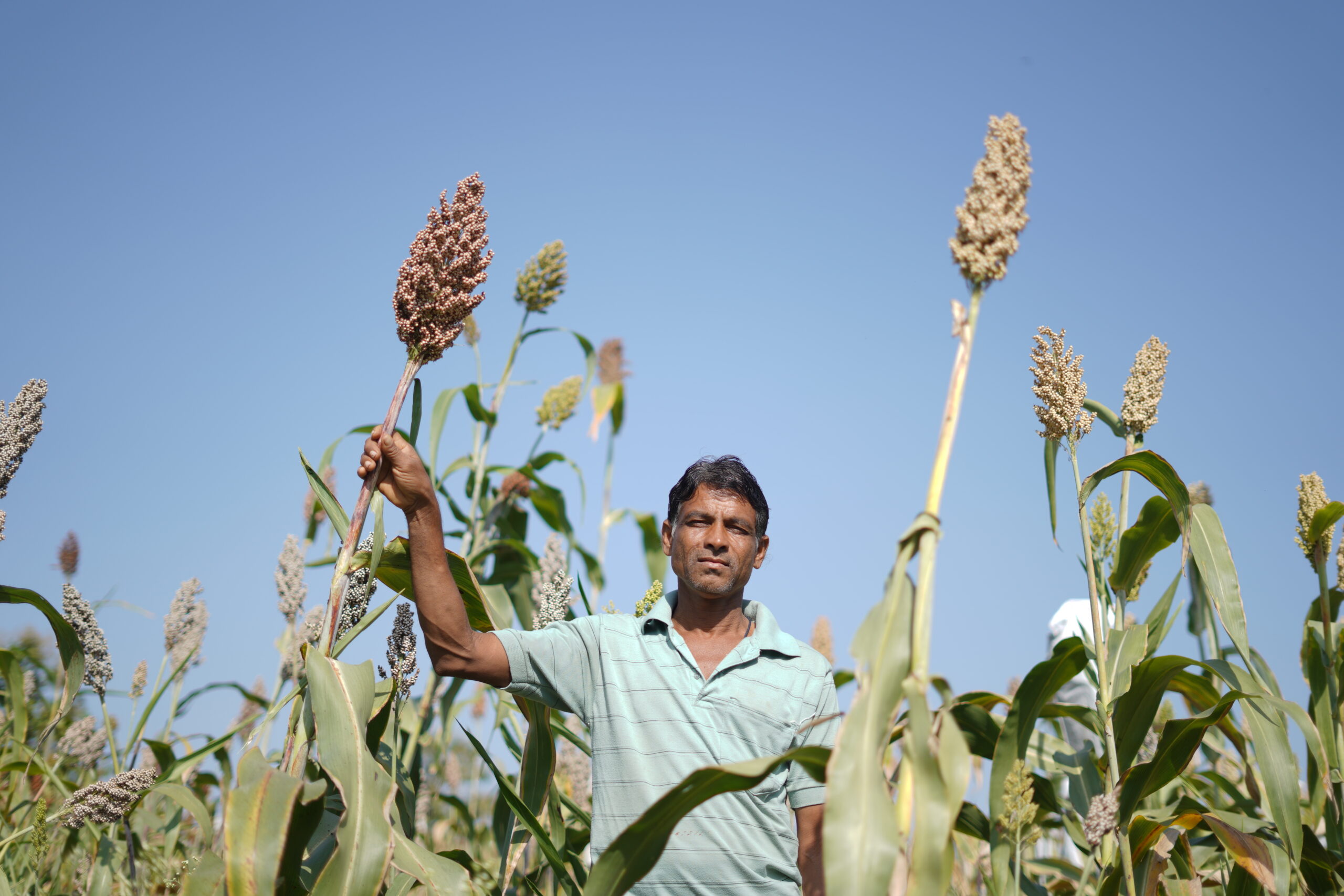
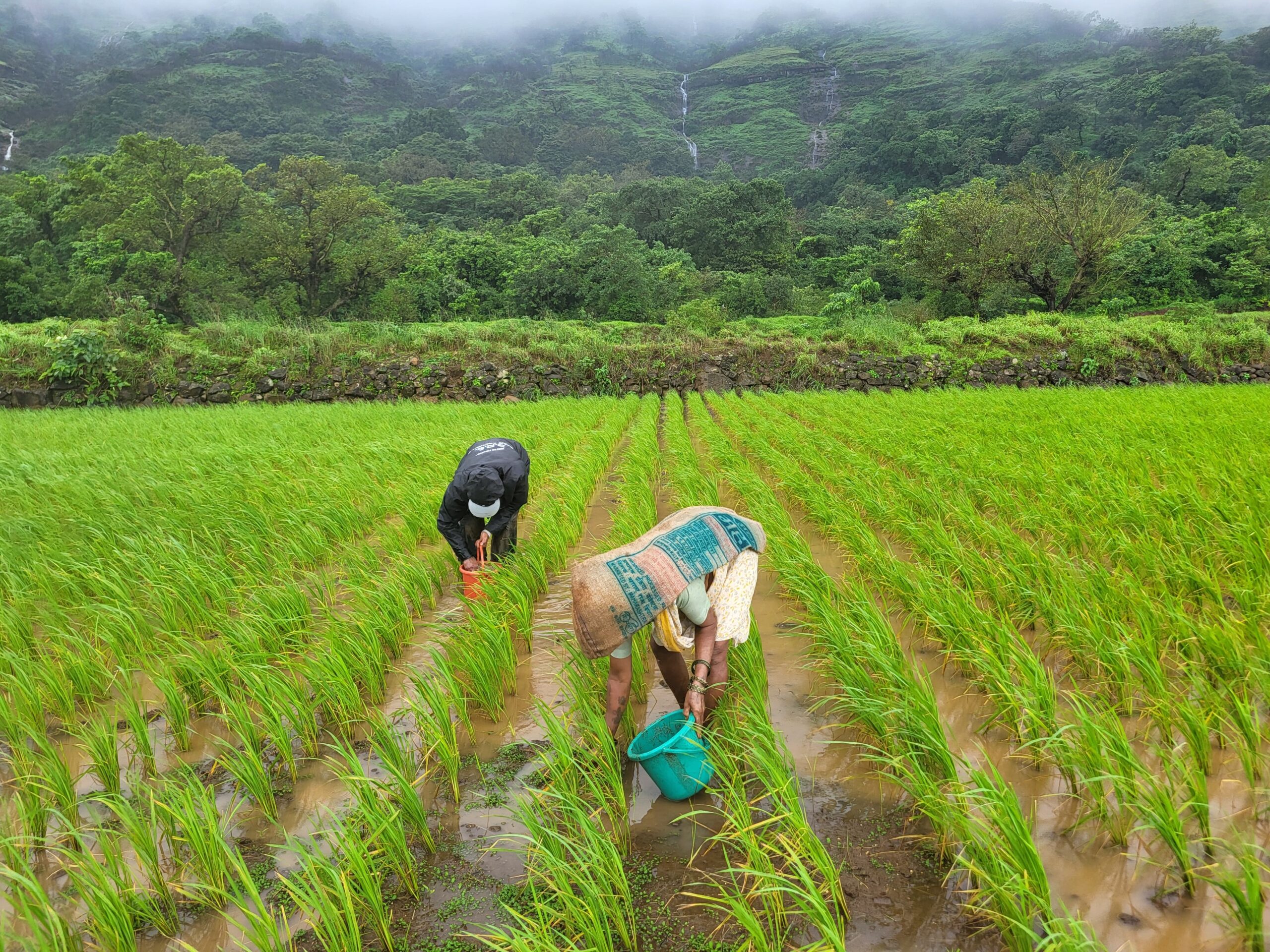
1. Climate-Smart Agriculture and Soil Health: Promoting regenerative agricultural practices, biochar, biofertilisers, organic manures, crop diversification, efficient nutrient management, and climate-resilient farming systems to improve soil health, enhance productivity, reduce dependence on external inputs, and strengthen farmers’ resilience to climate variability.
2. Livestock Management for Methane Mitigation and Reduced Environmental Footprint: Improving livestock productivity through scientific breeding, improved animal nutrition, feed management, and appropriate monitoring approaches to support lower emission intensity, better animal health, and sustainable livestock-based livelihoods.
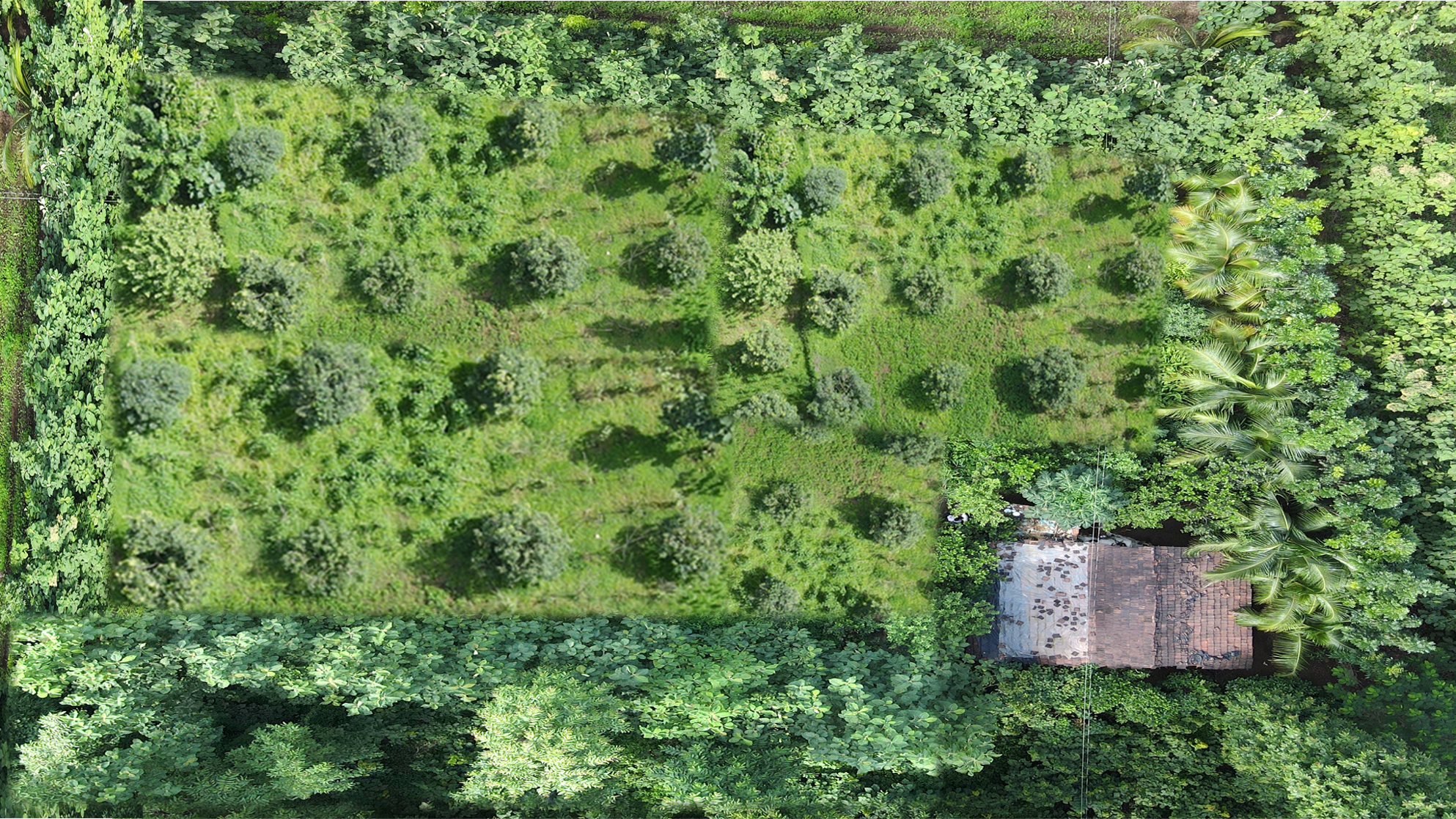
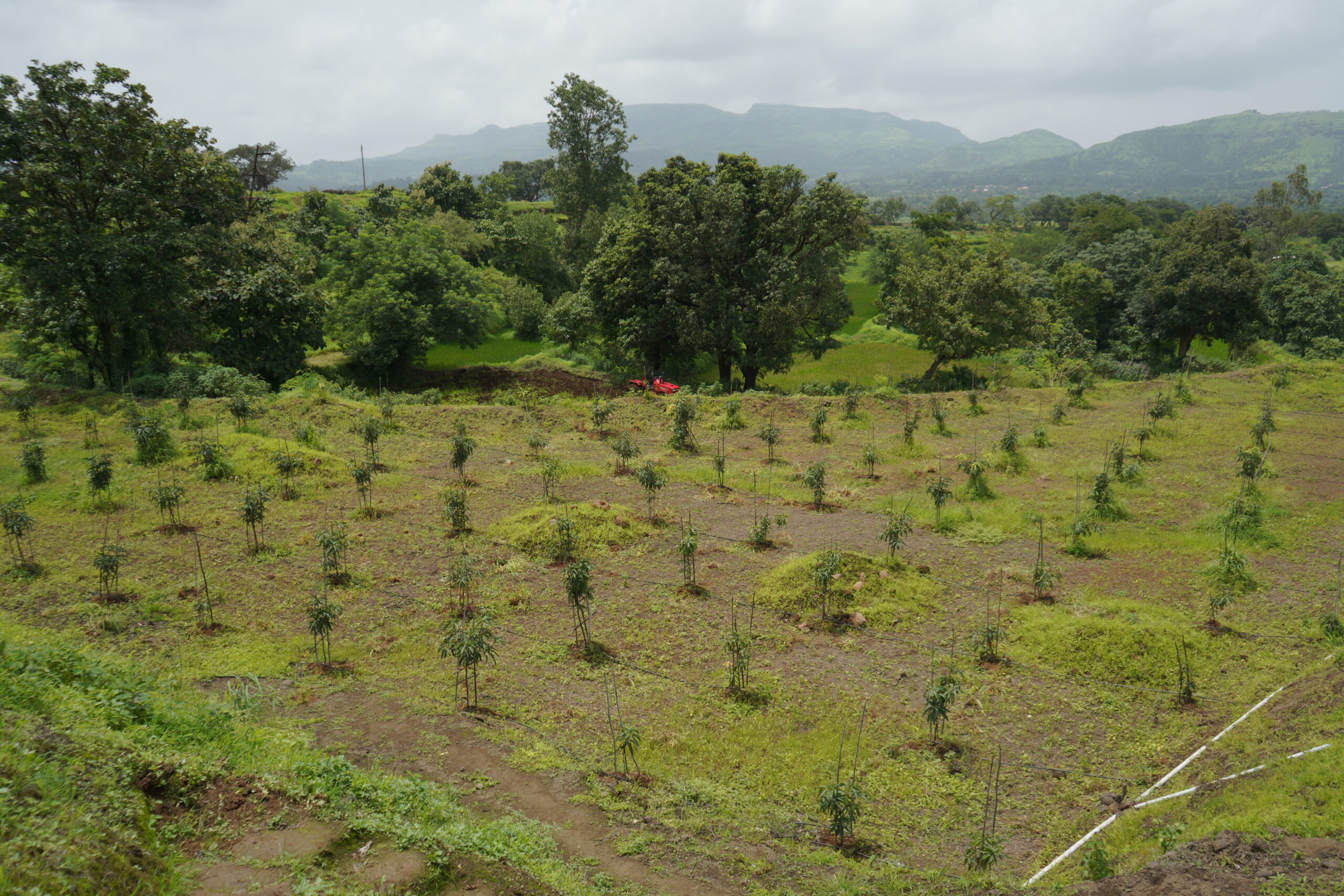
3. Agroforestry, Carbon Sequestration and Biodiversity: Scaling up tree-based farming systems, including BAIF’s Wadi model, alongside grassland restoration, native tree plantations, and nature-based interventions. These approaches support carbon sequestration, biodiversity conservation, microclimate improvement, and diversified income opportunities for rural households.
4. Water-centric livelihoods and Land Degradation Neutrality: Promoting integrated watershed management, rainwater harvesting, groundwater recharge, soil and water conservation, and sustainable land management to restore degraded landscapes, improve water security, and strengthen community resilience to droughts and other climate-related risks.
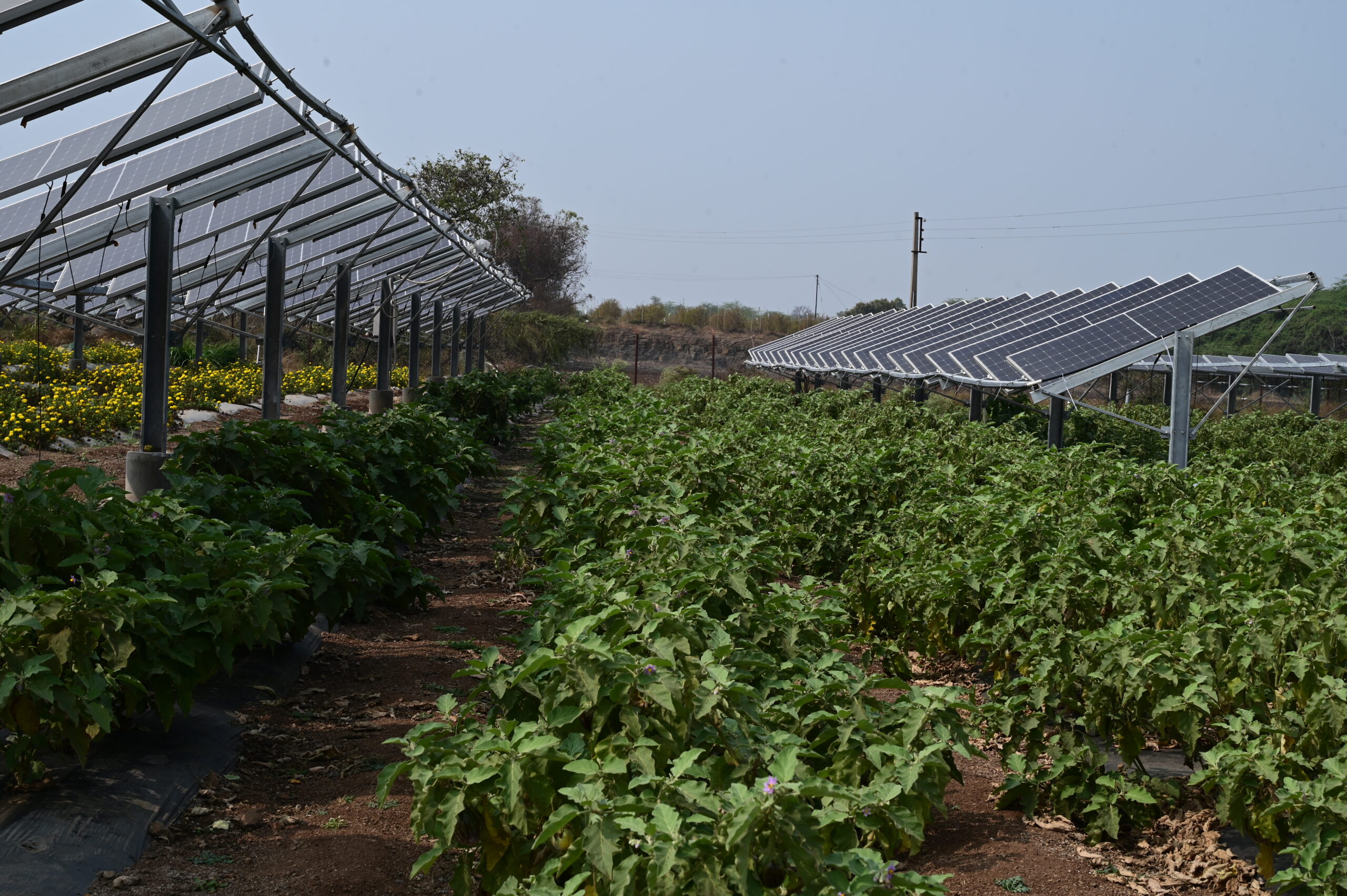
5. Renewable Energy and Circular Bioeconomy: Advancing decentralised renewable energy solutions, household biogas, efficient biomass utilisation, and recycling of agricultural and livestock waste into useful energy and organic soil amendments. These interventions support cleaner energy access, resource efficiency, and reduced greenhouse gas emissions.
6. Climate Research, Innovation and Technology Transfer: Strengthening applied research, technology validation, digital solutions, and collaborations with scientific institutions and innovation networks to develop practical, cost-effective technologies that can be adapted and scaled across diverse agro-climatic regions.
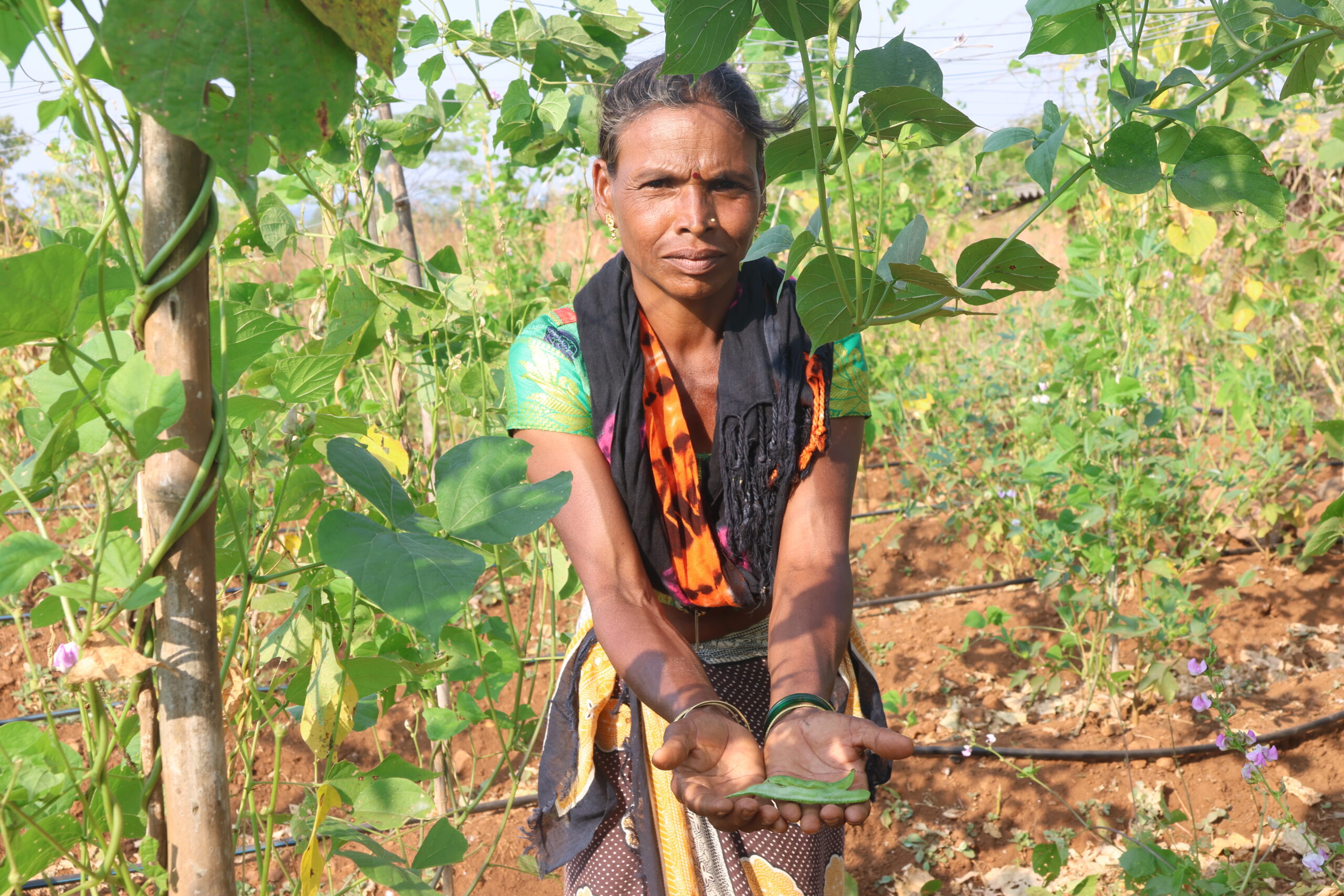
7. Community-centred and Inclusive Climate Action: Engaging farmers, tribal communities, women, rural entrepreneurs, and young innovators in planning and implementing climate solutions. BAIF’s participatory approach connects environmental restoration and climate resilience with livelihood security, local knowledge, and inclusive rural development.
These initiatives contribute to the broader objectives of the Paris Agreement and India’s climate commitments by connecting mitigation, adaptation, sustainable agriculture, ecosystem restoration, and rural development.
Towards Global-Local Partnerships
At COP31, BAIF aims to strengthen the connection between local climate action and global climate priorities. Its engagement will focus on sharing field-based evidence, highlighting innovative approaches, and facilitating collaboration among research institutions, governments, international development agencies, civil society organisations, private-sector partners, and climate technology networks.
BAIF welcomes opportunities for joint research, knowledge exchange, technical cooperation, climate finance, technology demonstration, and the scaling up of community-led solutions. By connecting scientific evidence with local experience and institutional partnerships, BAIF seeks to advance practical climate solutions which deliver measurable environmental and livelihood benefits.
Local Solutions for Global Climate Action reflects BAIF’s commitment to building climate-resilient communities, restoring ecosystems, reducing emissions, and promoting sustainable livelihoods.
Connect with BAIF at COP31
For collaboration opportunities, partnerships, side events, and media-related enquiries, please contact:
| Email:unfccc.cop@baif.org.in | Website: www.baif.org.in |
BAIF Participation
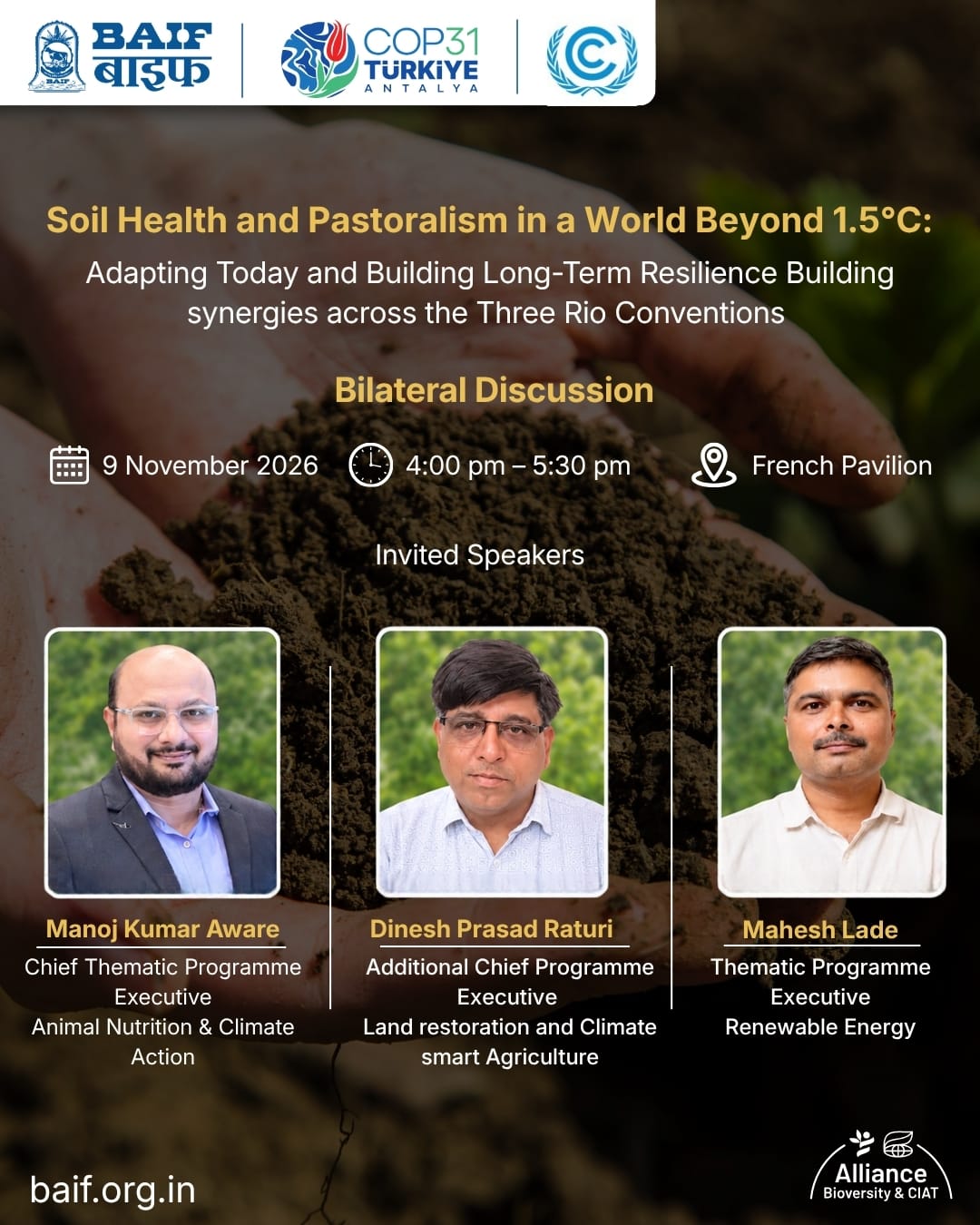
Soil Health and Pastoralism in a World Beyond 1.5°C: Adapting Today and Building Long-Term Resilience Building synergies across the Three Rio Conventions
4 PM to 5.30 PM
French Pavilion
Bilateral Discussion
11.30 AM to 12.30 PM
COP-31 pavilion at Antalya, Turkiye
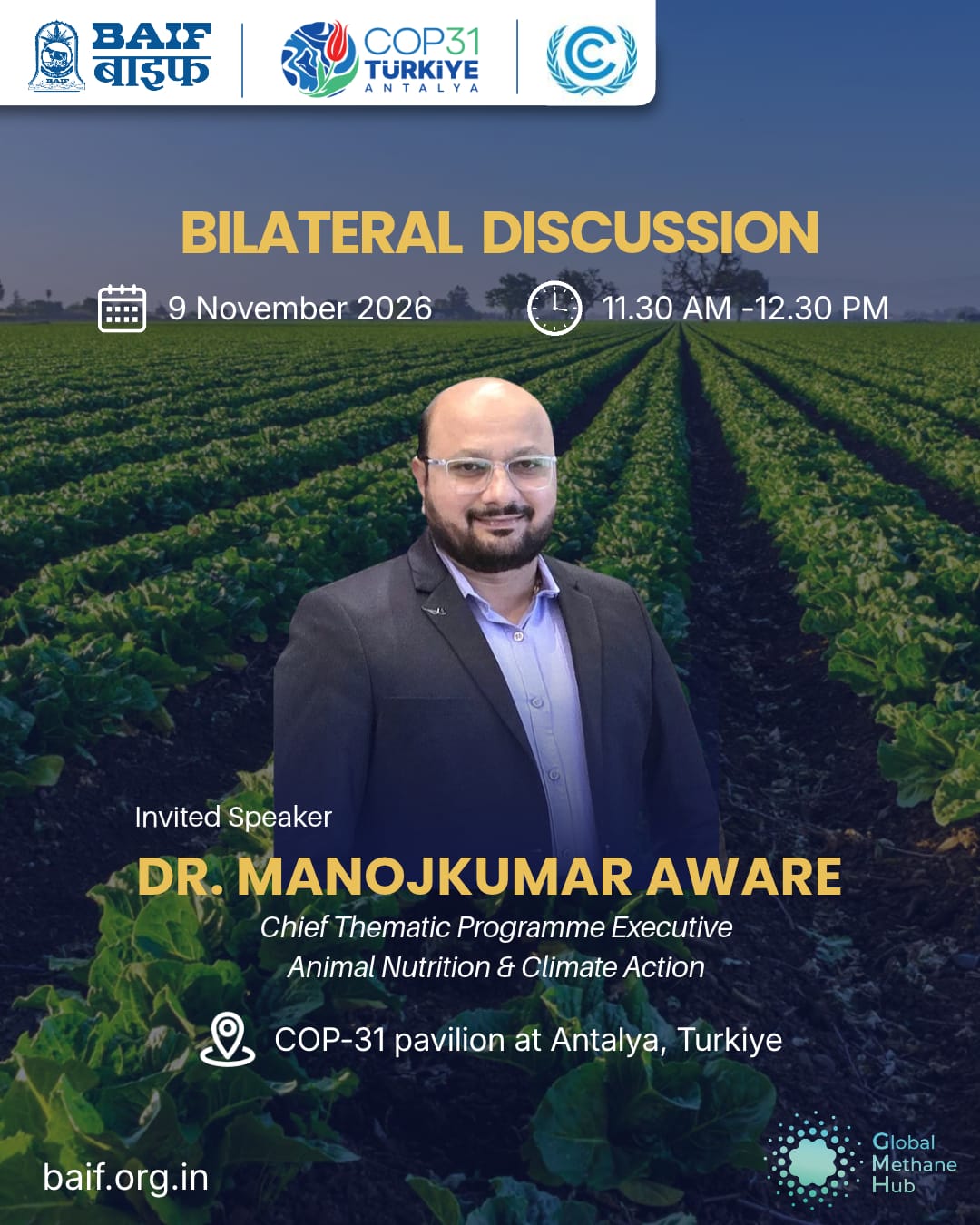
Bilateral Discussion at Blue Zone
1.00 PM to 1.45 PM
FAO/CGIAR Pavillion, Antalya, Turkiye
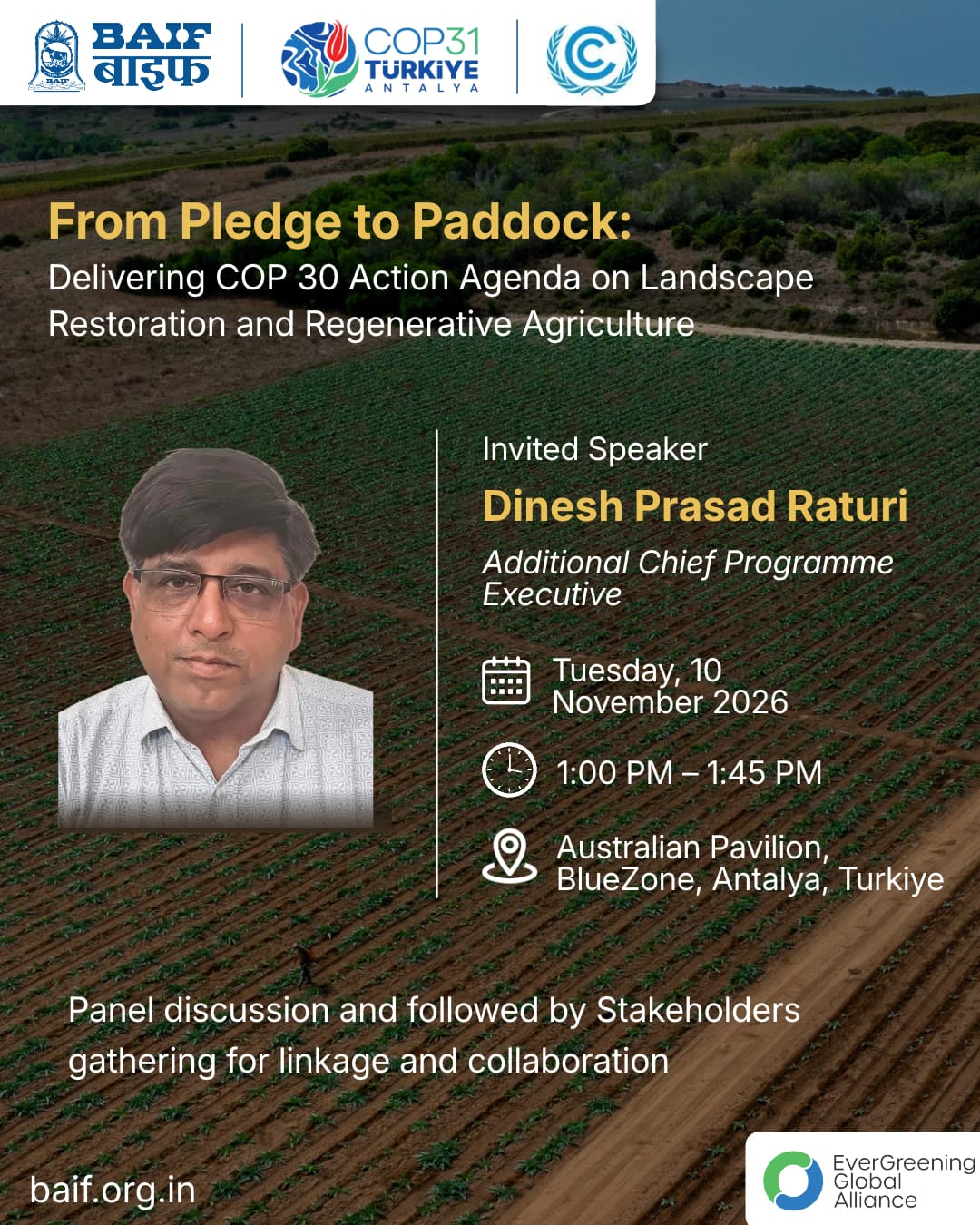
From Pledge to Paddock: Delivering COP 30 Action Agenda on Landscape Restoration and Regenerative Agriculture
1:00 PM – 1:45 PM
Australian Pavilion, Blue Zone, Antalya, Turkiye
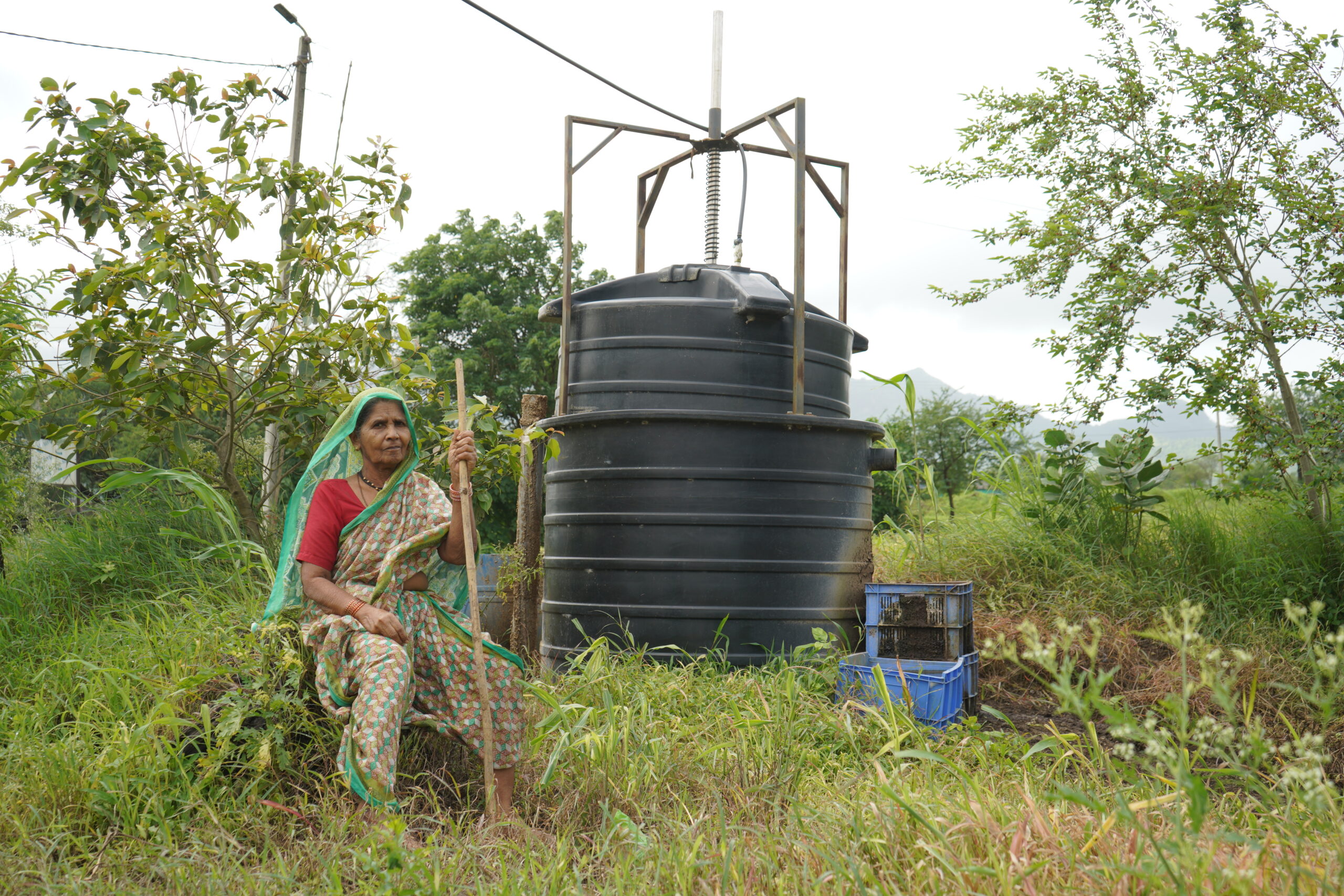
Modern Bioenergy for Energy Access and Energy Security: From Local Solutions to Global Impact
10:30 AM– 11:00 AM
Press Conference room 2, Area D4, Room Yunus Emre
Press Conference
12 PM to 12.45 PM
COP 31 Resilience hub
Innovating with farmers to accelerate climate action, in Morocco and the Mediterranean
11:00 AM to 12:30 PM
Morocco Pavilion
Bilateral Discussion at Blue Zone
3.00 PM
Food and Agriculture Pavilion, Antalya, Turkiye
Resources
Member Delegation

Manoj Kumar Aware
Chief Thematic Programme Executive
Animal Nutrition & Climate Action
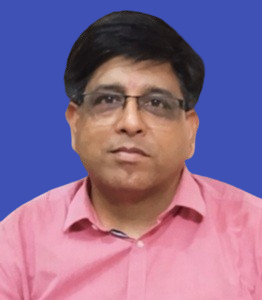
Dinesh Prasad
Additional Chief Programme Executive
Land restoration and Climate smart Agriculture
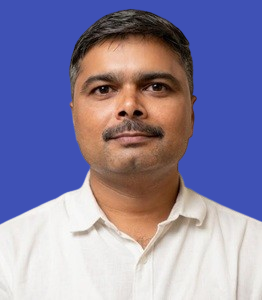
Mahesh Lade
Thematic Programme Executive
Renewable Energy