
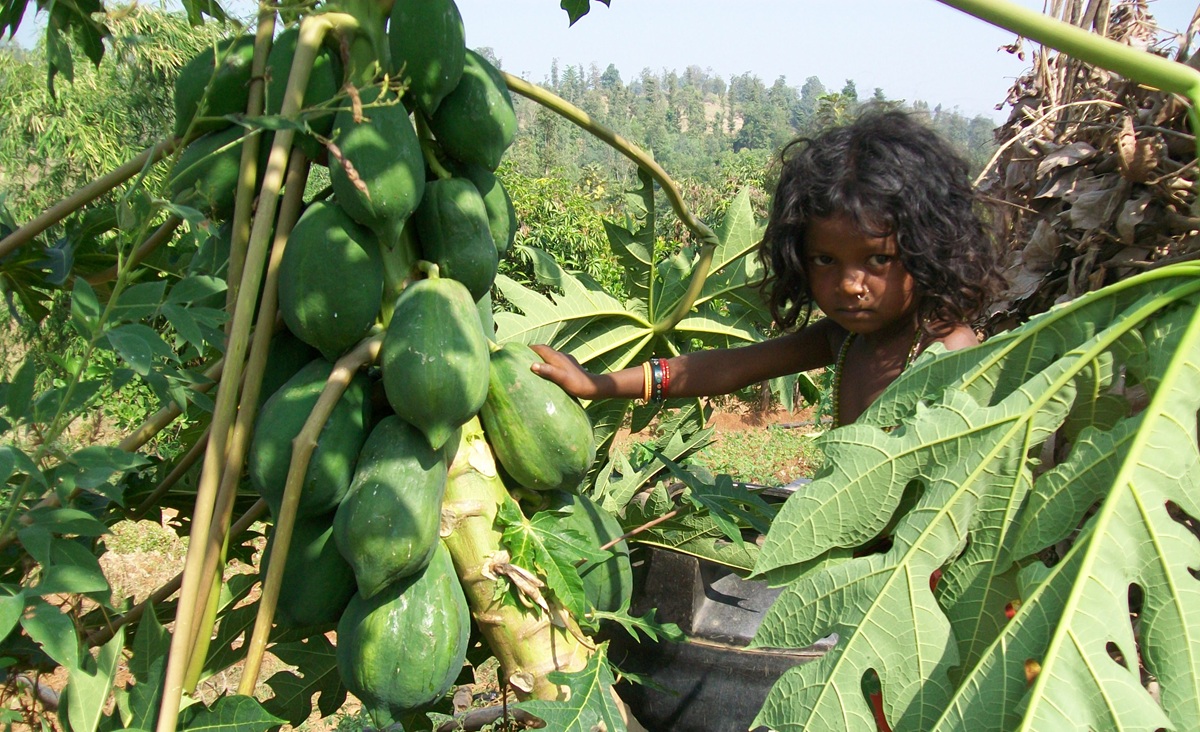
Repositioning food security in a changing world
Despite significant advances in agricultural science, technology and food production, hunger and multidimensional poverty remain major global development challenges. The FAO’s State of Food Security and Nutrition in the World 2025 estimates that 673 million people experienced hunger in 2024, while 2.3 billion faced moderate or severe food insecurity. An estimated 2.6 billion people could not afford a healthy diet.
Approximately, 13% of food is lost between harvest and retail, while another 19% is wasted at consumer and retail levels. Agrifood systems also contribute substantially to global greenhouse gas emissions.
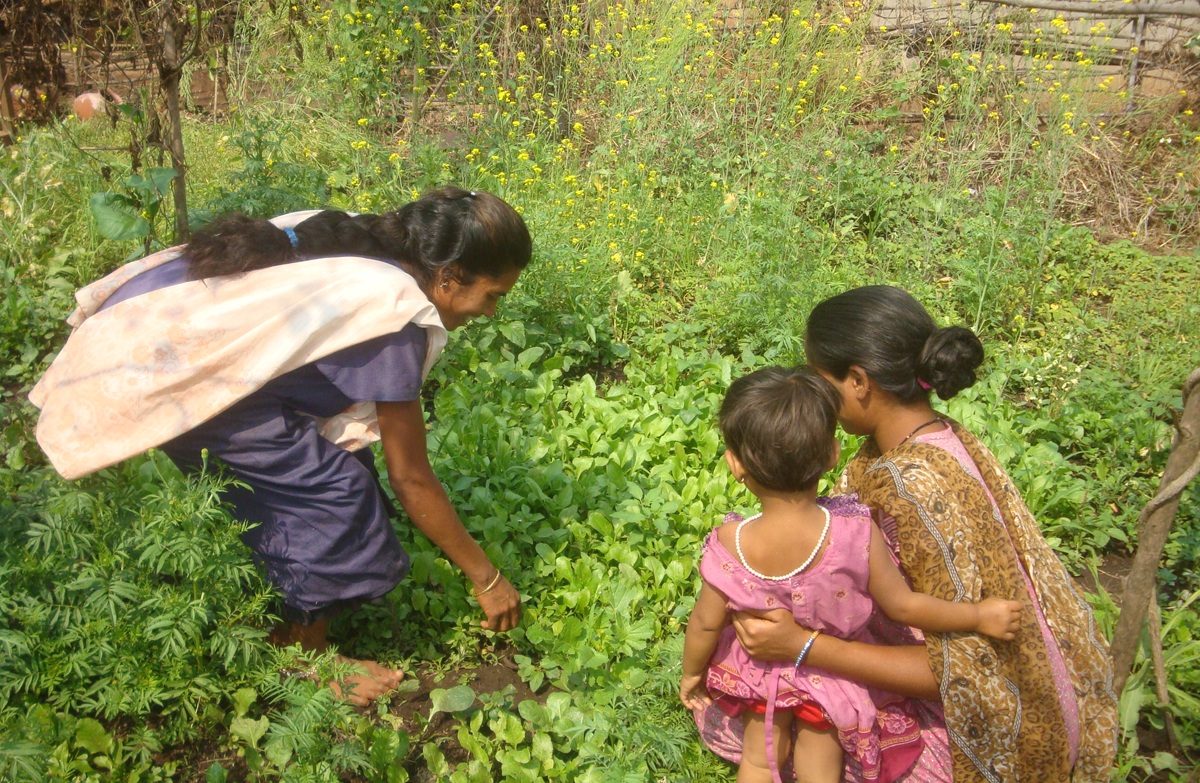
Integrating economic and ecological well-being
Experience from India and other countries of the Global South demonstrates that smallholder farmers often face constraints relating to fragmented landholdings, rising input costs, inadequate storage, limited access to markets and increasing climatic uncertainty. Similarly, food availability at household level does not automatically ensure dietary diversity or nutritional security.
The development response must therefore adopt an integrated, end-to-end food-systems perspective, connecting production, post-harvest management, processing, storage, value addition, distribution and consumption. Equally important is the integration of agriculture with water management, biodiversity conservation, livestock development, renewable energy and rural enterprises.
Lessons from grassroots development in India
At BAIF Development Research Foundation, the Wadi model, combines horticulture, forestry, food crops, livestock and soil and water conservation to transform marginal and degraded lands into productive livelihood assets. It contributes to household nutrition, income diversification, ecological restoration and long-term livelihood security. The experience illustrates how agricultural development and ecosystem restoration can generate complementary benefits when supported by appropriate technical knowledge, community participation and institutional convergence.
Agrobiodiversity conservation offers another important dimension. Conservation of indigenous varieties, community seed systems, participatory varietal selection and integration of traditional crops into farming systems can strengthen resilience while improving dietary diversity. Scientific research and farmers’ traditional knowledge need to complement each other in developing locally adapted solutions.
Women play a critical role in crop production, livestock management, seed conservation and household nutrition, yet continue to face constraints in accessing productive resources, finance, technology and markets. India’s experience with self-help groups and women’s collectives demonstrates the potential of collective institutions in strengthening financial inclusion, enterprise development and decision-making. Their contribution to food and livelihood security must be recognised through greater economic agency and institutional participation.
From research and policy to effective implementation
An important challenge in development is the gap between research knowledge, policy formulation and field-level implementation. The relationship between Praxis, Policies and Practice is therefore critical. Community experience should inform research priorities and policy frameworks; policies should enable effective implementation; and field-level evidence should continuously influence future investments and programme design.
The complexity of food-system transformation also necessitates stronger partnerships. Governments, agricultural universities, research institutions, civil society organisations, farmer collectives and private-sector partners each bring complementary capabilities. Public–Private Partnerships, supported by appropriate institutional safeguards and community ownership, can facilitate access to technology, finance, infrastructure, processing facilities and markets. Equally important is the availability of long-term, flexible finance for landscape restoration, livelihood diversification and institutional strengthening, where outcomes often emerge over several years.
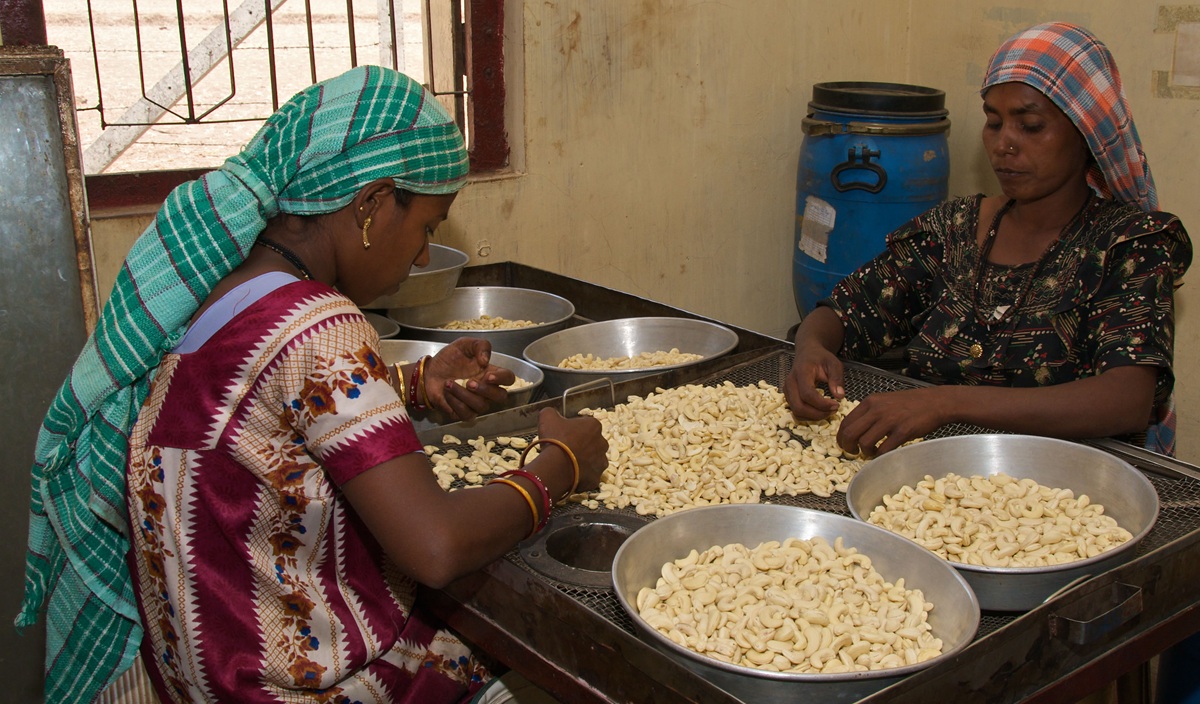
The Global Alliance: An opportunity for collective learning
The Global Alliance Against Hunger and Poverty, creates opportunities for countries, knowledge institutions and development partners to exchange experiences and strengthen approaches that address hunger and poverty together.
Four interconnected areas merit particular attention: facilitating South–South knowledge exchange; connecting policy commitments with locally validated solutions; mobilising long-term and blended finance; and assessing outcomes through improvements in household income, nutrition, women’s agency, ecosystem health and climate resilience.
The Alliance also offers an opportunity to recognise grassroots organisations and farming communities as important contributors to development knowledge.
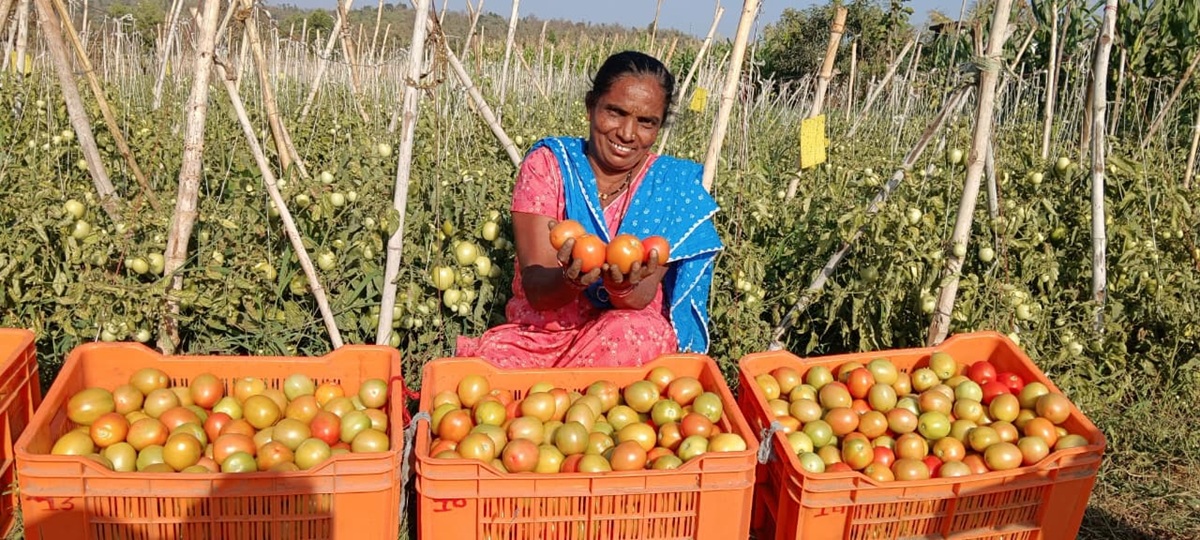
Towards a more resilient development pathway
The relationship between SDG 1 (No Poverty) and SDG 2 (Zero Hunger) is fundamental to sustainable development. Neither can be achieved independently of healthy ecosystems, productive natural resources, equitable institutions and resilient livelihoods.
Ultimately, the success of global commitments will be reflected in the capacity of farming households to withstand climatic shocks, access nutritious food, improve their incomes and sustain the natural resource base. It will also depend on whether women have greater control over productive resources and whether rural institutions can create opportunities for future generations.
As the Global Alliance completes two years, the opportunity is to strengthen the connection between scientific knowledge, enabling policies, institutional partnerships and community-led action. A hunger-free and poverty-free world will require not merely higher agricultural production, but more productive, inclusive, nutrition-sensitive and ecologically sustainable food systems. The true measure of progress will be the improvement in the quality of life of rural communities, alongside the health and resilience of the ecosystems that sustain them.
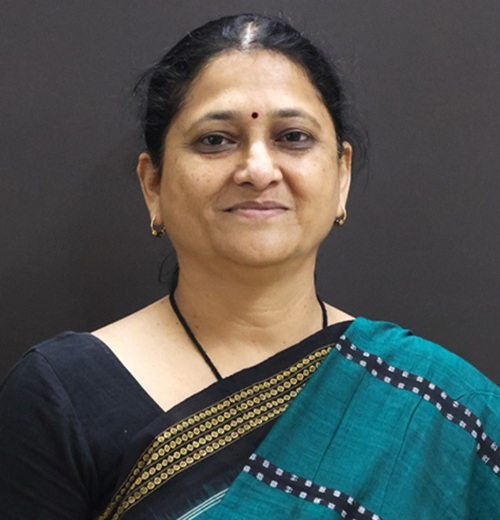
Dr. Rajashree Joshi
Vice President
BAIF Development Research Foundation, India
0 Comments