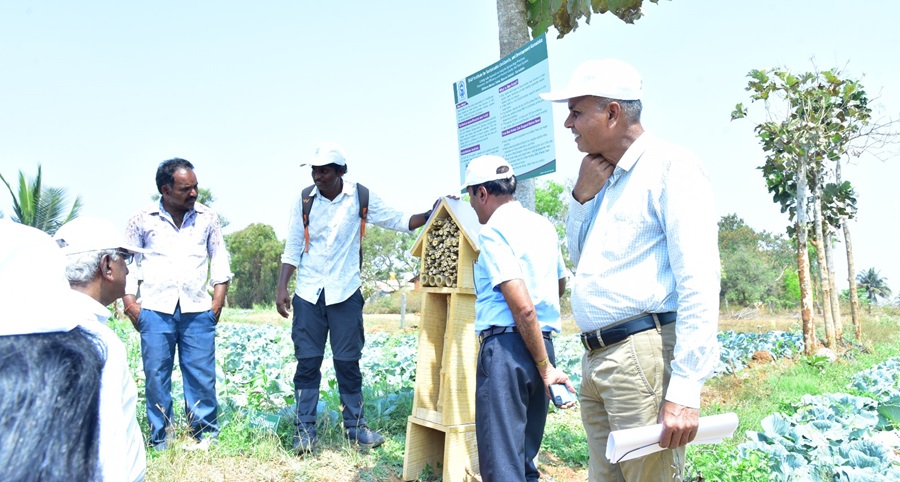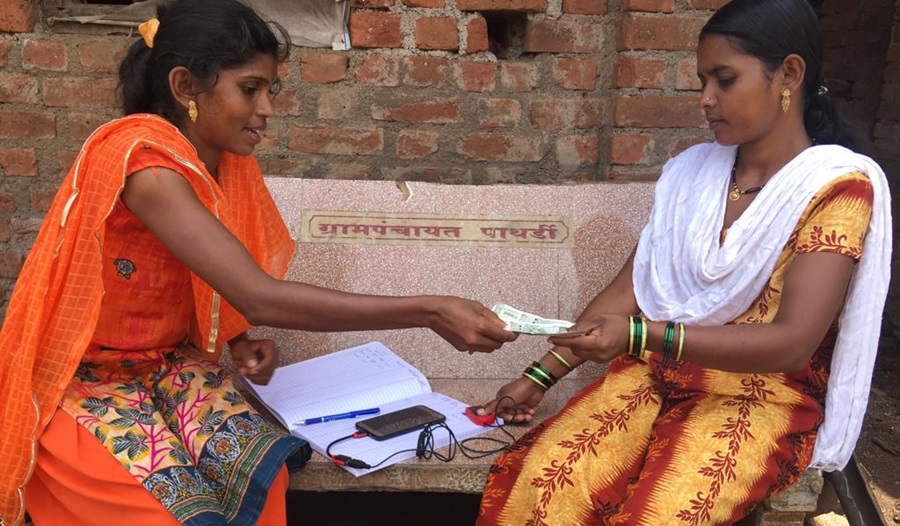
Gir Cow – The Heart of Gujarat:  Conservation Efforts of BAIF

Gir Cow – The Heart of Gujarat: Conservation Efforts of BAIF

Ms. Tejashree Shirsath-Kalbhor
Feb 22, 2024
Ms. Tejashree Shirsath-Kalbhor
Feb 22, 2024

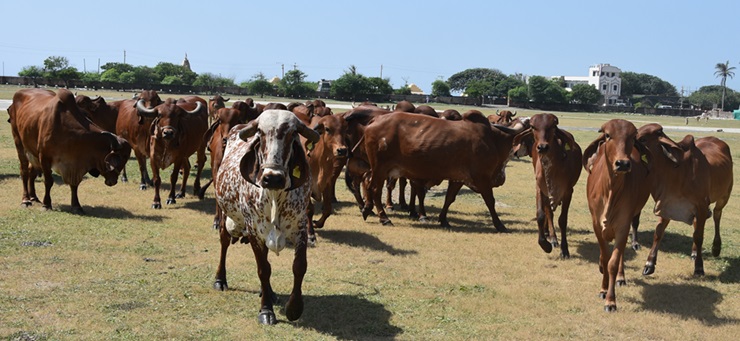
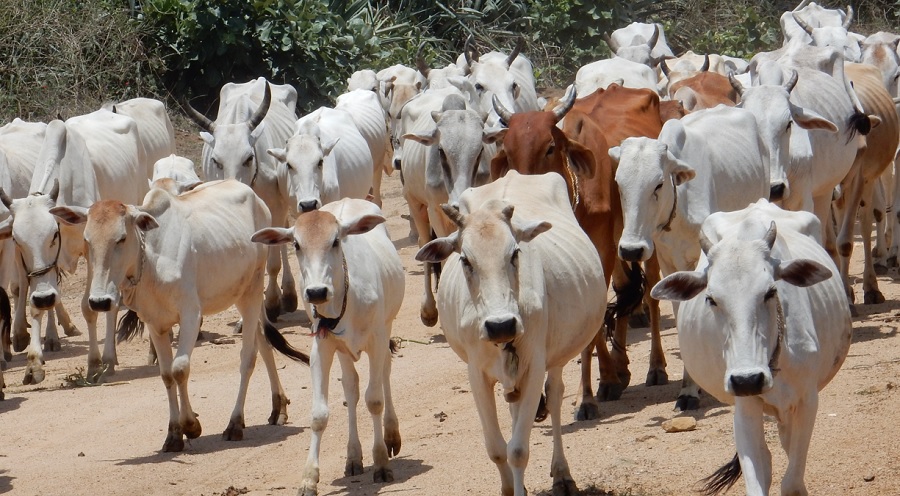
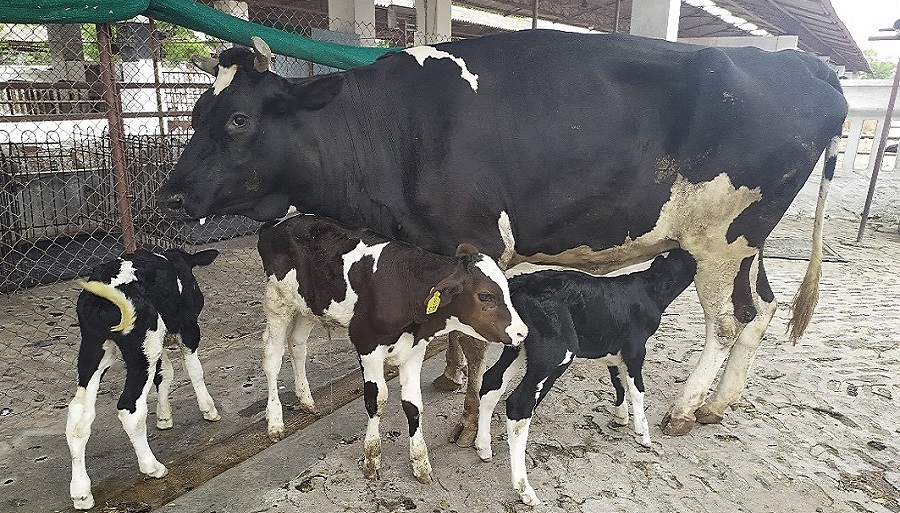
Amidst the scenic Gir forest dotting Saurashtra region of Gujarat, India, lies a treasure — the Gir cow. This local breed known for its unique qualities, plays a significant role in the farming system of this region. Join us as we dive into the world of the Gir cow, exploring its distinct features, historical significance and its role in sustaining livelihoods.

Intoduction:

The Gir cow hails from the Gir hills and the forested areas of Kathiawar and hence the name. Saurashtra region includes Junagadh, Bhavnagar, Rajkot and Amreli districts. The Gir cow is also known as Bhodali, Desan, Gujarati, Kathiawari, Sorthi and Surti across different sections of its breeding habitat.

Origin and Heritage:

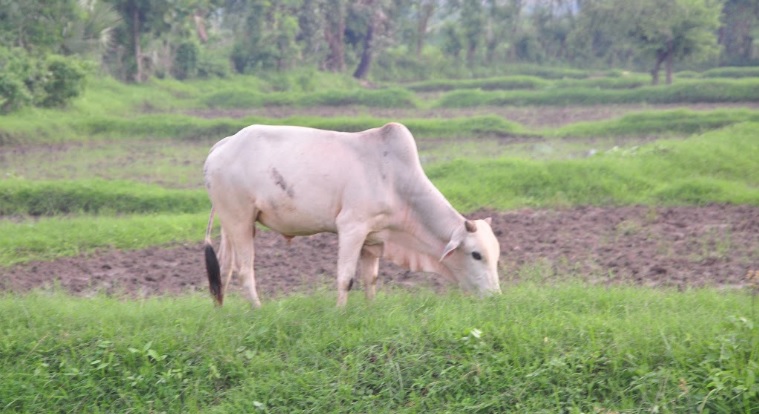
The Gir cow, scientifically known as Bos indicus, finds its roots in the Gir forest of Gujarat. This historic breed has been a companion to farmers for centuries, playing a crucial role in the agricultural landscape of the region. Its adaptation to the hot and humid climate, marked by a distinct hump and pendulous ears, reflects the flexibility that has been improved over generations… Its presence in the agricultural practices of the region dates back to several centuries. The breed has played an essential role in sustaining communities, providing not only nourishment but also contributing to the economy through dairy.

Gir Communities:

Behind this iconic breed lies the dedicated communities of livestock keepers who have safeguarded the legacy of this breed for generations and which also reveals the rich cultural traditions and the importance of preserving and promoting sustainable practices for the well-being of the communities and the cherished Gir breed. These communities are Maldhari, Bhrawad (Gaderia), Rabari, Ahir, Jaat, Barda Dungar, Sumara, Sama – Muslim, Charan and Kathiawadi who have discovered their integrated connection with the valued Gir cow.

Breeding Practices:

Gir breeding practices are steeped in tradition, with focus on maintaining the purity of the breed. Gir breeders wisely select parent cows and bulls, considering their family and physical traits. This careful matchmaking ensures that the distinctive features of the Gir cow are passed on through generations.

Management practices:

The Gir cow, a symbol of India’s rich agricultural heritage, demands careful attention and thoughtful management to thrive in various environments. As keepers of this royal breed, farmers and caretakers play an essential role in ensuring the comfort and efficiency of Gir cows. In this note, we will explore key management practices that contribute to the health, comfort, and overall achievements of Gir cows. Management practises involve Quality Nutrition, comfortable Housing, Healthcare and Record keeping.

Gir Morphometric characteristics:

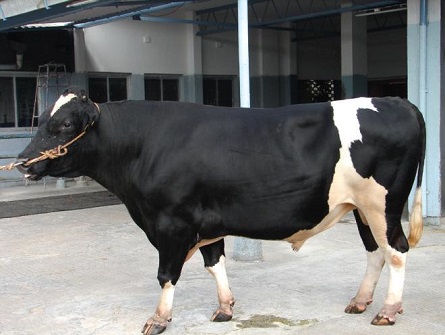
This indigenous breed has distinctive morphometric characteristics that contribute to its uniqueness including the features of the head, characteristics of the eyes, hump size, skin coat colour, skin types, body size, udder attributes, teat placement, horn characteristics, tail features and type of hump.

Milk Production:

A true leader in the dairy world, the Gir cow is famous for its high milk yield. The milk, rich in butterfat, forms the foundation for the production of ghee and other dairy products. This quality has elevated the breed to a major player in the dairy industry. Renowned for its adaptability, the Gir cow sparkles in tropical climates. Its ability to withstand heat stress and resist diseases makes it a valuable asset for farmers facing environmental challenges. Milk yield per lactation is a critical parameter in assessing the productivity of Gir cows. The average yield of 2110 kg reflects a moderate to high production capacity. The range from 800 to 3300 kg underscores the variability in individual cow performance, emphasizing the need for tailored nutrition and management practices to optimize milk production. Milk fat percentage is an important element of the quality of dairy products. The average fat content of 4.6% positions Gir cow milk favourably for the production of high-quality dairy products. The range from 3.9% to 5.1% indicates a steady and appealing fat, contributing to the nutritional value and market appeal of Gir cow milk.

Conservation Efforts of BAIF:

Recognizing the importance of preserving this genetic treasure, BAIF has made significant efforts to conserve and promote the Gir breed through Indigenous Breed Improvement Programme (IBIP) and Enhanced Genetics Project (EGP). Conservation initiatives aim to maintain the purity of the breed, ensuring its continued existence for future generations. On-going conservation efforts ensure that future generations can benefit from the invaluable genetic traits of the Gir breed, securing its place in the agricultural heritage of India.


In the agricultural scenario of the country, the Gir cow stands as a testament to the cooperative connection amongst humans and livestock. Its adaptive nature, rich history and immense contribution to dairy farming make it a breed worth cherishing. As we navigate the challenges of modern agriculture, the Gir cow serves as a reminder to the need to preserve our agricultural heritage and embrace sustainable practices for the future. The Gir breed has gained popularity not only in India but also in other parts of the world due to its desirable characteristics. It is important in the context of livestock diversity and contributes significantly to the agricultural economy, particularly in dairy farming.

The journey does not end here. There is a need to continue efforts in collecting various insights into Gir cow and thereby contributing to conservation initiatives for Gir breed for livestock management.


Stay tuned with us for more updates…

Ms. Tejashree Shirsath-Kalbhor

Senior Information Technology Officer
Animal Genetics & Breeding Department
BAIF Development Research Foundation
Central Research Station, Uruli kanchan, Pune

LinkedIn Profile

Evolution of Livestock Data Capture: BAIF’s Journey with Data Logger Devices

Evolution of Livestock Data Capture: BAIF’s Journey with Data Logger Devices

Mr. Yuvraj Gaundare
Jan 16, 2024
Mr. Yuvraj Gaundare
Jan 16, 2024

Introduction:

BAIF is committed to improving the lives of the underprivileged across 14 states in India. To ensure efficient outreach of services to the farmers, a strong monitoring plan, efficient data collection systems, and advanced data analysis tools are necessary for ensuring accurate recording of field data with focus on precision.


Realising the need to improve its data collection and analysis systems, BAIF began its transition from traditional book-keeping system to modern electronic databases and introduced Data Logger devices in its field operations in the year 2005.

First Model: Tackling the Initial Hurdles

The initial model developed with the technical support of MDL Solution Ltd, aimed to capture reproduction data in selected Cattle Development Centres of Maharashtra. However, the following challenges were observed:

  1. Bulky Device
  2. Limited scope of operation
  3. Code-based entry and display
  4. Not user-friendly
  5. Short battery backup
  6. Difficulty in handling

Second Model: Progress in Efficiency

Building on the lessons learned, the second model had the following benefits:

  1. Smaller in size, the device was made more compact and portable.
  2. In-built Battery
  3. Increased Data Handling Capacity

However, challenges like display issues and limited data storage persisted.

 Third Model (PALM Mobile): Embracing Mobility

BAIF attempted to capture livestock reproduction data using a smartphone Palm Treo 680 model in its satellite form.

Features:

  • Data Download Facility: Streamlined data transfer processes.
  • Convenient Handling: A more user-friendly and portable device.
  • Flexibility: Improved flexibility compared to previous models.

Challenges:

  • Frequent power adapter failure
  • High cost of replacement after warranty expiry

Switching Over to Windows Phones: Embracing Progress

The experience gained from PALM mobile and subsequent unavailability of devices and service backup of PALM mobile as well as easy accessibility with affordable price of Windows smart phones led to the switchover to Windows-based software for capturing the data.

Fourth Model: Windows Phones

Windows phones First Generation was developed to examine Windows-based software – a suitable device with affordable price, HTC model P-3452 with Microsoft windows and mobile operating system 6.1/6.5 was selected during the initial project period. This model was able to ensure systematic data recording without any need to validate the data once it is warehoused in servers. The software used an architecture in which all the scenarios and processes were simulated to an object model. This model used to replicate the real-life scenario thereby ensuring that the data entered was pre-revalidated.


On the other hand, it gave intelligent responses and pre-emptive appointments and responses for possible scenarios. The system behaved like an interactive assistant at various levels like Centre In-charge, Area office, State office and Central office. As the technology became more advanced in the field of mobile computing, windows mobile 6.1/6.5 operating system was phased out by Microsoft being replaced with windows phone 7.1/7.8/8.0/8.1 Hence, the next generation of software application was developed with data, feature and functional continuity with previous generation software (Windows mobile 6.1/6.5).

First Generation:

Device: HTC model P-3452 with Microsoft Windows Mobile OS 6.1/6.5.

Validation and Intelligence: Systematic data recording with pre-validation and intelligent responses.

Second Generation:

Technological Advancement: Evolving with Windows Phone 7.1/7.8/8.0/8.1.

Continuity: Maintained data, feature and functional continuity from the previous generation.

Switching over to Android Phones

Following the phase-out of Windows phones after 2016-17, BAIF recognized the need to adapt and transition to Android smartphones. This shift marked a strategic move towards modernization, enabling a more streamlined and efficient approach towards livestock reproduction data collection. Acceptance of the online-offline model, BAIF introduced the “Godhan Seva” Android App specifically designed for Artificial Insemination Technicians (AITs). This innovative app, powered by TCS-DFI® (Tata Consultancy Services – Digital Farming Initiative), not only facilitated seamless data collection but also empowered AITs with a user-friendly platform.  The application also had a multi-language support. The transition to Android smartphones and the integration of the “Godhan Seva” app exemplify BAIF’s commitment to staying at the forefront of technological advancements for enhanced livestock management. More than 1200+ BAIF Artificial Insemination (AI) Technicians are using this application in the field and around 40+ lakh Artificial Insemination data is available since the past 6-7 years in digital form. Various research publications and articles have been published based on data collected through such modern technology in national and international journals.

Systematic representation of the current livestock data collection system

The systematic representation of the current livestock data collection at BAIF involves incorporation of additional add-on modules on body measurement, performance recording, disease and vaccination thereby reflecting a refined and comprehensive approach towards data management. This signifies a strategic enhancement in our data collection system, designed to capture a more detailed picture of livestock-related information. These add-on modules serve as supplementary components, addressing specific aspects of livestock data that may require specialized attention.

Dashboards and Reports for data visualization and monitoring

Various dashboards and reports have been precisely developed to facilitate effective data monitoring and downloading by the supervisory staff. These tools serve as integral components of our streamlined approach, providing real-time insights and comprehensive overviews of the collected data. The dashboards offer a visual representation of key metrics, enabling rapid and informed decision-making.

Future scope: A platform independent software solutions

 Currently, our focus is on developing a platform-independent software solution to ensure the adaptability of livestock data collection software solution across various devices. This strategic initiative is geared to enable deployment on a wide range of platforms, including Android phones and tablets, iOS devices, Windows phones and tablets, PCs, and desktop computers. By creating a software solution compatible with diverse operating systems and devices, we are striving to enhance accessibility and flexibility, allowing AITs to seamlessly utilize our application on their preferred devices. This approach reflects our commitment to provide a user-friendly and universally accessible tool for livestock reproduction data management across diverse technological ecosystems.

Conclusion

 In our relentless pursuit of efficiency and accuracy, BAIF’s experience with data logger equipment is a testament to our commitment to innovation in livestock reproduction data management. The evolving technology landscape serves as a catalyst for our continued dedication to inventing and implementing superior solutions. As we navigate the dynamic currents of technological advancement, our resolve to remain at the forefront of progress remains unwavering.  However, the journey does not end here.  We have to continue our efforts to adapt our methods to new possibilities and contribute to the ongoing transformation in livestock management. So stay tuned with us…

Mr. Yuvraj Gaundare

Thematic Program Executive
BAIF Development Research Foundation
Central Research Station, Uruli kanchan, Pune

LinkedIn Profile

Soil Health Management

Soil Health Management

Dr. Sagar Jadhav
Dec 05, 2023
Dr. Sagar Jadhav
Dec 05, 2023

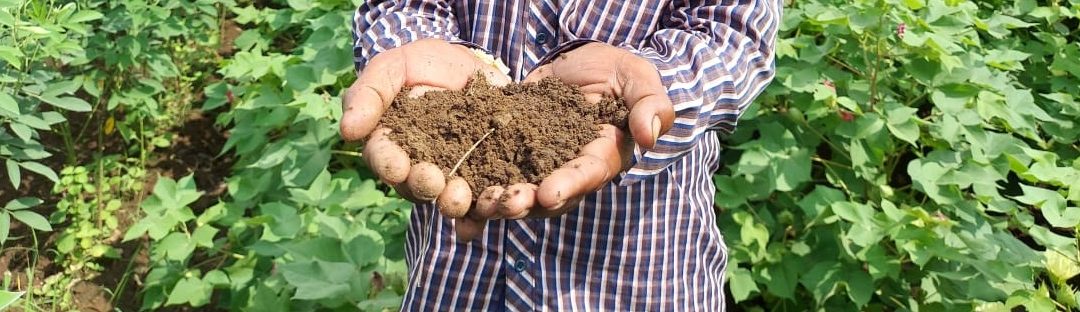
India is an agricultural country. Hence, the economy of India is dependent on the agriculture sector. Agriculture and farmers have assumed unique positions in Indian society. The population is increasing day by day and along with the increasing population, the comforts and conveniences of people i.e. buildings, roads, settlements, industries and dams are also increasing rapidly. Therefore, the amount of arable land is gradually decreasing. The challenge is to satisfy the hunger of the growing population from the limited agricultural area. After independence, Green Revolution emerged and our traditional farming system started changing into a modern farming system.

To obtain more yield, we started cultivating hybrids and improved varieties of crops which gave maximum yield initially. But as crop production increased, so did the uptake of nutrients from the soil. This resulted in deficiency of different nutrients in the field and the amount of organic carbon in the field also decreased. We started using chemical fertilizers to overcome the deficiency of nutrients in the soil. Due to the balanced use of primary and secondary micronutrients, we were successful in increasing the productivity and quality of crops.

Chemical fertilizers have given us tremendous benefits. In the last 50 years, farmers have been using excessive amounts of chemical fertilizers in an unbalanced way in an attempt to obtain more production. Therefore, it started having an adverse effect on the availability of nutrients. For example, if the phosphorus content in the soil was high, micronutrients like zinc and iron in the soil were not available to the crops even though they were in the soil. Therefore, it is important to balance the nutrients with the right fertilizers to compensate for the nutrient deficiency in the soil.

Many farmers believe that the more water they give to crops like sugarcane, the higher will be the yield. Thus, farmers continue to water the crop even when it is not needed. As a result, the soil loses its nutrients. Some farmers dig wells and borewells in the fields and use the groundwater for irrigation. The amount of salt in such water is high. Due to the excessive use of such water in agriculture, the soils become saline and over time, these soils are converted into unproductive soil. Therefore, it is necessary to plan the watering of the agricultural field.

New hybrid varieties of crops have come into the market which enable farmers to receive maximum output from agriculture.  However, these crops are also attacked by various diseases and pests. Farmer can manage these diseases and pests by traditional, physical, mechanical, biological and chemical methods. In recent years, farmers are also in a hurry to receive quick yields and returns. To achieve this, they make excessive use of different chemicals which is much more than the recommended use. Thus, due to over-use of chemicals, the chemical residues accumulate in the soil and destroy soil beneficial microorganisms and degrade the quality of the soil.

To increase the area under cultivation, we have started clearing forests and establishing agriculture and thereby changing the landscape created by nature. As a result, the fertile soil layer on the surface of the land has started moving from one place to another. This is what we call soil erosion. Soil erosion adversely affects agricultural land. The fertile layer of the soil is lost, while in some places, the soil on the hill slopes is eroded and the materials such as mud, soil, stones, sand, etc., flow along with the flow of water and spread on the fertile land rendering the fertile land useless. In some places, there are problems of flooding, while in some places there is division of land. Soil erosion in this manner adversely affects soil health.

The UN General Assembly launched 2015 as the “International Year of Soils” under the theme “Soils: A Foundation for Family Farming” which aimed to create awareness in civil society and decision-makers about the fundamental role of soils in human life. Similarly, we are celebrating December 5, 2023 as “World Soil Day” under the theme “Soil and Water: A Source of Life”. The main purpose is to raise awareness of the importance and relationship between soil and water in achieving sustainable and resilient agrifood systems.

BAIF’s Initiatives on Soil Health Management:
 

  1. As more capital is required in modern agriculture, soil and water testing is extremely important. Regular soil and water testing is the key to planned and profitable farming. Under its Pro-Soil Project, BAIF Development Research Foundation undertook soil testing and distribution of soil health cards among the farmers in various land-based programmes followed by technical guidance by BAIFs Agricultural experts on soil test-based nutrient management to ensure balanced use of fertilizers based on the needs of the crops.

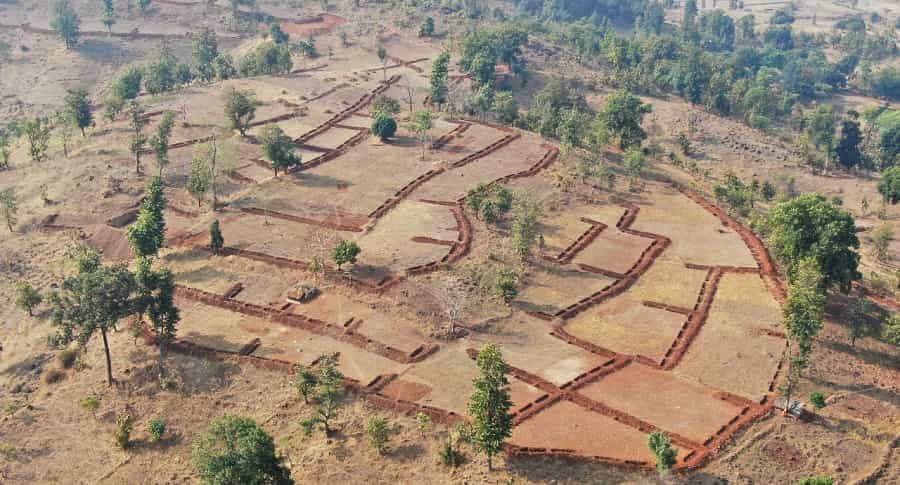
2. To prevent the top fertile layer of soil from being washed away with rain water, the hill slope soil was protected by adopting water-centric livelihoods for land degradation neutrality and soil carbon enrichment. Till date, BAIF has developed 789 watersheds covering 3,72,109 hectares area which has raised the groundwater table and green cover, improved micro-climate and increased agricultural productivity by 35 to 40 %. The estimated carbon sequestration/offset achieved through BAIFs initiatives on natural resources management, silvopasture, soil health improvement and efficient water use is about 1,00,000 t C per year.

3. To reduce the soil disturbance BAIF promoted direct seeded rice technology on 1102 ha in Andhra Pradesh and Bihar and zero tillage cultivation practices on wheat demonstrated on 3532 ha in Bihar.

4. With increased organic carbon content in soil, BAIF promoted green manuring activity with Dhaincha, Sunhemp and Navadhanya on 1000 ha at Prakasam, Palnadu and Eluru districts of Andhra Pradesh. To improve the organic carbon content in soil and alternative solutions for crop residue management BAIF promoted Biochar, vermicompost, farm yard manures, city compost, biodigester, bio-prom and decomposers in Maharashtra, Odisha, Telangana, Karnataka and Uttarakhand.

5. Generally, 33 % of the total area in any village, district or state should be under forest cover. To convert the uncultivated land into productive assets and increase the tree cover outside the forest, BAIF has been implementing the Agri-Horti-Forestry (Wadi) programme and has planted fruit and forestry trees on 89,000 ha. The BAIF Wadi model has been scaled up in 25 states with the support of NABARD. Two million tons of total estimated carbon has been sequestered through the wadi programme.

6. To reduce the production cost of farmers and to reduce the excess use of chemicals in agriculture, BAIF established 10 Drums, Jeevamrut, Bijamrit and Dashparni Neem Ark and Vermiwash units at the village level and guided the farmers on its preparation and application.

7. BAIF has promoted integrated pest management, bio-fertilizers and bio-pesticides under various projects.

8. To end mono-cropping system, BAIF has promoted and introduced alternative crops at farmers’ fields and maintained a crop rotation system.

9. To increase nutrient use efficiency BAIF demonstrated and promoted Briquettes technology in rice crops with 157 farmers at Bhor, Welhe, Rajgurunagar and Jawhar in Maharashtra.

10. To increase water use efficiency and avoid excess use of irrigation water, BAIF has promoted Drip and Sprinkler irrigation systems. This has ensured conservation of 90 % of water and prevented soluble elements of our soil from being washed away.

Dr. Sagar Jadhav

Senior Research Officer
BAIF Development Research Foundation, Pune

Sanvadini – An Outbound Call Centre, Digital Advisory for Farmers

Sanvadini – An Outbound Call Centre, Digital Advisory for Farmers

Dr. Lata Sharma
Nov 20, 2023
Dr. Lata Sharma
Nov 20, 2023

Introduction

In India, livestock is the primary source of income for landless farmers supplemented with agriculture. However, a majority of the dairy farmers have poor or no access to information apart from lack of access to extension and veterinary services, education and training facilities. There are also very few call centres catering to the needs of dairy farmers.

Challenges faced by dairy farmers

 Despite a wide range of reform initiatives in agricultural and livestock extension in India in the past few decades, the coverage, access to and quality of information provided to marginalized and poor farmers is unevenly distributed. This hinders the growth of the dairy enterprise or business resulting in loss of interest of farmers in this enterprise. Hence, there is a need to establish call centres to cater to the needs of the farmers on various critical aspects such as breeding, housing, health and feeding of animals for achieving higher production with a smaller number of animals.  Some of the challenges faced by dairy farmers are:

  • Shortage of feed/fodder. Growing trend of high breed animals is creating a huge demand for good quality feed and fodder to cater to the dietary requirement of milking animals and use of feed pre-mixes.
  • Hygiene conditions.
  • Health issues of animals.
  • Lack of awareness and training of dairy farmers
  • Supply Chain. Absence of requisite infrastructure such as chilling plants and bulk coolers to prevent contamination and spoilage at the village level.
  • Poor returns on investment
  • Growing shortage and cost of labour. Farmers welcome farm mechanisation in order to handle the situation.
  • Growing consumer awareness and shifting lifestyle are forcing processors to move towards product innovation and thereby a growing demand for high quality equipment and various food ingredients.

The other concerns of dairy farmers are competition, cost of production and productivity of animals. Demand for high-quality dairy products is increasing, as is production in many emerging countries.

On account of a growing middle class, rising prosperity, changing food habits and level of awareness, the demand for milk and milk products is increasing at a rapid pace in the Indian market. A lot of innovation is taking place at the consumer end and thus the demand for new technology, machinery, packaging solutions, food diagnostics and food ingredients is increasing.

Keeping all the challenges and current marketing demand in the mind, it is necessary to educate dairy farmers to ensure higher milk production with a smaller number of animals and to create awareness about animal rearing for ensuring breeding of healthy animals.

The National Dairy Development Board (NDDB) launched a call centre – Pashu Mitra for dairy farmers to address their queries on animal health, nutrition and productivity. BAIF too launched a farmers’ Call Centre – Sanvadini in the year 2015 particularly for BAIF participant farmers to provide support to farmers through dialogues over the telephone.

This outbound Call Centre was started to provide advisories to farmers involved in Dairy husbandry activities.  Rural women with farming background have been appointed as Operators or Communicators who call the farmers to provide valuable information and to satisfy their queries on dairy cattle management.

Major Objectives of Sanvadini

 The main objectives of Sanvadini are:

  • To provide technical guidance, input support and extension services such as veterinary care, breeding, supply of balanced ration and feed supplements, fodder seed, fodder crops and training to dairy farmers through experts.
  • To identify farmer problems and ensure proactive discussions and solutions and their demand for various services.
  • Calls can lead to wider application of services and dissemination of inputs, improve the quality of milk and thereby increase farm income significantly.
  • Generate a database of dairy farmers, which can further be used for various surveys, market studies and development planning.

Impact

 In the last 8 years, more than 200,000 farmers have been covered through Sanvadini which has successfully provided ready solutions to farmers’ problems over telephone calls. If the communicator is unable to respond to various queries raised by the farmers, the call is escalated to the Subject Matter Specialists who answers the call and responds to the farmers’ needs.  The response from the farmers has been very encouraging as they are getting advisories and updates on various critical issues in the dairy sector. Thus, today almost 10-12 percent calls are inbound calls, as against a totally outbound call centre form when it was launched.

There is a need to start more of such centres for not only helping the farmers in animal rearing and management but also for educating them about management of high yielding animals, technical guidance, advisories and input services. Such kind of centres will certainly help dairy farmers in operating dairy enterprise successfully.

The Call Centre is technically backed with a Customer Relations Management software integrated with cloud telephony, making it easy to replicate it in other States; farmers and calling data are managed centrally.   Expansion or creation of more of such call centres will help to overcome the language barrier, as the advisories can be provided in local languages.

The Contact Number of Sanvadini is 02248914067

Dr. Lata Sharma

Senior Project Officer
BAIF, CRS, Uruli Kanchan, Pune

Linkedin Profile

Biotechnology – In-Vitro-Fertilization (IVF) – A way to multiply superior germplasm in Livestock

Biotechnology – In-Vitro-Fertilization (IVF) – A way to multiply superior germplasm in Livestock

Mr. Prasad D. Deshpande
Nov 03, 2023
Mr. Prasad D. Deshpande
Nov 03, 2023

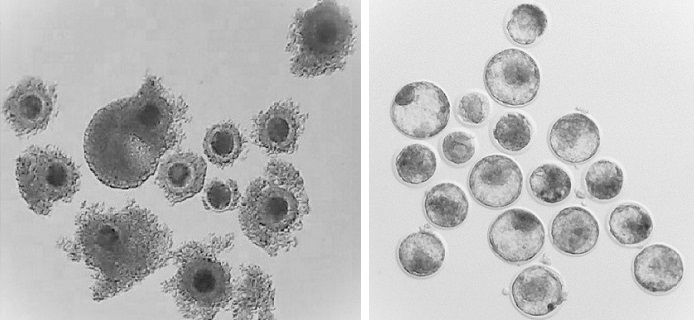
In-vitro fertilization (IVF) is a biotechnological technique widely used in livestock. IVF in livestock offers several advantages, particularly in the multiplication of superior germplasm, which refers to the genetic material of animals that exhibit desirable traits such as high milk production, disease resistance, or other economically important characteristics.

The clinical and technological advances executed for a long time in animal duplication have resulted in the development of a variety of tools commonly referred to as Assisted Reproductive Technologies (ART). The primary focus of these tools is to maximize the number of offspring from genetically superior animals and disseminate germplasm to breeders’ and farmer’s doorstep. Furthermore, ART allows for the effective utilization of donors with anatomical disabilities and sub-fertile conditions, for shielding the germplasm of threatened species and home breeds and transmission. The major advances in In Vitro Embryo Production (IVEP) today seek to improve overall performance at all procedural stages viz. ovarian stimulation, oocyte recovery, maturation, fertilization, embryo development, embryo freezing, embryo transfer and pregnancy establishment.

The native breeders are interested in conserving their native breeds for genetic assurance in the future. The conservation includes preservation along with upgradation of the genetic potential and management of a breed for use in the future. The powerful control of livestock assets consists of identification, characterization, evaluation, documentation and conservation.

BAIF established the IVF laboratory in 2018 with the project entitled, “Conservation and Multiplication of Superior Germplasm in Cattle by OPU-IVF Technology” under the Rashtriya Gokul Mission (RGM), National Mission on Bovine Productivity (NMBP), Government of India. Indigenous breeds such as Dangi, Deoni, Gaolao, Gir, Red Kandhari, and Sahiwal donors were selected based on the Minimum Standard Protocol set by the Government of India.

Farmers and animal breeders are utilizing BAIF’s IVF-Embryo transfer (ET) facility to multiply embryos from genetically superior animals. It enables rapid dissemination of desirable traits in the population. For those who are interested in producing desired sexed calves, during IVF only, sex-sorted semen is used. Nowadays, breeders are also trying to ensure genetic improvement in their herds, leading to higher productivity and profitability. As there is less transportation of live animals, it reduces the risks of disease transmission.

The desirable approach is to take up genetic development as well as conservation. Establishment of regional gene banks and participation of breeders, communities, gaushalas, NGOs and different applicable stakeholders are essential in the conservation programme.

Mr. Prasad D. Deshpande

Senior Thematic Program Executive
BAIF, CRS, Uruli Kanchan, Pune

Linkedin Profile

Traditional practices for newly registered Kathani cattle breed

Traditional practices for newly registered Kathani cattle breed

Dr. R. L. Bhagat
Oct 20, 2023
Dr. R. L. Bhagat
Oct 20, 2023

Introduction:

During November 2017 to March 2020, the National Bureau of Animal Genetic Resources (NBAGR), Karnal, Haryana, conducted a survey with the support of BAIF for evaluation and characterization of lesser-known cattle population from Vidarbha region of Maharashtra.  The breed registration application was submitted to NBAGR and based on the recommendation of the Animal Husbandry Commissioner, Maharashtra state, these lesser known cattle population known as Kathani cattle, were registered as the 51st cattle breed  and the second registered cattle breed from Vidarbha after Gaolao breed.

Breeding area:

The Kathani cattle, found mainly in Gadchiroli, Gondia, and Chandrapur districts were surveyed. The breeding area is highlighted in the map below.

Feed and fodder resources:

It was observed that Tanis (after harvest leftover of paddy), Kadaba (dry jowar), Kutar (leftover of soybean, mung, wheat, cowpea, chickpea, pigeon pea and black gram) and grasses were the major fodder available for the Kathani breed. As mono cropping (paddy, soybean, tur, chickpea) based on rain-fed irrigation was practiced, in the absence of green fodder, Kukus (crushed home-made rice bran), kukus pani, kukus dana, kukus dhep and kukus pith were provided to the animals as concentrate feed.

Traditional Practices:

Dongi: The laboratory proximate feed and fodder analysis revealed that Kathani animals were being reared on very low nutritive value content fodder. Inspite of feed and fodder deficiency, the farmers refrained from providing commercial mineral supplement to their animals. However, stale food, curry and hand washed water were stored in a vessel made of either wood, stone or cement concrete and locally known as ‘Dongi’ with a capacity of 8 to 10 litres and mixed with some quantity of kukus and fed to working bullocks and milking cows the next day in the morning.

Grazing of Animals in groups: The unique practice of group grazing was followed for Kathani cattle which was attributed to the availability of open grazing land especially in forest areas and work force for grazing the animals which led to a zero-input system and whatever was earned from animals like limited milk and manure and bullock power for agriculture resulted in surplus income for the cattle owners.

Aakhar / Gohan:  A common place – Aakhar / Gohan where all the animals collect prior to grazing generally owned by the Gram Panchayat or belonging to the forest department measures one to one and a half acres and accommodates 80 to 100 animals of different age groups and are found in every village. The cow herder locally known as Gayaki waits for one and a half to two hours in this Aakhar till all the animals gather. The cow herder maintains a record of the cattle owner and the number of animals he is taking for grazing. The farmers start bringing their animals from 7 am onwards and remain up to 10 am. During this time, dung defecated by the animals becomes the property of the cow herder along with the responsibility of general cleaning of the place. The dung collected is sold as manure to interested farmers.  After grazing in the evening time, when the animals return, they directly go to their respective owner’s house.

Gayaki:  The cow herder (Gayaki) is generally illiterate or has received education only up to the 2nd or 3rd standard. One Gayaki takes 50 to 60 animals for common grazing and if the number of animals increases, then more than one person is involved to take care of the animals. The animal owner has to pay a certain fee per month for grazing of adult animals while suckling calves and animals below one year of age are not charged. Along with this token amount, in some parts, paddy is also given to the Gayaki.  In his absence, he arranges for a substitute cow herder.  The cow herder is rewarded (Bojara) in cash or kind and some token amount is also paid during festivals such as Deepawali. The Gayaki visits every owner and collects this Bojara once a year. They have to walk on an average 8 to 10 km behind the animals depending on the availability of grazing land and drinking water for the animals. If during grazing, any incident such as natural service, delivery, attack by wild animals and cases of animals going missing occurs, it is his responsibility to inform the cattle owner. This source of livelihood lasts only 10 months in a year from June to March and in the months of April and May, animals cannot be grazed as agricultural fields are left fallow.

Constraints of Gayakis: During discussions with some of the cow herders (Gayakis) engaged in this business for more than nine to ten years, it was realized that declining grazing land compels them to walk more distance behind the animals, fear of attack by wild animals such as tiger, wolf and bear, sudden abnormal behavior of animals which makes it difficult to control them, irregular payment from cattle owners, free of cost rearing of animals below one year of age, scarcity of drinking water for animals especially in summer resulting in covering a longer distance in search of water and difficulty in getting a substitute during illness were some of the serious constraints.

Constraints of animal owners: Animal owners also have their own constraints as in the absence of cow herder as the youth of today are not interested in this unreliable source of livelihood, they are forced to reduce the size of their herd and with low economic value of non-descript animals, their cash flow is poor and hence, they are unable to ensure regular payment of the Gayakis on time apart from rain-fed mono cropping pattern resulting in fodder shortage,  lower market value of animals subsequent to the ban on animal slaughter and animal race.

Alternatives: The cattle owners in every village have formed 1 or 2 groups to take care of their animals. Four to six cattle owners form a group with 60 to 80 animals and every day, two owners take care of all the animals for two days and for the next two days, two other owners function as Gayakis.

Gedaga / Badaga: The normal age of the animal when they are put to agriculture work for the first time is around 3.5 to 4 years. A wooden two-piece ‘T’ shaped structure called Gedaga or Badaga in the local language is fitted on the neck of a bull calf who will serve as a bullock in the future. This helps to train such calves as psychologically he realized that he has to carry a load of such type. The weight of the Gedaga is around 5 to 7 kg and made from palas tree (Butea monosperma). This Gedaga is kept on the neck of the animals for 15 days which generates a feeling of yoke for the calf.  Farmers find this technique easy to train bulls for agriculture work.

Dr. R. L. Bhagat

Senior Thematic Program Executive
BAIF, CRS, Uruli Kanchan, Pune

Linkedin Profile

Embryo Transfer – A tool for genetic improvement in cattle and buffaloes

Embryo Transfer – A tool for genetic improvement in cattle and buffaloes

Dr. Hemant Kadam
Oct 05, 2023
Dr. Hemant Kadam
Oct 05, 2023

The foundation of any livestock development programme rests with the presence of a scientifically sound and systematic genetic improvement programme aimed at improving the genetic composition and productivity. Selection of genetically superior animals, multiplication and harvesting of superior breeding material and dissemination to millions of livestock owners who depend on livestock solely or partially for their income and livelihood are the ultimate goals of the programme.

India is bestowed with valuable livestock wealth especially good milch cattle and buffalo breeds such as Sahiwal, Gir, Red Sindhi, Murrah, Mehsana and Jaffarabadi respectively.

Embryo transfer technology provides an opportunity to disseminate the genetics of proven elite females and their maximisation than could have been achieved by natural way.

Ovum Pick Up (OPU), In Vitro Embryo Production (IVEP) and Embryo Transfer (ET) programmes have resulted in increased selection intensity, reduced generation intervals and increased genetic gains in livestock. OPU, IVF and ET technologies are now used in countries like Brazil, USA and Canada to produce highly productive animals from top producing cows and proven bulls for sustainable dairy industry. These two technologies also help in the development of herds of genetically valuable females or males. All these Assisted Reproductive Technologies (ARTs) have proven to be very useful research tools.

Under Indian conditions, Multiple Ovulation and Embryo Transfer (MOET) work was started around 1990s in sporadic institutes for production of elite dairy animals. Since last 4-5 years, Ovum Pick Up and In vitro Embryo Production (OPU-IVEP) have emerged as replacements to in vivo embryo production technique. It is envisaged that use of this technology to multiply the superior bovine germplasm can change the face of the dairy industry in India. India ranks first in milk production with a variety of cattle and buffalo breeds, which gives tremendous scope for sustainable increase in embryo production in the near future. Presently, these techniques can be used for production of elite bulls and bull mothers, creation of replacement herd, establishment of nucleus herd, breed conservation and rapid propagation of elite animals.

BAIF established its Embryo Transfer laboratory in the year 2001 and from 2018 onwards, BAIF started work in OPU-IVF by establishing an ultra-modern IVF laboratory. This technology is being used to its fullest extent at BAIF’s Bull Mother Farm and at farmers doorstep for production of animals with better genetics.

BAIF has undertaken embryo transfer technology in Sahiwal, Gir, Ongole, Dangi, HF Pure, Jersey Pure and cross bred animals as well as in buffaloes resulting in the birth of excellent male and female animals. Use of sexed sorted semen along with IVF is a useful tool for production of animals with desired sex. These animals are contributing to increased productivity and conservation of good genetics.

The success of the embryo transfer programme depends on the quality of the embryo, recipient selection, technical procedures followed for embryo production and skill of the ET experts. Hence, embryo transfer is a composite technology that requires expertise in many areas. As optimal utilization and results will reduce costs further, the technique has to be made more economical and affordable for Indian dairy farmers under field conditions.

Dr. Hemant Kadam

Sr. Thematic Program Executive
In-Charge, Bull Mother Farm & IVF- ET Activity
BAIF Central Research Station, Uruli Kanchan, Pune 412 202

Spineless Cactus – An Amazing Species for Arid and Semi-Arid Regions of India

Spineless Cactus – An Amazing Species for Arid and Semi-Arid Regions of India

Dr. Vitthal Kauthale
Sep 18, 2023
Dr. Vitthal Kauthale
Sep 18, 2023

Introduction : Almost 53.4 per cent of India’s land area comprises of arid and semi-arid regions. The climato-vegetational   condition of the arid and semi-arid zones indicates a very extreme temperature, very low and erratic precipitation, high wind speed, high evapotranspiration, scarcity of water, low content of organic matter and presence of soluble salt in the soil leading to very low productivity of agricultural crops and poor availability of natural resources of the area, which affects the livelihood of the local community. To address this critical issue, scientists across the world have been scouting for suitable crop species that can not only grow in hostile agro-climatic conditions but also provide food, fodder and other economic benefits.

Opuntia ficus-indica species known as cactus pear, is a climate-resilient smart crop, which has been introduced in recent times in India.  It has multiple uses especially for our farmers in arid or rainfed regions. It is tolerant to drought, high temperature and frost and is adaptive to a hot arid environment because of xerophytic characters, enabling the plants to survive prolonged periods of drought. It is a multipurpose plant species which is easy to establish. Cactus cladodes are rich in minerals like Ca, Mg, Na, P and K and have moderate protein and fibre content. Cactus contains high percentage of water (85- 90 per cent) and hence when fed to livestock, the water requirement of animals is reduced by 40 to 50 per cent. Cactus can generate carbon sequestration of 30 T CO2e/ha/year under sub-optimal growing conditions. Being a multipurpose crop with use as food, fodder, fuel, fertilizer and fashion, cactus achieves some of the Sustainable Development Goals (SDGs). This has made this plant a climate-smart crop and an integral aspect of agricultural economy in arid and semi-arid regions of India as well as the world.

Uses of Cactus: Cactus has capacity to produce good biomass throughout the year using minimum water. Cactus and its fruits are now becoming a source of agro-foods available in more than 50 products i.e. marmalades, juices, nectars, candies, frozen pulp, alcoholic beverages, pickles, sauces, shampoos, soaps and lotions. Cactus plant has medicinal uses such as an antacid, arterial sclerosis, anti-cholesterolic, prostatis and hyperglycemia. It has proven potential for diversification and improving livelihood for sustainability in dry lands of India. Cactus is a good species for soil and water conservation, rangeland and marginal land rehabilitation and crop land management. Against the backdrop of ongoing climate change, prolonged droughts, land degradation and desertification, this hardy crop demonstrates significant social, environmental and socio-economic benefits.

The adaptation trials at BAIF campuses in Wagholi, Maharashtra, Lakkihalli, Karnataka, Nanodara, Gujarat and Barmer, Rajasthan has highlighted the adaptability and suitability of cactus in prevailing soil and climatic conditions and also demonstrated the potential of cactus as a source of fodder for animals. Currently, 3.20 ha cactus plantations are being maintained on various campuses and planting material is being supplied to various agencies.

BAIF has developed e-learning module, video clipping, booklet, brochure as suitable training and extension material for promotion of cactus and also published research papers in International Journals and popular articles on cactus cultivation in the local print media.

BAIF’s Research and Development work on Cactus: BAIF Development Research Foundation initiated a comprehensive project on Cactus with NABARD support in 2015. BAIF has standardized the nursery techniques and tissue culture protocol for mass multiplication, production technology, protocol for feeding cactus to livestock and financial viability of cactus cultivation and nursery development at BAIF’s Central Research Station, Urulikanchan, Pune. A cactus arboretum with more than 100 accessions has been established and evaluated for adaptability, growth, yield and nutritional performance.

The research outcomes of this project have been transferred to farmers’ fields in arid and semi-arid areas of Rajasthan, Gujarat, Andhra Pradesh, Maharashtra and Karnataka. More than 800 field demonstrations have been developed on farmers’ fields and the growth and yield performance monitored periodically. The farmers are currently utilising cactus cladodes for feeding their goat, sheep, cattle and buffaloes. These plantations are also acting as decentralised nurseries for supply of planting material. BAIF have also supplied more than one lakh cladodes to Krishi Vigyan Kendra, State Agriculture University, Government Seed farms and NGOs to promote cactus as a fodder for livestock.

Cactus-fresh biomass yield ranges from 20 to 35 tons/ha at two years of plant growth and largely depends on the soil type and management practices adopted by the farmers. The subsequent increase in biomass yield was also noticed over a period of plant growth.  Cactus feeding trials were undertaken in small and large ruminants and it revealed high palatability in goats as well as in milking cows. The results indicated that 3-4 kg of cactus was voluntarily consumed by adult goats whereas 7-8 kg of cactus were consumed by milking cows per day along with roughages. Hence, cactus has replaced 25 percent of green fodder. The average daily gain in body weight and overall growth were observed to be satisfactory during the feeding of cactus.

Cactus for fruits : Some of the fruit type accessions have been identified among the available germplasm collections in cactus arboretum at BAIF, Urulikanchan. Besides fruit yield, quality parameters including colour, taste, sugar content and nutritional properties of the fruits are being studied to identify the best accession for further multiplication and exploration for commercial fruit production as well as value added product development.

Cactus for Bio leather and Biogas/ Bioenergy : For exploring cactus as bio leather, collaborative research with CSIR-National Institute for Interdisciplinary Science and Technology (NIIST), Trivandrum and M/S Streekaya Services Pvt. Ltd. Mumbai, is in progress. NIIST has developed a protocol for bio leather (vegan leather) production, studied its properties and economics of production. Cactus pears meet the criteria of energy crop and biogas production is 0.36 m3 kg/DM having 55 to 70 % methane (CH4). The slurry coming out from the digester is a very good fertilizer and can be used in crop production. The work is being taken forward in collaboration with International Center for Agricultural Research in the Dry Areas (ICARDA), ICAR institutes and a few start-up companies.

Future prospects : In vast areas of India which are rainfed, cactus can be grown with minimum availability of water. The Ministry of Land Resources and Watershed, Government of India is showing considerable interest in promoting cactus plantation on available watershed areas/ degraded land / waste land / rangelands in arid and semi-arid regions across the country. There is a need to establish a decentralised cactus nursery on farmers’ fields and for Government institutes to cater to the increasing demand of planting material. Cactus as a raw material can be utilised for multiple uses like green fodder, community biogas and bio CNG, bio leather and pharmaceutical and industrial products.

Dr. Vitthal Kauthale

Chief Thematic Programme Executive
BAIF Development Research Foundation
Central Research Station, Uruli Kanchan, Pune 412 202

Linkedin Profile

Sire contributes 50 percent of the total animals in the herd

Sire contributes 50 percent of the total animals in the herd

Dr. R. L. Bhagat
Sep 05, 2023
Dr. R. L. Bhagat
Sep 05, 2023

Introduction:

Rural livestock improvement is one of the core activity approaches of BAIF to ensure gainful self-employment and sustainable livelihood approach at the rural level.  This activity is not only a tool for income generation and improvement of the quality of life of the rural population but also an opportunity for dairy population improvement. The method varies from using frozen semen from exotic breed dairy sires (Jersey or Holstein Friesian) to crossbreed rural indigenous (Zebu) cows to produce crossbreds with high milk potential to preserving and enhancing indigenous stock through their characterization and genetic improvement using frozen semen from chosen bulls through Artificial Insemination.

Breeding the field animals through natural service:

Traditionally, bulls have been used by natural service to impregnate females for producing calves. Since one bull is used for providing service to many females, his contribution to improvement becomes more important than that of females. In natural mating, while realizing the importance of the bull in transmitting good qualities to its progeny, it was also noticed that the level of impact was much less than desired due to the production of a few numbers of daughters during the year. The invention of Artificial Insemination (A.I.) created an opportunity to produce a large number of daughters from a bull to create a sizable impact of its inheritance, to genetically improve the milk production potential. Such a program was launched by BAIF right in the initial establishment years by importing frozen semen of highly merited bulls from Europe and America and thereafter from locally available selected bulls when semen freezing facilities were established and standardized.

Generation-wise contribution of sire:

Considering the objective of improving milk and the overall productive and reproductive performance of rural animals, the selection of top-class quality bulls for producing a large number of daughters to make the desired impact is necessary. In the 1st generation sire contributes 50 percent to the foundation stock, in the 2nd generation, his contribution is 75 percent and in the 3rd generation, 87.5 percent contributes from 3 sires to the foundation stock. (See the following Image) and the bull effect continues for 10 years.

Bull selection methods:

There are three popular methods for selecting bulls for breeding field animals and they are as follows;

1. Physical confirmation: In this bull selection method, more importance is given to the breed characters rather than the milk production potential of his dam. While selecting the bull it is also seen that the bull is free from any physical ailments like lameness, blindness, any damaged part of the body, etc. This bull selection method is used for draft-purpose breeds E.g. Khillar, Hallikar, Red Kandhari, etc,

2. Physical confirmation and pedigree selection: In this bull selection method along with physical confirmation, the bull’s pedigree (ancestors’ information) is also seen like, the milk production capacity of his dam, his sisters, and grand dam. If the pedigree information of three generations is available, then it is considered to be much better. This method is used for selecting the bulls from milk breeds and crossbreed animals.

3. Physical confirmation, pedigree, and progeny performance: This is the most reliable method of bull selection before the bull is put into extensive use. The developed countries that made extensive genetic improvements in milk production used this method on a very large scale. In this bull selection method, the selection of bulls is made after comparing a large number of bulls and selecting a top few of them to be used extensively. Since bulls themselves do not give milk, the average production of their daughters is considered for comparison. Standard procedures are defined for doing this and the process is known as progeny testing. The field progeny testing has prime importance as bulls are selected on the performance of daughters born at farmers’ herd and every farmer has his own feeding and management practices followed for their animals.

4. BAIF experience in progeny testing: The first field progeny testing attempt in BAIF was initiated during the period 1980-85. During this period, pure Holstein and Jersey breed bulls were progeny tested on the basis of their crossbred daughters produced under farmer conditions. This probably was the first attempt of this sort in the country.

The absence of information and experience on many aspects of field recording in the country calls for a need to build knowledge on the aspects of fine-tuning the recording system to increase the accuracy of progeny testing.

Dr. R. L. Bhagat

Senior Thematic Program Executive
BAIF, CRS, Uruli Kanchan, Pune

Linkedin Profile

Methane Emission Mitigation Strategies in Livestock

Methane Emission Mitigation Strategies in Livestock

Dr. Manojkumar Aware
July 17, 2023
Dr. Manojkumar Aware
July 17, 2023

Global warming is a pressing global issue that has severe implications for the overall ecosystem. One significant contributor to this problem is the emission of methane from animals, which is influenced by various factors including feed type, feed intake, ambient temperature, rate of feed consumption, the balance of nutrients in the feed for microbial growth and microbial composition in the animal’s gut. To address this issue, a holistic livestock development approach can be adopted to improve the milk production and provide sustainable livelihoods for the rural community. Following strategies can be recommended and adopted to reduce the methane emission:

Improved animal nutrition and Ration Balancing Programme: Enhancing feeding practices and feed conversion efficiency is crucial in minimizing methane production. By increasing the energy content and digestibility of feed, less feed is converted to methane resulting in more productive output. Balanced diets incorporating high-quality forages can improve animal health, digestion, and ultimately reduce methane emissions. A balanced ration should provide protein, energy, minerals and vitamins from dry fodder, green fodder, concentrates, mineral supplements etc. in appropriate quantities to ensure optimal performance and animal health.

Use of anti-methanogenic feed supplements: Certain feed additives, such as tannins, essential oils, and enzyme supplements, have proven effective in reducing enteric methane emissions in livestock. With the help of research activities certain anti-methanogenic feed supplement have been developed which can be effectively and safely incorporated into animal diet like “Harit Dhara”. Based on the results of a feeding trial of Harit Dhara, anti-methanogenic feed supplement at different ICAR research institutes and possible reduction of methane emission up to 17 – 20%, BAIF has purchased a license of Harit Dhara for production and supply through its own programmes as well as from private customers.   It has been developed from tannin-rich plant-based sources. Tropical plants containing tannins, bitter and astringent chemical compounds, are known to suppress or remove protozoa from the rumen. It decreases the population of protozoa microbes in the rumen, responsible for hydrogen production and making it available to the archaea (structure similar to bacteria) for reduction of CO2 eq. The use of Harit Dhara promotes higher milk production by increasing the production of propionic acid, providing more energy for lactose production and weight gain.

Changes in animal management and breeding: Improving animal productivity through selective breeding and enhanced management practices can significantly reduce methane emissions per unit of output. This approach requires a decrease in total animal numbers coupled with increased productivity to meet consumer demands.

Improved Breeding and genetics: Selective breeding programmes can be employed to develop dairy breeds that are more efficient in feed utilization and have lower methane emissions. Identifying and breeding animals with naturally low methane production can contribute to long-term emission reductions.

Use of sexed sorted semen: Sorted semen is a sexed semen containing either X or Y sperms and the use of it produces a desired sex (male or female) animal. The male calves are both neglected and under fed by the farmers due to less utility to the farmer. The sorted semen technology will produce 90% female calves.  This technology helps to reduce the economic losses and challenges associated with male calves, leading to improved animal management.

Dung and Manure Management: Proper management of livestock waste, such as dung and manure, is crucial in reducing methane emissions. BAIF has contributed to research and development in establishing an Integrated Renewable Energy and Sustainable Agriculture (IRESA) Model-Based Biogas Unit. Pre-fabricated Floating Dome Biogas Plants are the first portable and ready-to-use plants. These Biogas Plants, made from non-toxic polyethylene material are free from any contamination, chemical resistant and blended with stabilizers, Anti Corrosive and Anti Acidic. These are designed especially for Semi Urban and Rural areas to produce biogas from wet waste and animal dung. This is easy for operation and cleaning. The generated biogas can be used for domestic purpose like cooking which is sufficient for a family of 5-6 members. Each unit can contribute 4 tons of CO2 equivalent emission reduction per year.

Furthermore, the digested slurry from the biogas unit can be utilized as organic fertilizer for crops or fish ponds. After continuous research and development, we have established a 5G filter technology developed to gain the benefits of this IRESA based Biogas Model. The 5G filter is used to separate the solid and liquid waste. The slurry separated water and LOF Culture can be used for kitchen garden plantation by drip irrigation. The application of organic manure improves soil quality by reducing salinity/alkalinity, increasing porosity and enhancing water-holding capacity. BAIF has obtained 2 patents jointly with Sankalp Med-Education Society, Pune viz. “Method and system for production of enriched organic fertilizer from biogas slurry separated water” for Liquid Organic Fertilizers (LOF) on 18th January, 2023 and “Method and system for separation of solids in biogas plant slurry for resource reutilization” for IRESA based Biogas Filter on 29th March, 2023.

Adopting a holistic livestock development approach that encompasses improved animal nutrition, anti-methanogenic feed supplements, changes in animal management and breeding, and effective dung and manure management can significantly reduce methane emissions. These strategies not only contribute to mitigating global warming but also improve milk production and provide sustainable livelihoods for rural communities.

Dr. Manojkumar Aware

Chief Thematic Programme Executive
Animal Nutrition & Climate Action 
BAIF, CRS, Uruli Kanchan, Pune

Linkedin Profile

Combating Desertification, Promoting Carbon Neutrality and  Transforming Lives

Combating Desertification, Promoting Carbon Neutrality and Transforming Lives

Mr. Yogesh Sawant
June 17, 2023
Mr. Yogesh Sawant
June 17, 2023

Desertification, climate change and biodiversity loss are the key problems of sustainable development. Desertification is mostly caused by land deterioration. According to estimates, 120.4 million ha of India’s geographical area is degraded, of which 104.2 million ha is arable land, resulting in a loss of 5.37 to 8.4 million tonnes of soil nutrients (NAAS, 2021).

To address land deterioration and desertification, location-specific, socially acceptable, environmentally benign and cost-effective strategies need to be adopted. BAIF Development Research Foundation, an NGO working in sustainable development in 14 Indian states, has promoted the following strategies:

Wadi (Agri-Horti-Forestry System): Under this programme, fruit trees are planted as the main crops with vegetable crops and pilot-scale cash crops as intercrops on land owned by resource-poor families, for income generation, while forestry trees with multipurpose uses such as fodder, herbs, timber, NTFP and fuel wood are planted along farm boundaries. This model emphasises on the promotion of indigenous and local tree species. While the focus is on legume crops, efforts are also undertaken to identify local agro-biodiversity, purify, characterise and promote elite local landraces of main crops in the particular area.   The approximate tree density ranges from 750 to 950 trees per hectare. Site-specific appropriate soil conservation techniques and diverse organic practises such as green manuring, on-farm compost production and application and in-situ composting have helped in improving the physical and biological properties of soils.

To ensure the availability of water for consumption and protective irrigation, appropriate decentralised micro-water resources such as springs, group wells and check dams have been installed. Farmers are also organised into Farmer Producer Organisations for aggregation, processing and marketing of farm produce for value chain development. Improved quality of life of the participating families is ensured through the promotion of location-specific and need-based preventive health measures such as clean drinking water, improved nutrition, personal hygiene and sanitation and women and child health.
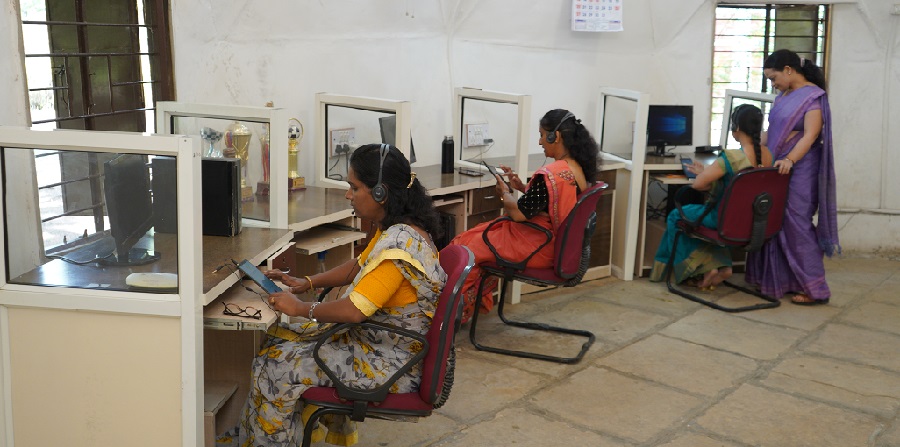
The Wadi programme has checked soil erosion and improved soil parameters. In addition to halting land degradation, the programme has resulted in increased livelihoods, resilience and nutrition. More than 2 lakh (0.2 million) families have adopted wadis, converting 35417 ha of degraded lands into sustainable productive assets while combating mitigation. More than 0.45 million families in 25 states have benefited from the Wadi approach adopted under the NABARD-supported Tribal Development Fund and with BAIF functioning as a Resource Support Organisation. Studies indicate that these wadis sequester roughly 23T C per ha over a period of 10 years.

Natural Resource Management: BAIF has also adopted several natural resource management and landscape development strategies. A comprehensive assessment of the current state of natural resources such as land, water and forests is followed by participatory planning and implementation of conservation and restoration measures. Based on the demand and available resources, several approaches such as watershed development, soil and water conservation, soil improvement, water management and silvipasture development have been implemented. The emphasis is on appropriate soil improvement practises such as the use of organic inputs and biochar, recycling of agricultural waste and low tillage practises. Specific measures are also adopted for the management of saline soils.

BAIF has promoted the IRESA programme, which uses cow dung to generate biogas with the resultant slurry turning into phosphate-rich organic manure (PROM) and serving as a rich source of nourishment for plants and replenishment of soils while substituting synthetic fertilisers.      

BAIF has already treated 3.6 lakh ha of land in 12 Indian states. These methods have slowed down land degradation, improved soil health and increased water availability, all of which have increased crop yield and fodder availability. This has resulted in surplus income for farmers and sustainable management of natural resources. Studies indicate that these strategies have also improved soil carbon while contributing to climate change mitigation.
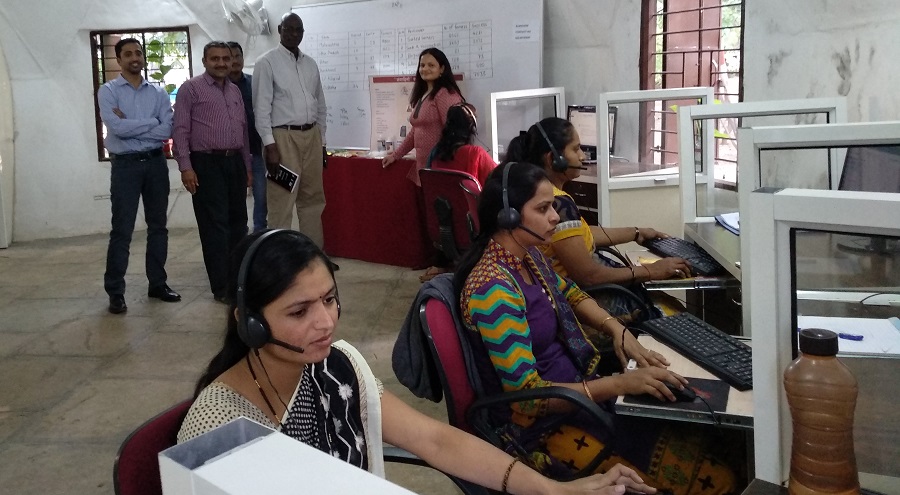
These climate change mitigation strategies are ensuring the restoration of land, improving soil moisture, biodiversity, farm yields and resilience of small and marginal farmers while contributing to poverty alleviation and Nationally Determined Contributions identified by the Government of India.

Contribution to Sustainable Development Goals


Mr. Yogesh Sawant

Chief Thematic Programme Executive
Farm-based Livelihood and Climate Action
BAIF Development Research Foundation

Linkedin Profile

Soil matters! Pathways to adaptation and mitigation!

Soil matters! Pathways to adaptation and mitigation!

Mr. Ravi Kote
June 05, 2023
Mr. Ravi Kote
June 05, 2023

Soil is vital to human life as it impacts major ecosystem services such as food, water quality, groundwater, stream flow and soil erosion. Soil plays a very important role in supplying nutrients and favourable physicochemical conditions to plant growth, promoting and sustaining crop production,  providing habitat for soil organisms,  reducing environmental pollution,   resisting degradation and maintaining or improving human and animal health. The major challenges impacting the soil ecosystem are rainfed farming, high soil erosion and climate risks, and lack of understanding about soil health and low crop yields.  Land degradation worldwide is considered to be the major reason for low productivity. The current agricultural practices and climate challenges are causing soil erosion faster than the natural process of replenishment of soils. Estimates indicate that nearly 50 percent of the irrigated land in arid and semi-arid regions have some degree of salinization. As per Indian Council of Agricultural Research (ICAR) reports, the area under problem soils has increased from 220 lakh hectares (2005) to 243 lakh hectares (2010). This indicates that there is scope for improving the health of problem soils in India and sustaining it by creating awareness,  promoting regenerative practices, and monitoring for ensuring healthy and secure food and water,  carbon sequestration, a healthy environment, and an ecosystem. Sustainable soil health management contributes to Sustainable Development Goals 2, 3 6, 13, and 15.

Soil Organic Carbon (SOC) is an important soil health indicator for its contribution to food production, climate change adaptation and mitigation. SOC can be lost as CO2 or CH4 can be emitted back into the atmosphere as eroded soil material or dissolved organic carbon washed into rivers and oceans.

Why is soil health important?

SOC management worldwide plays an important role in voluntary carbon markets as it is linked with carbon stocks. The turnover which may be in a few months,  years, or for an even longer duration, fetches carbon credits to farmers. The factors affecting SOC are climate- extreme events like drought, flood and rise in temperature, land use, vegetation, Hydrology (Water content) and Soil texture.

Practices to convert soil into net carbon sinks:

  1. Soil conservation measures such as contour bunds, vegetation/plantation/grass development on bunds, silvopasture, agroforestry, afforestation and forest conservation.
  2. Ensure proper drainage conditions in waterlogged soils, particularly in wetlands and rice fields which are the largest sources of methane emissions.
  3. Application of water in required quantity as well as quality.
  4. Integration of organic fertilizer and manure
  5. Use of vermicompost and biochar produced from unused crop residues and green manuring.
  6. Cover crops, crop rotation, and crop diversification.
  7. Integrated Pest Management.
  8. Supply balance plant nutrients based on soil tests and nutrient analysis.

Rambhau Wagh, a farmer from Parkhed village near Khamgaon, Buldhana district of Maharashtra, owns 1.2 ha land. He has always been encountering low productivity and high production cost. On realising the importance of healthy soils, he took up  vermicompost production  and sold the surplus  to  nearby farmers.

He established six beds of 3 x 1 x 0.75 m size to produce 0.25 tons/bed/cycle which is now fetching him  an additional income of INR 3500 per cycle.

Jyotiben Khatariya from Ambapur village in Gandhidham district of Gujarat was unable to cultivate her 5 acres of land due to high salinity. After observing the effect of   subsurface drainage  on others’ fields she replicated it on her land and was able to  fetch a good yield from cotton and mustard crops.

Burning of unused crop residue, a common practice among farmers in India,  contributes to carbon emission.  To address this issue, a Farmer Producer Organisation (FPO) established a biochar production unit which enabled farmers to sell their waste biomass to the FPO and  purchase biochar to apply it  on their fields. The FPO  was able to convert 100 tons of crop residues into 25 tons of biochar last year thereby   contributing to circular economy.

Likewise, the farmers in the Belikere watershed have a practice of using crop residues to improve the soil fertility and residue as mulch.

Thus, farmers not only contribute to Land Degradation Neutrality but also ensure food security through suitable  climate change adaption and mitigation strategies.

How can farmers be benefitted?

Selling carbon credits by adopting regenerative agriculture for carbon sequestration is now an opportunity for Indian farmers. Farmers can become carbon credit owners by managing soil health and use renewable energy for irrigation and home consumption.

  • Carbon Credit:One carbon credit certifies that one metric ton of carbon dioxide is removed from the atmosphere.
  • Carbon Markets aimat reduction in greenhouse gas emissions enabling the trading of emission units (carbon credits), which are certificates representing emission reductions.
  • Carbon Offsetting: Upfront support to farmers is helpful for claiming credits.
  • Benefits: The direct benefit to farmers is cash-based incentives for the carbon sequestered on their lands. On sequestering carbon equivalent to one carbon credit, farmers can earn approximately INR 800-1200 at current market prices which are likely to fetch a better price of INR 3,000-4000 in the near future.  There is potential to sequester one to four carbon credits per ha through the use of regenerative practices.  The indirect benefit is the improvement in soil health, increased water-holding capacity, lower soil density and increased water.
  • On boarding:  As individual farmer registration is not easy, farmers can be on board through farmer producer organisations or non-profits or commercial entities that provide related services.
  • Verification and Payments: Once the projects are listed, third-party agencies such as The Gold Standard, Climate Action Reserve, American Carbon Registry, Verra, SCS Global Services etc. verify the  After verification and approval, credits are sold in markets and the incentives are distributed to the FPO as well as to the farmers.

Mr. Ravi Kote

Chief Thematic Programme Executive
Natural Resources Management & Climate Action
BAIF Development Research Foundation

Linkedin Profile