Bee Conservations Solutions and Activities
1.Enhance Floral Diversity
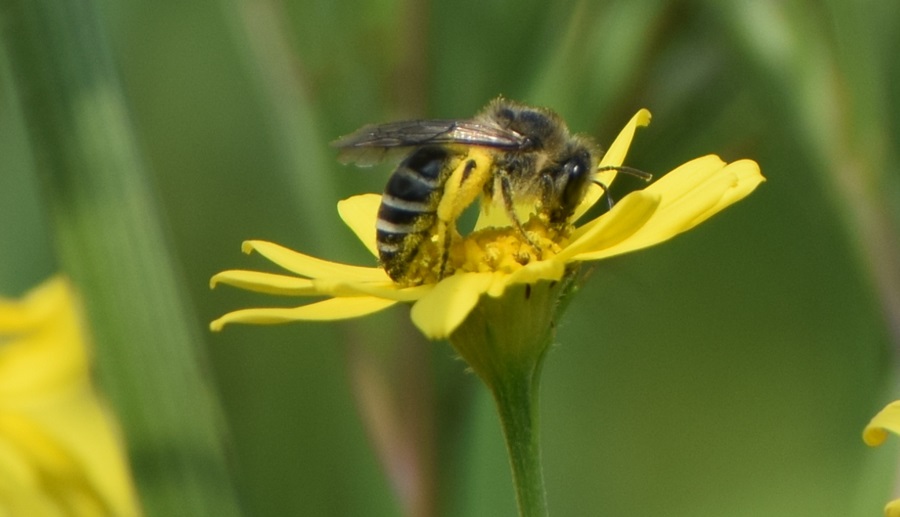
Why: Diverse Flowering Plants provide food year-round for a variety of bee species.
Activities: Establish Pollinator Garden using native flowering species in school grounds, community spaces and farm bunds. Promote intercropping and border planting with flowering plants like marigold, sunflower, niger, coriander and basil. introduce seasonal flowering trees and shrubs.
2.Create nesting habitats.
Why: Solitary and carpenter bees need specific habitats like open soil, wood cavities, and wall. crevices.
Activities: Install bee hotels using bamboo, wood blocks, and drilled logs. Leave patches of bare ground in farms and gardens for ground nesting bees like lasioglossum and Nomia. Avoid excessive tillage and land levelling in the off season. preserve mud walls, old trees and natural hedgerows.
3.Minimise pesticide Use
Why: pesticides are a major threat to both managed and wild bee populations.
Activities: Promote Integrated Pest Management (IPM) and use bio-pesticides like neem oil. Educate farmers on safe spraying times (early morning or evening when bees are less active) conduct farmer training on the impact of systematic insecticides like neonicotinoids.
4.Farmer and Community Awareness
Why: Long term conservation depends on local participation and understanding.
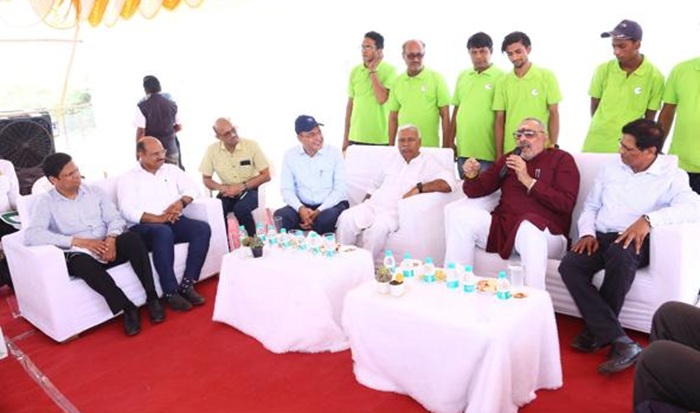
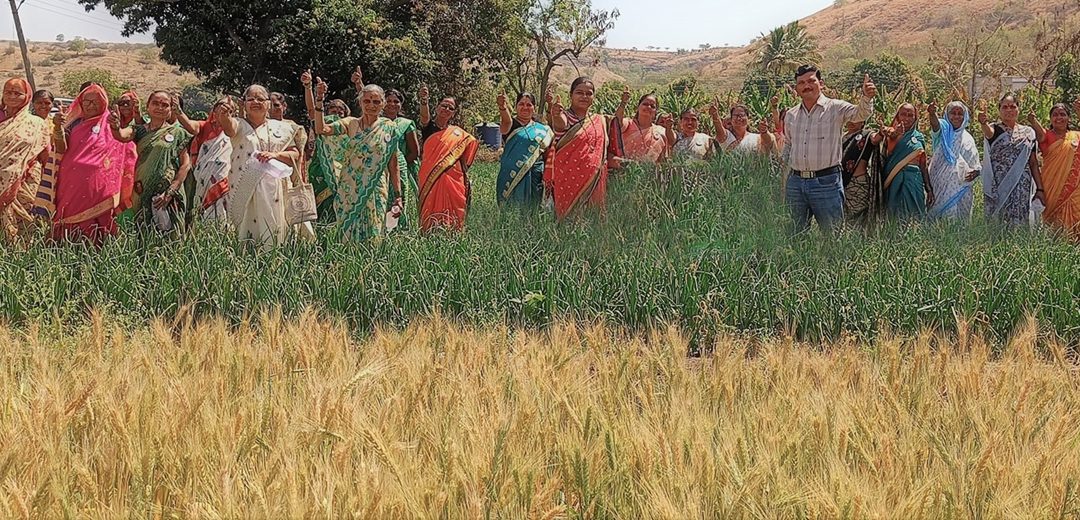
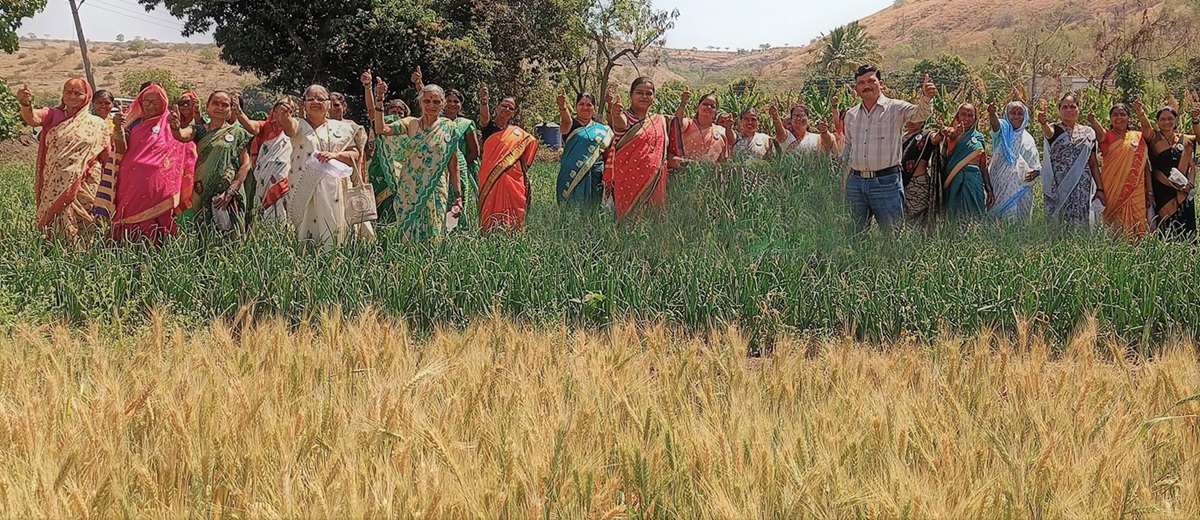
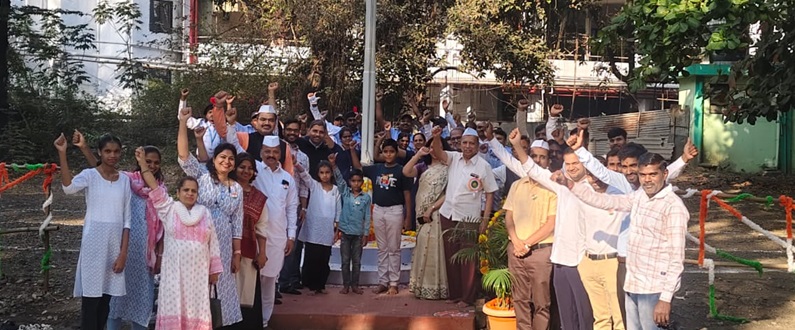
Activities: Conduct village-level awareness campaigns using posters, wall paintings. Street plays and short films. Train SHGs, Youth and School children on the importance of bees celebrate World Bee Day (May 20) through community events bee walks.
5.Monitoring and Citizen science
Why: Local Monitoring helps track trends and fosters a sense of ownership.
Activities: Encourage citizen science by training local youth to document bee sights (e.g. using platforms). Develop a seasonal monitoring protocol to track species diversity and abundance. Collaborate with local institutions for research and data validation.
6.Policy and convergence
Why: Integrating bee Conservation into existing rural programs ensures scale and sustainability
Activities: Integrate pollinator-friendly practices into MGNREGEA, Watershed Programmes and Agroforestry schemes, partner with FPOs and cooperatives to promote bee-friendly labelling and practices.
7.Promote Beekeeping and stingless Bee culture
Why: Beekeeping and Livelihoods and improve pollination.
Activities: Promote Apis cerana indica and Tetragonula iridipennis as an income-generating activity, especially for SHG and Youth; train framers in bee box maintenance, hive management, and honey processing; link bee products to local markets or agritourism initiatives. These activities together create a resilient, pollinator-friendly landscape that supports not just biodiversity, but also better crop productivity, climate resilience, and ecological balance.