Let’s Green Up to Cool Down this Earth Day!

Let’s Green Up to Cool Down this Earth Day!

Let’s Green Up to Cool Down this Earth Day!

BAIF pledges to continue its efforts to green Mother Earth through enteric methane emissions reduction, soil health management, land degradation neutrality, grassland management, promotion of renewable energy, carbon sequestration through agro-horti-forestry and adoption of nature-based practices in agriculture.

Acceleration of voluntary action for achieving net-zero emissions is the goal of BAIF and also that of every responsible organisation!

Remember! We have already crossed the safe planetary boundaries. So let’s bring back Humanity within the safe operating space of planetary boundaries by greening Mother Earth!

eDost – A Social Entrepreneur and Empowerment Model

eDost – A Social Entrepreneur and Empowerment Model

Ms. Pooja Majgankar
Mar 14, 2024
Ms. Pooja Majgankar
Mar 14, 2024

eDost, a women-centric programme initiated to address the existing digital divide and empower women in rural areas, holds great promise in bridging the gap between urban and rural communities in terms of internet accessibility and digital services. The initiative aligns with the broader Digital India Initiative, ensuring that the benefits of technology and the internet reach even the remotest villages.


The dual objectives of the programme – bringing digital services to the doorsteps of villagers and empowering women by providing livelihood opportunities – contribute significantly to inclusive development. By focusing on women, eDost recognizes the importance of gender inclusivity in the age of DigitAll, acknowledging the crucial role of women in the socio-economic development of communities.


Door-to-door delivery of digital services recognizes the need to make these services easily accessible, especially in areas where traditional infrastructure may be lacking. Through eDost, women can become active participants in the digital economy, contributing not only to their personal development but also to the overall growth of their communities.


Moreover, integrating aspects of skill development and entrepreneurship within the programme can enhance its impact. By equipping women with digital skills, eDost can pave the way for them to explore various opportunities such as online entrepreneurship, remote work, and participation in e-commerce platforms.


eDost has the potential to become a transformative initiative that not only addresses the digital divide but also empowers women in rural India. By fostering inclusivity and providing the necessary tools and education, this programme can contribute significantly to the vision of a digitally empowered and gender-inclusive society.


The journey of eDost in Pathardi village showcases a remarkable transformation in overcoming challenges and bringing digital services to a community previously deprived of mobile networks and internet access. The success story highlights the positive impact of the programme, especially in empowering women and creating a trusted network for financial services.


The observation that predominantly, it was the men in the village who owned hi-tech phones and women were unfamiliar with smartphones and the internet emphasized the need for targeted interventions. By identifying a semi-literate woman, preferably a daughter-in-law from the village and equipping her with a smartphone, eDost adopted an inclusive and strategic approach. This decision not only addressed the gender gap but also leveraged the potential of a local community member to act as a bridge between technology and the villagers.


The first and foremost step was to impart training to the selected eDost on the use of a mobile and how to conduct financial transactions through a fintech mobile application. This reflected the importance of digital literacy in enabling individuals to harness the benefits of technology. The initial challenge of gaining the confidence of the villagers in accepting digital financial services was expected, but the perseverance of the eDost and the gradual development of trust among the villagers demonstrated the effectiveness of the programme.


The paradigm shift whereby villagers proactively approach the eDost for financial services instead of traveling to nearby towns, not only saved time and resources but also indicated a growing reliance on digital services facilitated by the eDost. The programme has become a trusted source for financial transactions, demonstrating the potential for further expansion of services and influencing a larger number of people while responding to the demands of the villagers. The inclusion of essential services such as DTH recharge, bill payments and various e-governance services highlights the efficacy of the programme in transforming into am as an adaptable and comprehensive solution for the villagers.


With the inclusion of essential services such as PAN Card, Aadhaar Card, Train and Bus reservations, eShram card, Soil Card, Vaccination Certificates, Voter ID, Land record and Driving License, eDost has become a one-stop solution for various digital needs while reducing the need for villagers to travel to urban centres to avail these services.


The sustainability of the programme is ensured by a nominal service charge being levied for the services provided by the eDost which creates a source of sustainable livelihood as well as ensures value for the service being provided. This economic aspect is crucial for the viability and success of such an initiative.


The geographical expansion of the eDost programme into various parts of Maharashtra, Madhya Pradesh, Gujarat, and Odisha indicates its positive reception and scalability. The presence of over 100 eDosts actively providing digital services at the doorsteps of villagers signifies the potential for replication in other areas and tailored to suit the specific needs of diverse regions.

The eDost programme serve as a model by showcasing the transformative potential of grassroots-level initiatives in bringing about positive change through technology and digital empowerment. The role of eDost cadre as local digital service providers is evidently impactful, extending beyond the provision of digital services. Their contribution to the financial independence of women, support for education and overall positive influence on family dynamics underscores the broader societal benefits of the programme in the following ways:


1. Financial Independence and Empowerment: The eDost cadre is not only providing essential digital services but also creating economic opportunities for themselves. This financial independence is crucial for women empowerment and gender equality. By actively participating in the digital economy, these women are breaking traditional gender roles and contributing meaningfully to their households.


2. Education and Skill Transfer: The fact that these women are contributing to the education of their children highlights a positive cycle of empowerment as education is a key driver for social and economic progress. Their role in educating other women in the village in financial and digital literacy indicates the impact of the programme in creating a multiplier effect by spreading knowledge and skills within the community.


3. Community Building and Trust: The eDost cadre, by residing within the community, establishes a foundation of trust essential for the success and sustainability of digital initiatives. As these women gain the trust of the villagers through consistent and reliable services, it fosters a sense of community and shared responsibility.


4. Opportunities for eCommerce and Insurance Companies: The presence of the eDost cadre in remote villages creates an infrastructure that eCommerce and insurance companies can leverage. These local agents can act as intermediaries, facilitating transactions and bridging the gap between digital platforms and rural customers. eCommerce companies can use these local agents to establish last-mile connectivity, ensuring the delivery of goods and services to the most remote areas. Insurance companies can tap this network to cover rural populations and make insurance products more accessible and tailored to local needs.


In conclusion, the eDost cadre plays a pivotal role in transforming rural communities by not only providing digital services but also contributing to the socio-economic fabric of the villages while contributing to a more inclusive and digitally connected Rural India.

Ms. Pooja Majgankar

 Programme Manager
BAIF Development Research Foundation, Pune

LinkedIn Profile

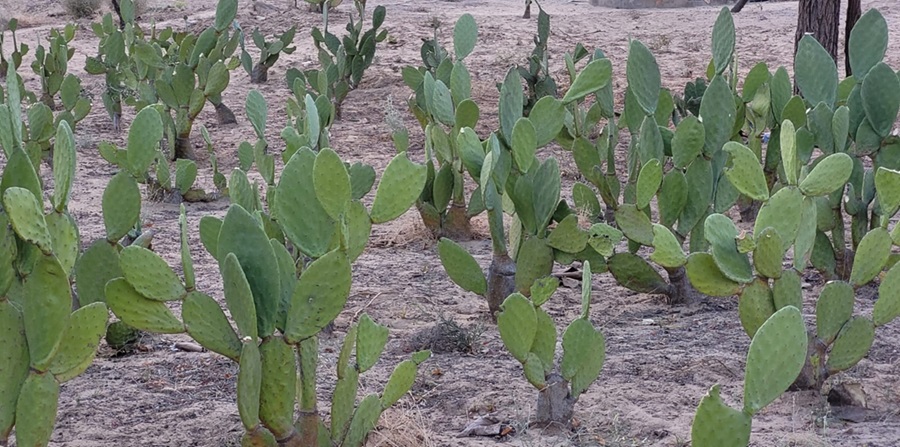
Pilot Park to promote Cactus as the Green Gold crop of India established in Pune

Pilot Park to promote Cactus as the Green Gold crop of India established in Pune

On March 11, 2024, Shri. Giriraj Singh, Hon. Union Minister for Rural Development and Panchayati Raj, Government of India, inaugurated the first of its kind “Pilot Cactus Park”, at BAIF’s Central Research Station at Urulikanchan near Pune. On the same day, Shri. Manoj Joshi, IAS, Secretary, Department of Land Resources, Ministry of Rural Development, Government of India, inaugurated the Cactus-based vegan leather plant on this occasion. Shri. Sunil Chavan, IAS, Secretary, Soil and Water Conservation Department, Government of Maharashtra and Dr. Bharat Kakade, President of BAIF were also present on this occasion. A joint venture of BAIF and Five F Agroecology LLP was conceived and which has led to the establishment of this pilot plant.

During his online inauguration of the first batch of vegan leather based on the objective to promote cactus-based products for Fashion, Food, Fuel, Fertilizer and Fodder (Five F) from spineless cactus at this pilot production plant and interaction with the project partners, the Minister, emphasized that cactus is the future crop of the country and expressed hope that with the extensive network of BAIF, cactus will be established as a economically viable green gold plant and will spread to various clusters in the country. Dr. Bharat Kakade, President and Managing Trustee, BAIF, briefed the Minister and attendees about various cactus initiatives of BAIF and applications in addition to vegan leather, viz. as Fodder for animals in dryland areas, Fuel production through Biogas fed by cactus, Liquid Organic Fertilizer and Food industry applications such as cactus juice, products being developed out of cactus and plans of BAIF for promotion of cactus for the benefit of the communities in different parts of the country. Shri. Ravi Madan, Five F Agroecology LLP, Mumbai and Shri. Mahesh Maheshwari from Miracle AgriGreen Solutions, Ahmedabad, expressed their confidence about the benefit to farmers from this energy-efficient cactus crop.

During his interaction with BAIF Scientists and Technical team, while acknowledging the pioneering work of BAIF in cactus promotion, Shri. Manoj Joshi also advised the joint venture team to ensure the economic viability of the project as well as minimum returns to farmers through cactus cultivation. He expressed the need for a buy-back arrangement of the cactus cultivated by the farmers through the project. He also advised working out the economics, formation of a committee and planning for the second round of the pilot project outside Maharashtra and the need to define the number of locations/clusters and area to be covered. He suggested starting with 7-10 clusters and then expanding it to 20-25 clusters in the country, which will not only instil confidence in the farmers but also keep the focus on cactus and enlist the support from the Government of India for the vegan leather project and for taking it from lab to land.

Shri. Sunil Chavan, Secretary, Soil and Water Conservation Department, Government of Maharashtra expressed the commitment of his Department to support the cactus cultivation initiative in Maharashtra.

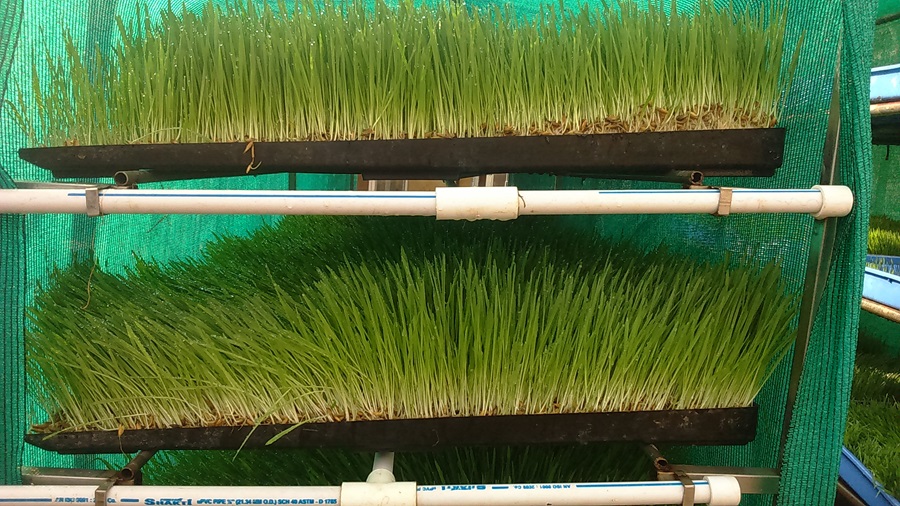
Dr. Vitthal Kauthale, Chief Thematic Programme Executive, Farm Research and Seed Programme, BAIF and In-charge of cactus research at BAIF, stated that there was no adverse effect on animals with their body weight being maintained and that it has become an ideal green fodder for harsh climate without any waste and with carbon sequestration potential. BAIF has been conducting adaptability and performance trial of spineless cactus accessions for fodder production since 2015 and has established an arboretum of 100 accessions of cactus. BAIF has also standardised propagation and production technology and established a protocol for feeding cactus to small and large ruminants and for technology transfer to farmers’ field by establishing over 800 demonstrations in Maharashtra, Andhra Pradesh, Gujarat, Rajasthan, Karnataka apart from decentralised cactus nurseries on over 3.20 ha at various campuses. BAIF has undertaken collaborative research with ICARDA, ICAR-IGFRI, CLRI, NIIST and Five F.

The senior BAIF members present on this occasion included Dr, Ashok Pande, Dr. Jayant Khadse, Mr Pramod Takwale and Dr. S.S. Roy. Shri. Dashrath Tambale, Director, ATMA, Pune, Shri. Ravindra Bhosale, CEO, Soil and Water Conservation Commissionerate, Maharashtra, Ms. Sujata Hande, District Water Conservation Officer and Shri. Subhash Lonkar, Sarpanch, Gram Panchayat, Tilekarwadi, Urulikanchan were also present on this occasion.

Gir Cow – The Heart of Gujarat:  Conservation Efforts of BAIF

Gir Cow – The Heart of Gujarat: Conservation Efforts of BAIF

Ms. Tejashree Shirsath-Kalbhor
Feb 22, 2024
Ms. Tejashree Shirsath-Kalbhor
Feb 22, 2024

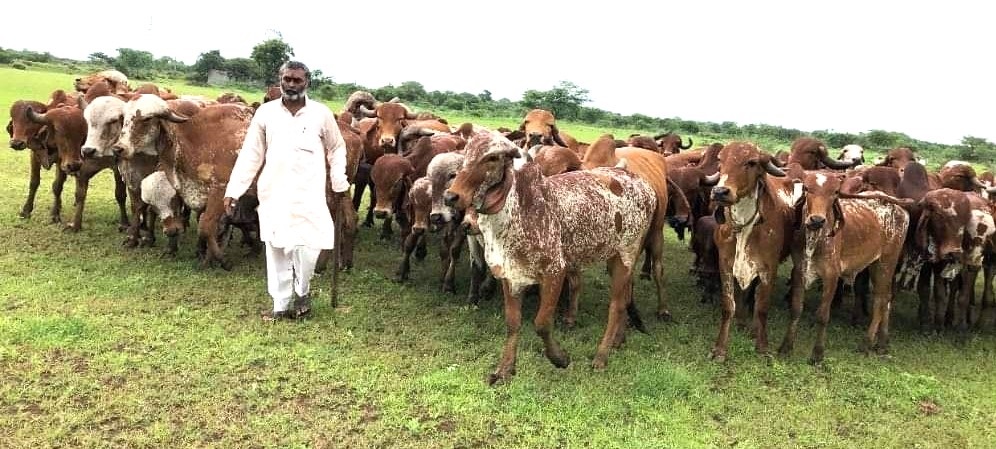
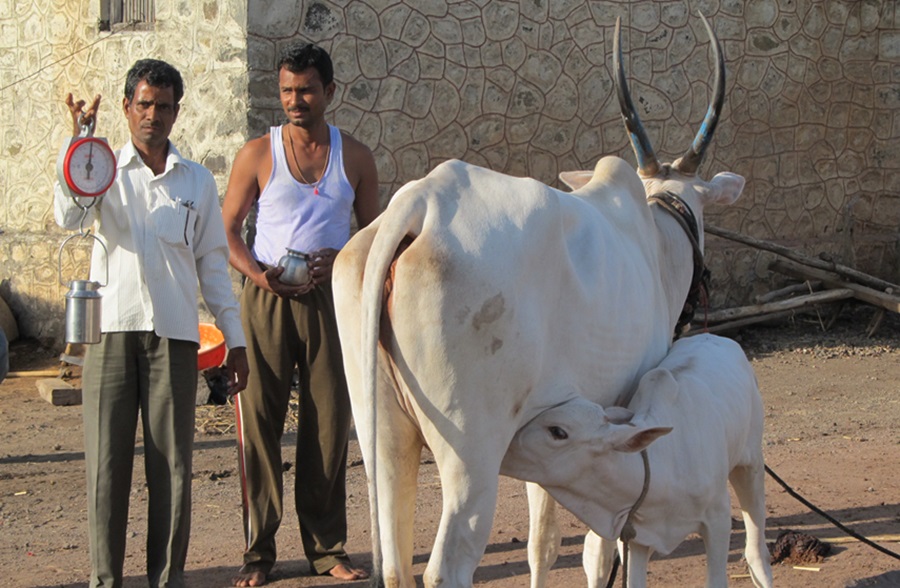
Amidst the scenic Gir forest dotting Saurashtra region of Gujarat, India, lies a treasure — the Gir cow. This local breed known for its unique qualities, plays a significant role in the farming system of this region. Join us as we dive into the world of the Gir cow, exploring its distinct features, historical significance and its role in sustaining livelihoods.

Intoduction:

The Gir cow hails from the Gir hills and the forested areas of Kathiawar and hence the name. Saurashtra region includes Junagadh, Bhavnagar, Rajkot and Amreli districts. The Gir cow is also known as Bhodali, Desan, Gujarati, Kathiawari, Sorthi and Surti across different sections of its breeding habitat.

Origin and Heritage:

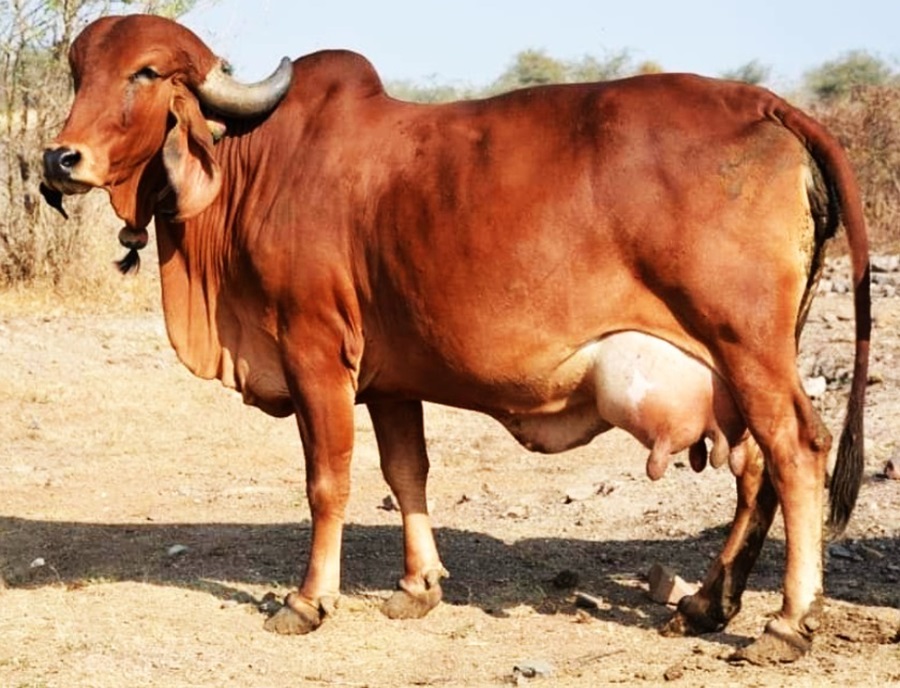
The Gir cow, scientifically known as Bos indicus, finds its roots in the Gir forest of Gujarat. This historic breed has been a companion to farmers for centuries, playing a crucial role in the agricultural landscape of the region. Its adaptation to the hot and humid climate, marked by a distinct hump and pendulous ears, reflects the flexibility that has been improved over generations… Its presence in the agricultural practices of the region dates back to several centuries. The breed has played an essential role in sustaining communities, providing not only nourishment but also contributing to the economy through dairy.

Gir Communities:

Behind this iconic breed lies the dedicated communities of livestock keepers who have safeguarded the legacy of this breed for generations and which also reveals the rich cultural traditions and the importance of preserving and promoting sustainable practices for the well-being of the communities and the cherished Gir breed. These communities are Maldhari, Bhrawad (Gaderia), Rabari, Ahir, Jaat, Barda Dungar, Sumara, Sama – Muslim, Charan and Kathiawadi who have discovered their integrated connection with the valued Gir cow.

Breeding Practices:

Gir breeding practices are steeped in tradition, with focus on maintaining the purity of the breed. Gir breeders wisely select parent cows and bulls, considering their family and physical traits. This careful matchmaking ensures that the distinctive features of the Gir cow are passed on through generations.

Management practices:

The Gir cow, a symbol of India’s rich agricultural heritage, demands careful attention and thoughtful management to thrive in various environments. As keepers of this royal breed, farmers and caretakers play an essential role in ensuring the comfort and efficiency of Gir cows. In this note, we will explore key management practices that contribute to the health, comfort, and overall achievements of Gir cows. Management practises involve Quality Nutrition, comfortable Housing, Healthcare and Record keeping.

Gir Morphometric characteristics:

This indigenous breed has distinctive morphometric characteristics that contribute to its uniqueness including the features of the head, characteristics of the eyes, hump size, skin coat colour, skin types, body size, udder attributes, teat placement, horn characteristics, tail features and type of hump.

Milk Production:

A true leader in the dairy world, the Gir cow is famous for its high milk yield. The milk, rich in butterfat, forms the foundation for the production of ghee and other dairy products. This quality has elevated the breed to a major player in the dairy industry. Renowned for its adaptability, the Gir cow sparkles in tropical climates. Its ability to withstand heat stress and resist diseases makes it a valuable asset for farmers facing environmental challenges. Milk yield per lactation is a critical parameter in assessing the productivity of Gir cows. The average yield of 2110 kg reflects a moderate to high production capacity. The range from 800 to 3300 kg underscores the variability in individual cow performance, emphasizing the need for tailored nutrition and management practices to optimize milk production. Milk fat percentage is an important element of the quality of dairy products. The average fat content of 4.6% positions Gir cow milk favourably for the production of high-quality dairy products. The range from 3.9% to 5.1% indicates a steady and appealing fat, contributing to the nutritional value and market appeal of Gir cow milk.

Conservation Efforts of BAIF:

Recognizing the importance of preserving this genetic treasure, BAIF has made significant efforts to conserve and promote the Gir breed through Indigenous Breed Improvement Programme (IBIP) and Enhanced Genetics Project (EGP). Conservation initiatives aim to maintain the purity of the breed, ensuring its continued existence for future generations. On-going conservation efforts ensure that future generations can benefit from the invaluable genetic traits of the Gir breed, securing its place in the agricultural heritage of India.


In the agricultural scenario of the country, the Gir cow stands as a testament to the cooperative connection amongst humans and livestock. Its adaptive nature, rich history and immense contribution to dairy farming make it a breed worth cherishing. As we navigate the challenges of modern agriculture, the Gir cow serves as a reminder to the need to preserve our agricultural heritage and embrace sustainable practices for the future. The Gir breed has gained popularity not only in India but also in other parts of the world due to its desirable characteristics. It is important in the context of livestock diversity and contributes significantly to the agricultural economy, particularly in dairy farming.

The journey does not end here. There is a need to continue efforts in collecting various insights into Gir cow and thereby contributing to conservation initiatives for Gir breed for livestock management.


Stay tuned with us for more updates…

Ms. Tejashree Shirsath-Kalbhor

Senior Information Technology Officer
Animal Genetics & Breeding Department
BAIF Development Research Foundation
Central Research Station, Uruli kanchan, Pune

LinkedIn Profile

BAIF Pune celebrates 75th Republic Day

BAIF Pune celebrates 75th Republic Day

Unbridled Patriotism, Pride and Passion marked the 75th celebration of India’s Republic Day at BAIF Head Office in Pune.

The ceremonial guard of honour was followed by the pride of our motherland – the tricolour being unfurled by Dr. Bharat Kakade, President and Managing Trustee, BAIF, in the presence of the BAIF team, security and administrative personnel and the future generation of the country – children.

Veteran BAIF member, Dr. Avinash Deo led the team by bringing to attention the need for water conservation which was reiterated by Dr. Kakade by highlighting the need to also focus on soil health management while implementing our livelihood programmes across the country. Mr. Shrinivas Kulkarni expressed the need for continued excellence, innovation and commitment towards our work. Dr. Alok Juneja felt that with its good presence in 14 states and recent entry into Goa, BAIF can easily aspire for spreading its good work all over the country. Others who spoke on the occasion included Mr. Sujit Gijare, Ms. Pritam Chandak and Ms. Sucharita Dhar.

Remembering with reverence, the Father of the Indian Constitution – Dr. B.R. Ambedkar and other members of the Draft Constitution Committee which had led to the enactment of the Indian Constitution 75 years ago, the Father of the Nation – Mahatma Gandhi and other national leaders who had paved the way for India to be declared as a Sovereign, Democratic Republic in 1950 and confidence in the progress of BAIF in the wake of Amrit Kal of the nation were the essence of the celebration.

The 75th Republic Day was also celebrated with feverish excitement in all the operational areas of BAIF across 14 states including the Karmabhoomi of the Founder – Dr. Manibhai Desai at BAIF Central Research Station, Urulikanchan near Pune.

Evolution of Livestock Data Capture: BAIF’s Journey with Data Logger Devices

Evolution of Livestock Data Capture: BAIF’s Journey with Data Logger Devices

Mr. Yuvraj Gaundare
Jan 16, 2024
Mr. Yuvraj Gaundare
Jan 16, 2024

Introduction:

BAIF is committed to improving the lives of the underprivileged across 14 states in India. To ensure efficient outreach of services to the farmers, a strong monitoring plan, efficient data collection systems, and advanced data analysis tools are necessary for ensuring accurate recording of field data with focus on precision.
 

Realising the need to improve its data collection and analysis systems, BAIF began its transition from traditional book-keeping system to modern electronic databases and introduced Data Logger devices in its field operations in the year 2005.

First Model: Tackling the Initial Hurdles

The initial model developed with the technical support of MDL Solution Ltd, aimed to capture reproduction data in selected Cattle Development Centres of Maharashtra. However, the following challenges were observed:

  1. Bulky Device
  2. Limited scope of operation
  3. Code-based entry and display
  4. Not user-friendly
  5. Short battery backup
  6. Difficulty in handling

Second Model: Progress in Efficiency

Building on the lessons learned, the second model had the following benefits:

  1. Smaller in size, the device was made more compact and portable.
  2. In-built Battery
  3. Increased Data Handling Capacity

However, challenges like display issues and limited data storage persisted.

 Third Model (PALM Mobile): Embracing Mobility

BAIF attempted to capture livestock reproduction data using a smartphone Palm Treo 680 model in its satellite form.

Features:

  • Data Download Facility: Streamlined data transfer processes.
  • Convenient Handling: A more user-friendly and portable device.
  • Flexibility: Improved flexibility compared to previous models.

Challenges:

  • Frequent power adapter failure
  • High cost of replacement after warranty expiry

Switching Over to Windows Phones: Embracing Progress

The experience gained from PALM mobile and subsequent unavailability of devices and service backup of PALM mobile as well as easy accessibility with affordable price of Windows smart phones led to the switchover to Windows-based software for capturing the data.

Fourth Model: Windows Phones

Windows phones First Generation was developed to examine Windows-based software – a suitable device with affordable price, HTC model P-3452 with Microsoft windows and mobile operating system 6.1/6.5 was selected during the initial project period. This model was able to ensure systematic data recording without any need to validate the data once it is warehoused in servers. The software used an architecture in which all the scenarios and processes were simulated to an object model. This model used to replicate the real-life scenario thereby ensuring that the data entered was pre-revalidated.


On the other hand, it gave intelligent responses and pre-emptive appointments and responses for possible scenarios. The system behaved like an interactive assistant at various levels like Centre In-charge, Area office, State office and Central office. As the technology became more advanced in the field of mobile computing, windows mobile 6.1/6.5 operating system was phased out by Microsoft being replaced with windows phone 7.1/7.8/8.0/8.1 Hence, the next generation of software application was developed with data, feature and functional continuity with previous generation software (Windows mobile 6.1/6.5).

First Generation:

Device: HTC model P-3452 with Microsoft Windows Mobile OS 6.1/6.5.

Validation and Intelligence: Systematic data recording with pre-validation and intelligent responses.

Second Generation:

Technological Advancement: Evolving with Windows Phone 7.1/7.8/8.0/8.1.

Continuity: Maintained data, feature and functional continuity from the previous generation.

Switching over to Android Phones

Following the phase-out of Windows phones after 2016-17, BAIF recognized the need to adapt and transition to Android smartphones. This shift marked a strategic move towards modernization, enabling a more streamlined and efficient approach towards livestock reproduction data collection. Acceptance of the online-offline model, BAIF introduced the “Godhan Seva” Android App specifically designed for Artificial Insemination Technicians (AITs). This innovative app, powered by TCS-DFI® (Tata Consultancy Services – Digital Farming Initiative), not only facilitated seamless data collection but also empowered AITs with a user-friendly platform.  The application also had a multi-language support. The transition to Android smartphones and the integration of the “Godhan Seva” app exemplify BAIF’s commitment to staying at the forefront of technological advancements for enhanced livestock management. More than 1200+ BAIF Artificial Insemination (AI) Technicians are using this application in the field and around 40+ lakh Artificial Insemination data is available since the past 6-7 years in digital form. Various research publications and articles have been published based on data collected through such modern technology in national and international journals.

Systematic representation of the current livestock data collection system

The systematic representation of the current livestock data collection at BAIF involves incorporation of additional add-on modules on body measurement, performance recording, disease and vaccination thereby reflecting a refined and comprehensive approach towards data management. This signifies a strategic enhancement in our data collection system, designed to capture a more detailed picture of livestock-related information. These add-on modules serve as supplementary components, addressing specific aspects of livestock data that may require specialized attention.

Dashboards and Reports for data visualization and monitoring

Various dashboards and reports have been precisely developed to facilitate effective data monitoring and downloading by the supervisory staff. These tools serve as integral components of our streamlined approach, providing real-time insights and comprehensive overviews of the collected data. The dashboards offer a visual representation of key metrics, enabling rapid and informed decision-making.

Future scope: A platform independent software solutions

 Currently, our focus is on developing a platform-independent software solution to ensure the adaptability of livestock data collection software solution across various devices. This strategic initiative is geared to enable deployment on a wide range of platforms, including Android phones and tablets, iOS devices, Windows phones and tablets, PCs, and desktop computers. By creating a software solution compatible with diverse operating systems and devices, we are striving to enhance accessibility and flexibility, allowing AITs to seamlessly utilize our application on their preferred devices. This approach reflects our commitment to provide a user-friendly and universally accessible tool for livestock reproduction data management across diverse technological ecosystems.

Conclusion

 In our relentless pursuit of efficiency and accuracy, BAIF’s experience with data logger equipment is a testament to our commitment to innovation in livestock reproduction data management. The evolving technology landscape serves as a catalyst for our continued dedication to inventing and implementing superior solutions. As we navigate the dynamic currents of technological advancement, our resolve to remain at the forefront of progress remains unwavering.  However, the journey does not end here.  We have to continue our efforts to adapt our methods to new possibilities and contribute to the ongoing transformation in livestock management. So stay tuned with us…

Mr. Yuvraj Gaundare

Thematic Program Executive
BAIF Development Research Foundation
Central Research Station, Uruli kanchan, Pune

LinkedIn Profile

Circular Bioeconomy Innovation Hub launched in India

Circular Bioeconomy Innovation Hub launched in India

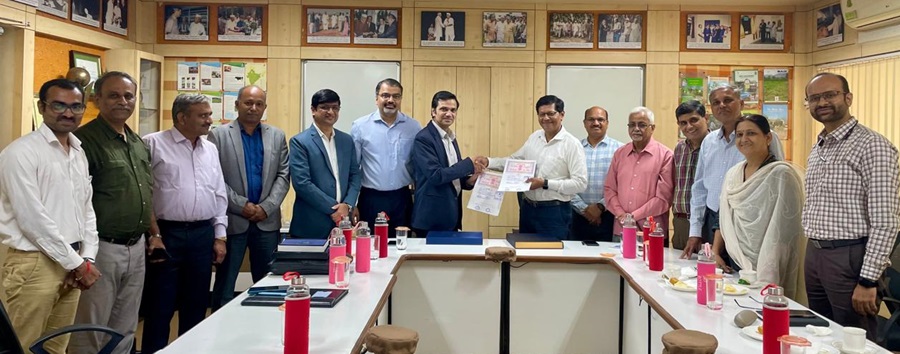
The five-nation One CGIAR Initiative – Nature+: Nature Positive Solutions in India inched ahead with the launch of the Circular Bioeconomy Innovation Hub (CBE-IH) as a virtual platform during the National level ‘’Pause and Reflect’’ meeting hosted by the ICAR-National Institute of Abiotic Stress Management at Malegaon, Baramati, Pune district of Maharashtra from December 14 to 15, 2023 in the presence of Leads, Co-Leads and Scientists from CGIAR centers – IWMI, Alliance Bioversity–CIAT and IFPRI, implementing partner organizations from India viz BAIF, NIASM, Baramati, MPKV Rahuri and NBPGR and start ups, businesses, educational and research organisations working on circularity. The Innovation Hub will be hosted by BAIF.

The One CGIAR Initiative aims to re-imagine, co-create and implement nature-positive solutions-based agri-food systems that equitably support food and livelihoods while ensuring that agriculture is a net positive contributor to biodiversity and nature with its five intertwined pillars – Conserve, Manage, Restore, Recycle and Engage.

Dr. Bharat Kakade, President and Managing Trustee, BAIF in his opening remarks highlighted the historical partnership of BAIF with ICAR and CGIAR centers and the close association with MPKV, Rahuri and NBPGR. While appreciating the circularity brought into the agricultural–food system which would help in achieving the goal of Nature-Positive, Sustainable, Green and Climate-smart economy, he pointed out that BAIF has already been focusing on nature-positive solutions while working on natural resources management projects.

He shared the collaboration between BAIF and INRAE, France for implementing the Living Lab initiative in India to achieve Agroecology-based, nutrition sensitive and resilient food systems by adopting a systems approach while understanding and factoring in various externalities like climate change, changing aspirations, demography, digitalization, rural–urban connect and shifts in policies and programme in India and at the global level.

He highlighted the role of livestock along with crops in Indian farming system and the need for an integrated farming system model, focusing on various resources and context-specific and inclusive actions. A circularity approach would certainly help achieve several goals of greening the economy, reducing emissions and carbon foot prints, creating jobs in rural areas, reducing waste in various forms and achieving resource recovery and efficiency.

The Circular Bioeconomy Innovation Hub, involving many stakeholders, aims to accelerate the bio-residue-based, waste-based businesses for supplementing the overall income of the farmers and create new growth avenues for the local communities. The Hub will strive to create required awareness, support system and ecosystem to facilitate a shift towards Circular Bioeconomy in India.
Indian Green Credit Programme: A step ahead of Carbon Credits

Indian Green Credit Programme: A step ahead of Carbon Credits

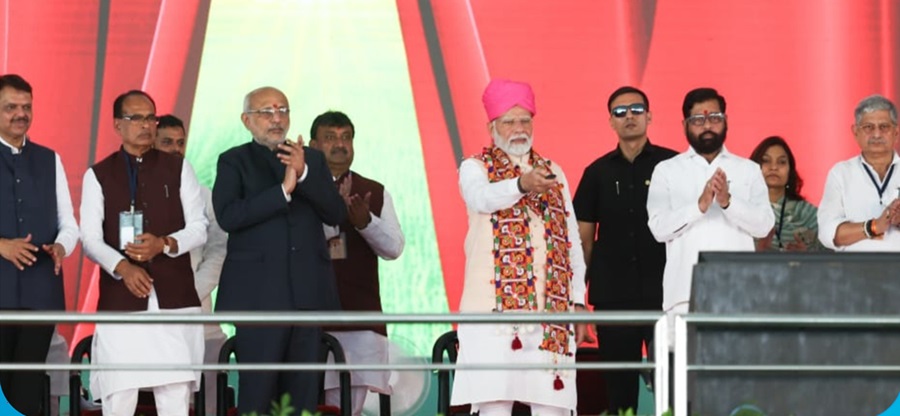
BAIF and other Civil Society Organisations have a major role in facilitating local individuals and entities to avail of green credits. Broadening of the Climate Change Perspective of India was evident when the Green Credit Initiative along with its web portal was launched at the high-level “Green Credits Programme”, jointly hosted by Hon. Prime Minister Narendra Modi and the President of UAE, Sheikh Mohammed bin Zayed Al Nahyan at the Global Summit on December 1, 2023. This initiative marked the transition from only carbon credit to green credit with anticipated far-reaching environmental benefits through local action and promotion of tradable credits. Shri. Narendra Modi likened the Green Credit to the health card of an individual and urged the global community to start adding positive points into the Earth’s health card. Earlier, while addressing the Opening Ceremony of the High-level segment at the Summit, Shri. Narendra Modi stated that “India has set before the world an example of the perfect balance of Ecology and Economy. Despite India having 17% of the world’s population, our share in global carbon emissions is only less than 4%.” This initiative is one more step in alignment with the Government of India’s ‘LIFE – Lifestyle for Environment’ – a grassroots, mass movement for protection and conservation of the Environment and Climate gains.

ICAR Recognises BAIF as a Voluntary Centre on Millets

ICAR Recognises BAIF as a Voluntary Centre on Millets

The Indian Council of Agricultural Research, New Delhi, the apex agricultural research institution in the country, has approved and recognised BAIF Development Research Foundation as a Voluntary Centre on Millets (Finger Millets) for conducting various evaluation trials under the All India Coordinated Research Project on Small Millets vide an approval letter F. No. 7 -23/2023-CS-FFC of December 6, 2023.

With ‘Mission Millets’ as its motto during the International Year of Millets and series of field-based programmes and exhibitions arranged by BAIF to showcase its pioneering work on popularisation of millets, this recognition gives a tremendous boost to the agro-biodiversity conservation being implemented by BAIF with special focus on revival and conservation of indigenous landraces of small millets cultivated by farmers in five tribal blocks of Maharashtra.

BAIF is already officiating as the approved Official Centre of theAll India Coordinated Research Project (AICRP) on Forage Crops and Utilization (AICRPFCU), Animal Nutrition and Cattle. It is also a Voluntary Centre of the All-India Coordinated Research Project on Sorghum. Under AICRP on Forage Crops and Utilization, the focus is on development of improved forage varieties and hybrids, generation of intensive forage production technologies, breeder seed production and technology transfer in the field. BAIF recently hosted the National Group Meet: Rabi 2023-24 in Pune where the President and Managing Trustee of BAIF, Dr, Bharat Kakade had proposed a voluntary centre on Small Millets at BAIF during his Keynote Address.

Healthy Soil for a Healthy Planet: Focus of BAIF

Healthy Soil for a Healthy Planet: Focus of BAIF

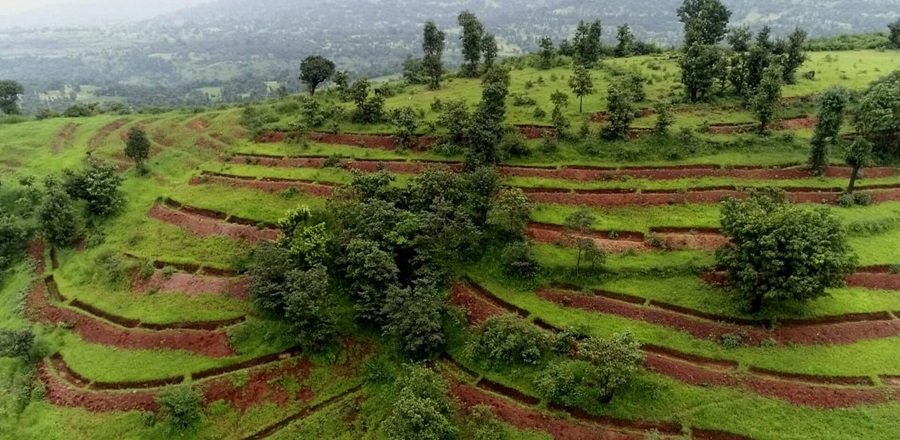
BAIF has adopted a Pro-Soil approach in all its land-based programmes. Based on this focus on Nature, BAIF has been implementing programmes with smart soil and water management practices which have enhanced the soil carbon content and also demonstrated the sustainability aspects through efficient soil and water conservation measures which have addressed climate change by opting for solutions that are nature-based and nature-positive. Thus, BAIF Programmes are designed not only to enhance livelihoods but also to conserve and regenerate precious natural resources and to ensure a shift from environmental destruction to environmental stability.

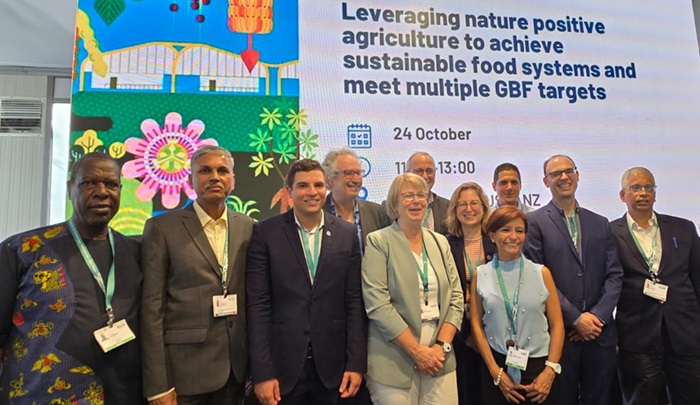
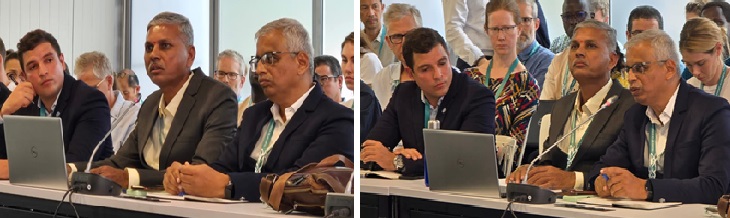
World Soil Day is being observed in various operational areas of BAIF across 14 states with a pledge to save soil and enhance soil health to ensure a healthy planet. BAIF delegation is currently participating in various sessions at the Blue Zone of COP28 in Dubai and sharing BAIF’s soil-sensitive and pro-soil approach which have increased the crop yield by 30-40% and decreased the use of external inputs while restoring the ecosystem.

Soil Health Management

Soil Health Management

Dr. Sagar Jadhav
Dec 05, 2023
Dr. Sagar Jadhav
Dec 05, 2023

India is an agricultural country. Hence, the economy of India is dependent on the agriculture sector. Agriculture and farmers have assumed unique positions in Indian society. The population is increasing day by day and along with the increasing population, the comforts and conveniences of people i.e. buildings, roads, settlements, industries and dams are also increasing rapidly. Therefore, the amount of arable land is gradually decreasing. The challenge is to satisfy the hunger of the growing population from the limited agricultural area. After independence, Green Revolution emerged and our traditional farming system started changing into a modern farming system.

To obtain more yield, we started cultivating hybrids and improved varieties of crops which gave maximum yield initially. But as crop production increased, so did the uptake of nutrients from the soil. This resulted in deficiency of different nutrients in the field and the amount of organic carbon in the field also decreased. We started using chemical fertilizers to overcome the deficiency of nutrients in the soil. Due to the balanced use of primary and secondary micronutrients, we were successful in increasing the productivity and quality of crops.

Chemical fertilizers have given us tremendous benefits. In the last 50 years, farmers have been using excessive amounts of chemical fertilizers in an unbalanced way in an attempt to obtain more production. Therefore, it started having an adverse effect on the availability of nutrients. For example, if the phosphorus content in the soil was high, micronutrients like zinc and iron in the soil were not available to the crops even though they were in the soil. Therefore, it is important to balance the nutrients with the right fertilizers to compensate for the nutrient deficiency in the soil.

Many farmers believe that the more water they give to crops like sugarcane, the higher will be the yield. Thus, farmers continue to water the crop even when it is not needed. As a result, the soil loses its nutrients. Some farmers dig wells and borewells in the fields and use the groundwater for irrigation. The amount of salt in such water is high. Due to the excessive use of such water in agriculture, the soils become saline and over time, these soils are converted into unproductive soil. Therefore, it is necessary to plan the watering of the agricultural field.

New hybrid varieties of crops have come into the market which enable farmers to receive maximum output from agriculture.  However, these crops are also attacked by various diseases and pests. Farmer can manage these diseases and pests by traditional, physical, mechanical, biological and chemical methods. In recent years, farmers are also in a hurry to receive quick yields and returns. To achieve this, they make excessive use of different chemicals which is much more than the recommended use. Thus, due to over-use of chemicals, the chemical residues accumulate in the soil and destroy soil beneficial microorganisms and degrade the quality of the soil.

To increase the area under cultivation, we have started clearing forests and establishing agriculture and thereby changing the landscape created by nature. As a result, the fertile soil layer on the surface of the land has started moving from one place to another. This is what we call soil erosion. Soil erosion adversely affects agricultural land. The fertile layer of the soil is lost, while in some places, the soil on the hill slopes is eroded and the materials such as mud, soil, stones, sand, etc., flow along with the flow of water and spread on the fertile land rendering the fertile land useless. In some places, there are problems of flooding, while in some places there is division of land. Soil erosion in this manner adversely affects soil health.

The UN General Assembly launched 2015 as the “International Year of Soils” under the theme “Soils: A Foundation for Family Farming” which aimed to create awareness in civil society and decision-makers about the fundamental role of soils in human life. Similarly, we are celebrating December 5, 2023 as “World Soil Day” under the theme “Soil and Water: A Source of Life”. The main purpose is to raise awareness of the importance and relationship between soil and water in achieving sustainable and resilient agrifood systems.

BAIF’s Initiatives on Soil Health Management:


  1. As more capital is required in modern agriculture, soil and water testing is extremely important. Regular soil and water testing is the key to planned and profitable farming. Under its Pro-Soil Project, BAIF Development Research Foundation undertook soil testing and distribution of soil health cards among the farmers in various land-based programmes followed by technical guidance by BAIFs Agricultural experts on soil test-based nutrient management to ensure balanced use of fertilizers based on the needs of the crops.

2. To prevent the top fertile layer of soil from being washed away with rain water, the hill slope soil was protected by adopting water-centric livelihoods for land degradation neutrality and soil carbon enrichment. Till date, BAIF has developed 789 watersheds covering 3,72,109 hectares area which has raised the groundwater table and green cover, improved micro-climate and increased agricultural productivity by 35 to 40 %. The estimated carbon sequestration/offset achieved through BAIFs initiatives on natural resources management, silvopasture, soil health improvement and efficient water use is about 1,00,000 t C per year.

3. To reduce the soil disturbance BAIF promoted direct seeded rice technology on 1102 ha in Andhra Pradesh and Bihar and zero tillage cultivation practices on wheat demonstrated on 3532 ha in Bihar.

4. With increased organic carbon content in soil, BAIF promoted green manuring activity with Dhaincha, Sunhemp and Navadhanya on 1000 ha at Prakasam, Palnadu and Eluru districts of Andhra Pradesh. To improve the organic carbon content in soil and alternative solutions for crop residue management BAIF promoted Biochar, vermicompost, farm yard manures, city compost, biodigester, bio-prom and decomposers in Maharashtra, Odisha, Telangana, Karnataka and Uttarakhand.

5. Generally, 33 % of the total area in any village, district or state should be under forest cover. To convert the uncultivated land into productive assets and increase the tree cover outside the forest, BAIF has been implementing the Agri-Horti-Forestry (Wadi) programme and has planted fruit and forestry trees on 89,000 ha. The BAIF Wadi model has been scaled up in 25 states with the support of NABARD. Two million tons of total estimated carbon has been sequestered through the wadi programme.

6. To reduce the production cost of farmers and to reduce the excess use of chemicals in agriculture, BAIF established 10 Drums, Jeevamrut, Bijamrit and Dashparni Neem Ark and Vermiwash units at the village level and guided the farmers on its preparation and application.

7. BAIF has promoted integrated pest management, bio-fertilizers and bio-pesticides under various projects.

8. To end mono-cropping system, BAIF has promoted and introduced alternative crops at farmers’ fields and maintained a crop rotation system.

9. To increase nutrient use efficiency BAIF demonstrated and promoted Briquettes technology in rice crops with 157 farmers at Bhor, Welhe, Rajgurunagar and Jawhar in Maharashtra.

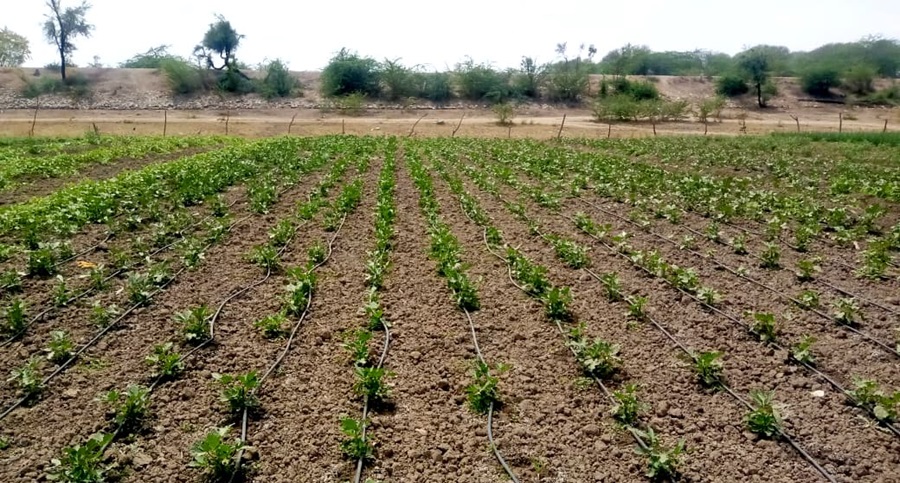
10. To increase water use efficiency and avoid excess use of irrigation water, BAIF has promoted Drip and Sprinkler irrigation systems. This has ensured conservation of 90 % of water and prevented soluble elements of our soil from being washed away.

Dr. Sagar Jadhav

Senior Research Officer
BAIF Development Research Foundation, Pune

BAIF Study Centre for Village Field Work

BAIF Study Centre for Village Field Work

BAIF has been functioning as a coveted study centre for Management students pursuing their post-graduation in Rural Management for many years. IRMA, Anand, a premier Institute for Rural Management in India, deputed six of their Post-Graduate Management students to BAIF Central Research Station at Urulikanchan on a six-week internship programme in partial requirement of the Village Fieldwork Segment of the PGDM-RM programme from October 9 to November 25, 2023. The field learnings of the host organisation – BAIF spanning over 57 years, served as a rich source of hands-on experience in rural development and management for the students prior to embarking on a career in rural transformation and renewal.