Government of Maharashtra signs MoU with BAIF and Axis Bank Foundation for Holistic Development of Gadchiroli

Government of Maharashtra signs MoU with BAIF and Axis Bank Foundation for Holistic Development of Gadchiroli

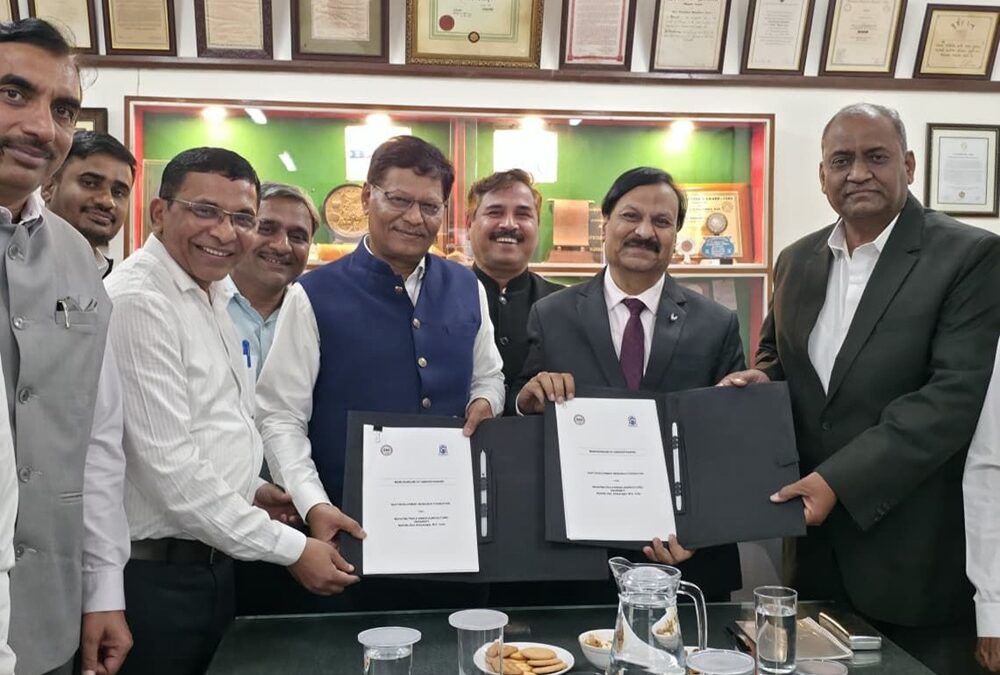
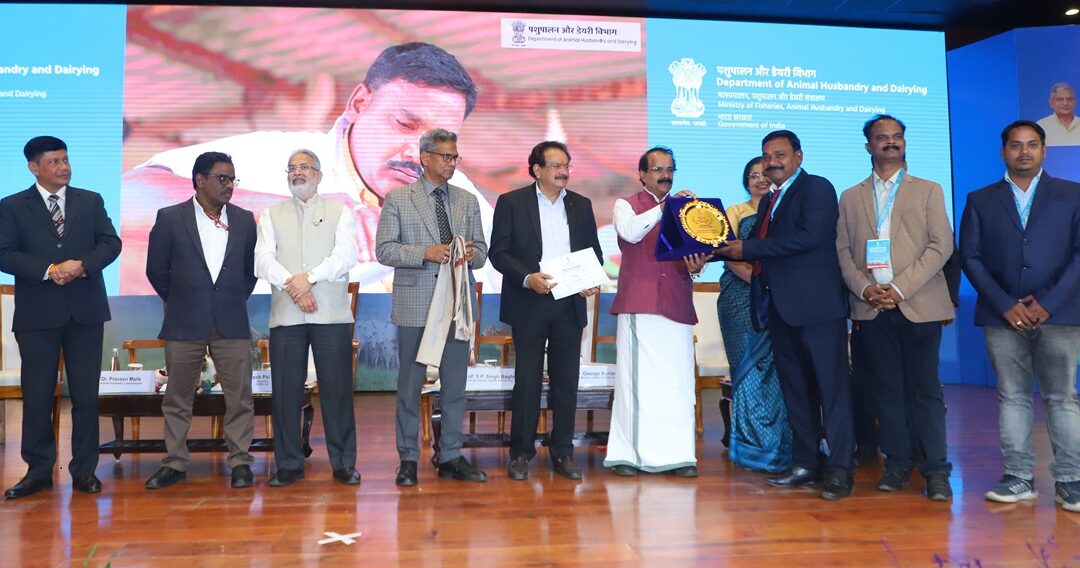
June 06, 2025: In a landmark collaboration, the Government of Maharashtra, BAIF Development Research Foundation and Axis Bank Foundation signed a Memorandum of Understanding (MoU) for inclusive development of Gadchiroli, Maharashtra in the presence of Hon’ble Chief Minister, Shri Devendra Fadnavis at Gadchiroli.


The event was graced by Mr. Avishyant Panda, District Collector, Gadchiroli, Dr. Bharat Kakade, President, BAIF, Dr. Raviraj Jadhav, Regional Director, BAIF, Mr. Advait Majmudar, Senior Vice President & Group Head, Government Coverage Group, Axis Bank and Mr. Kapil Bhatra, Assistant Vice President & State Head, Rest of Maharashtra, Government Coverage Group, Axis Bank. Mr. Shailesh Bhagat, Chief Programme Manager, BAIF, was also present on the occasion.


This partnership blends the strategic intent of Axis Bank Foundation’s Sustainable Livelihood Programme with BAIF’s strength of sustainable rural transformation. Together, this collaboration is committed to enhance livelihoods through resilient agricultural practices, improved livestock management, development of micro-enterprises and stable market linkages. The partnership focuses on scalable, sustainable solutions to improve the lives and livelihoods of rural communities of Gadchiroli.


Hon’ble Chief Minister Shri Devendra Fadnavis emphasized, “This alliance exemplifies how government, corporate, and civil society can unite to drive transformative change.”


Dr. Bharat Kakade, President BAIF, highlighted BAIF’s role in ensuring “Policy and finance translate into tangible improvements in people’s lives.”


Ms. Dhruvi Shah, Executive Trustee and CEO, Axis Bank Foundation, said, “Through our partnership with BAIF, we are working to enhance income-generating opportunities for rural households in Gadchiroli driven by collective efforts with local stakeholders.”


The ceremony concluded with a pledge to track measurable progress and publish annual impact reports, ensuring transparency and accountability in Gadchiroli’s development.


BAIF is committed to sustainable development and climate action for the reversal of the chronic poverty plaguing rural communities and guiding them towards improved livelihood opportunities through promotion of climate-smart technologies. BAIF along with NABARD, State Bank of India Foundation, R G Manudhane Foundation for Excellence and Cargill Business Services, has been implementing various development programmes for upliftment of Gadchiroli district.


Recognition for BAIF as a Scientific and Industrial Research Organization

Recognition for BAIF as a Scientific and Industrial Research Organization

June 02, 2025: BAIF Development Research Foundation with its strong commitment to Development Research and significant contribution to this sector, has once again been certified as a Scientific and Industrial Research Organization (SIRO) by the Department of Scientific and Industrial Research (DSIR), Ministry of Science and Technology, Government of India. This certification, valid for the period 2025 – 2028, enables legitimate access to technical support, resources and expertise, ensuring expansion of BAIF’s research capabilities, greater credibility and scope for global branding.

Wings of Sustainability: Tracking Native Bees in Rural Maharashtra

Wings of Sustainability: Tracking Native Bees in Rural Maharashtra

Mr. Vinod Borse
May 28, 2025
Mr. Vinod Borse
May 28, 2025
When we talk about sustainable agriculture and food security, bees – those tiny, often unnoticed creatures – play a mighty role. In the year 2024-2025, I surveyed 19 Diverse Locations in Maharashtra to observe and document the region’s bee diversity. The goal was to better understand our native pollinators and their presence in rural and semi-natural landscapes.

Why bees matter?

Bees are the most efficient pollinators in the natural world. They help in fertilising over 75% of the world’s crops, making them essential not just to biodiversity but to our plates as well. In recent years, however, changes in land use, chemical farming and habitat loss have placed enormous pressure on wild pollinators.

This survey was designed to collect baseline data which can provide information on conservation strategies and sustainable farming practices.

The survey: what we saw?

Between mid-2024 and early 2025, I visited 19 rural locations across Maharashtra. These included farmlands, forest fringes, and agroforestry zones – habitats where both domesticated and wild bees forage and nest.

A total of 12 species of bees was recorded, each with its unique ecological role and behaviour.

Bee Species Recorded


What the data tells us?

Top spot goes to Apis florea – a wild honey bee that builds open nests. It was seen most often and in the highest numbers (19 individuals), showing its adaptability to rural landscapes. Apis cerana indica the domesticated Indian honey bee, also showed good presence. Its coexistence with wild bees is crucial for both ecology and livelihoods. Carpenter bees like Xylocopa tenuiscapa (8 individuals) suggest that some natural nesting habitats still persist, possibly in wooden structures or hollow stems. Solitary bees like Amegilla, Nomia and Pseudapis appeared in small numbers. their low visibility may point to reduced nesting spaces or competition for floral resources.

Rare Bees such as Tetragonula iridipennis (a stingless bee) and Ceratina smargdula highlight the fact that the hidden world of tiny pollinators is often overlooked in agricultural landscapes.

Ecological Reflections

This Survey confirms that despite growing development pressures, many native bee species are still present in Maharashtra’s rural ecosystem. However, the relatively low numbers of several species raise red flags about their long-term survival.

What can we do?

  • Plant more native flowers to support year-round foraging.
  • Reduce pesticide use, especially during the flowering season.
  • Preserve nesting habitats – mud walls, tree hollows, hedgerows, and open soil.
  • Raise awareness among farmers about pollinators and role in crop yields.

Bees and the future of farming

Bees are natures tiny farmers. Supporting them support us. As. Climate change disrupts weather patterns and crop cycles fostering a rich pollinators community in a no regret investment for resilience, based on the bee diversity data collected from 19 locations in Maharashtra, several key observations emerge; species like Apis florea, Apis cerana indica and Xylocopa tenuiscapa are relatively common while others such as Tetragonula iridipennis and Ceratina samaragdula are rare. Solitary and less visible species are under-represented possibly due to habitat degradation, competition, or lack of nesting and floral resources.

Bee Conservations Solutions and Activities

1.Enhance Floral Diversity

Why: Diverse Flowering Plants provide food year-round for a variety of bee species.

Activities: Establish Pollinator Garden using native flowering species in school grounds, community spaces and farm bunds. Promote intercropping and border planting with flowering plants like marigold, sunflower, niger, coriander and basil. introduce seasonal flowering trees and shrubs.


2.Create nesting habitats.

Why: Solitary and carpenter bees need specific habitats like open soil, wood cavities, and wall. crevices.

Activities: Install bee hotels using bamboo, wood blocks, and drilled logs. Leave patches of bare ground in farms and gardens for ground nesting bees like lasioglossum and Nomia. Avoid excessive tillage and land levelling in the off season. preserve mud walls, old trees and natural hedgerows.


3.Minimise pesticide Use

Why: pesticides are a major threat to both managed and wild bee populations.

Activities: Promote Integrated Pest Management (IPM) and use bio-pesticides like neem oil. Educate farmers on safe spraying times (early morning or evening when bees are less active) conduct farmer training on the impact of systematic insecticides like neonicotinoids.


 4.Farmer and Community Awareness

Why: Long term conservation depends on local participation and understanding.

Activities: Conduct village-level awareness campaigns using posters, wall paintings. Street plays and short films. Train SHGs, Youth and School children on the importance of bees celebrate World Bee Day (May 20) through community events bee walks.


5.Monitoring and Citizen science

Why: Local Monitoring helps track trends and fosters a sense of ownership.

Activities: Encourage citizen science by training local youth to document bee sights (e.g. using platforms). Develop a seasonal monitoring protocol to track species diversity and abundance. Collaborate with local institutions for research and data validation.


6.Policy and convergence

Why: Integrating bee Conservation into existing rural programs ensures scale and sustainability

Activities: Integrate pollinator-friendly practices into MGNREGEA, Watershed Programmes and Agroforestry schemes, partner with FPOs and cooperatives to  promote bee-friendly labelling and practices.


7.Promote Beekeeping and stingless Bee culture

Why: Beekeeping and Livelihoods and improve pollination.

Activities: Promote Apis cerana indica and Tetragonula iridipennis as an income-generating activity, especially for SHG and Youth; train framers in bee box maintenance, hive management, and honey processing; link bee products to local markets or agritourism initiatives. These activities together create a resilient, pollinator-friendly landscape that supports not just biodiversity, but also better crop productivity, climate resilience, and ecological balance.

Mr. Vinod Borse (Entomologist)

Senior project officer
BAIF livelihoods, Maharashtra

LinkedIn Profile

BAIF Rural Innovation Centre for Empowerment of Rural Community

BAIF Rural Innovation Centre for Empowerment of Rural Community

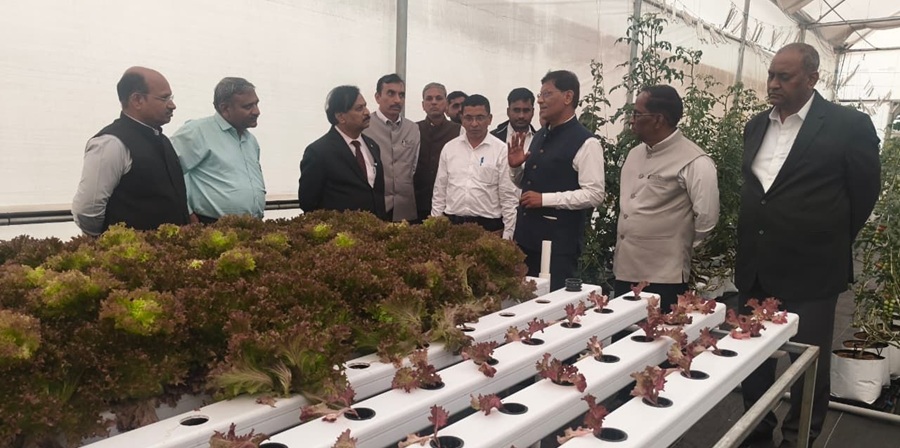
April 27, 2025: BAIF Rural Innovation Centre (BRIC) at Urulikanchan, Pune in Maharashtra, the first-of-its-kind Rural Knowledge Centre in a peri-urban area, was inaugurated by Shri. Giriraj Singh, Hon. Union Minister for Textiles, on April 27, 2025 in the presence of Dr. Bharat Kakade, President, BAIF, Shri. Sarveshwar Prasad Singh, MLC, Bihar, Shri. Ravi Madan, MD and Mr. Sanjay Agrawal, FiveF Agroecology LLP, senior officials from the Textiles Ministry and BAIF.


The Hon. Minister highlighted how a self-reliant rural economy can make a significant contribution to the Hon. Prime Minister’s mission of Atmanirbhar Bharat. He  emphasized the importance of scalable, replicable models implemented by BAIF through its on-going field programmes and by those being demonstrated at the Innovation Centre such as cactus value chain, plant propagation techniques, agrivoltaics, energy alternatives, soil enrichments, animal nutrition, animal genetics and land degradation neutrality initiatives in fostering climate mitigation and adaptation pathways while augmenting rural livelihoods. He encouraged BAIF to extend the high potential demonstrations at the Innovation Centre to various parts of the country.


Dr. Kakade in his address, stated that this innovation centre has evolved from the need to respond to the well-being and empowerment of the rural communities. He further stated that this unique centre will serve as a knowledge hub by providing information, resources and training on renewable and non-conventional energy technologies, livestock and dairy management demonstration. This centre will help generate employment opportunities for village youth through social enterprises and skills development, provide access to cutting-edge technologies and innovations and ensure scope for collaborative research. This innovation hub spread on 24 ha, will also focus on natural and organic farming practices along with artificial intelligence-driven technologies for promotion of sustainable climate-smart agricultural practices among the rural communities.

Floating solar panels on farm ponds, flexi solar panels on polyhouses, promotion of the Renkube Model to integrate solar energy generation and cropping, ground-mounted vertical solar panels, Bio-CNG unit, cultivation of high yielding hybrid Napier grass, spineless cactus arboretum and a vegan leather unit to demonstrate Cactus for Fodder, Food, Fuel, Fashion and Fertilizer are some of the proposed technologies. It is also planned to demonstrate wind energy and green hydrogen, smart heat management for drying vegetables, storage of grains and other products and a modern dairy farm of indigenous cows.
 
The Hon. Minister was accompanied by Shri Anil Kumar, IRS, Director, Ministry of Textiles, Shri Kartikya Dhanda, Secretary, Textile Committee, Government of India, Shri Chandrashekhar Singh, Senior Assistant Director, DC Handicrafts, Shri. Hanumant Rao Gaikwad, BVG India and Shri Satish Kumar Singh, Director, Office of the Textile Commissioner.

Apart from BAIF Senior team – Dr. Jayant Khadse, Mr. Rakesh Warrier, Mr. Pramodkumar Takawale, Dr. Vitthal KauthaleDr. Sachin Joshi, Dr. Shivaji Sontakke, Dr. Rahul Bahulikar and Mr. Sadashiv Nimbalkar, progressive leaders of Urulikanchan region were also present on this occasion.

BAIF receives Earth Care Award for Community-based Climate Action

BAIF receives Earth Care Award for Community-based Climate Action

April 16, 2025: The community-led climate actions of BAIF once again received national recognition! BAIF became a recipient of the prestigious JSW-The Times of India Earth Care Award among more than 1500 entries. The 12th edition of the awards, held on April 16, 2025 in Mumbai, honoured BAIF for its community-oriented approach towards climate action with solutions which are replicable in various parts of the country as well as in other developing countries. BAIF received the award at the hands of Sangita Jindal, Chairperson, JSW Foundation, Rajat Gupta, Senior Partner-Sustainability Practice, McKinsey & Company and Sivakumar Sundaram, CEO (Publishing) of the Times Group and were joined by the Programme-supporting organisation – HUL Prabhat team on this occasion.​

The community-based project entitled “Breakthrough solutions for natural resource management and effective use of water” which is being implemented by BAIF with the support of Hindustan Unilever Limited (HUL) in 25 villages of Khamgaon, Buldhana, Silvassa in Dadra and Nagar Haveli and Kutch since 2019, has proved to be a boon for 12,243 farmers as it has led to conservation of 6.46 billion litres of water and saved 9.9 billion litres through suitable soil and water conservation measures, groundwater recharge and micro-irrigation systems such as drip and sprinkler irrigation systems. Crop diversification, improved agricultural practices on 8556 ha, vegetable cultivation and promotion of agri-horti-forestry have given a boost to the crop yield and income of farmers of Rs. 42 crores, while nurturing the environment.​

In his address, President of BAIF, Dr. Bharat Kakade, highlighted the vulnerability of the communities – almost 60% of whom are dependent on agriculture which is again dependent on the vagaries of nature. BAIF is working on adaptation measures for building resilience and livelihood of 4 million families across about one lakh villages in various parts of the country, to fight against climate impact by reducing methane through livestock management and by reducing carbon emission through water, soil and crop management for ensuring natural resource management. He expressed his gratitude to HUL for their wholehearted support and to JSW and The Times of India for recognising the good work of BAIF.

BAIF Napier Hybrid recognised by ICAR

BAIF Napier Hybrid recognised by ICAR

April 07, 2025: BAIF Napier Hybrid-26 (BNH-26) has been recommended by the Ministry of Agriculture and Farmers Welfare, Government of India, for cultivation and release as an agricultural crop in Gujarat, Chhattisgarh, Madhya Pradesh, Maharashtra and Uttar Pradesh vide its notification of April 7, 2025. BAIF Central Research Station, Urulikanchan, Pune, is a designated Centre of the All India Coordinated Research Programme on Forage Crops (AICRP) of ICAR, for more than four decades. Its advanced research studies on agricultural crops, have helped farmers all over the country to cultivate improved fodder varieties with higher returns.​

Empowerment of Traditional Healers for strengthening Tribal Health

Empowerment of Traditional Healers for strengthening Tribal Health

Dr. Poonam Patil
Apr 07, 2025
Dr. Poonam Patil
Apr 07, 2025

Community health is crucial for ensuring longer, healthier lives, addressing health disparities, and increasing access to care, education and engagement. Communities which respond to critical health initiatives such as hygiene, nutrition, chronic diseases and mental well-being enjoys higher life expectancies with better health indicators.

India’s tribal population which is 104 million or 8.6% of the total population, faces significant health challenges, including higher rates of infectious diseases like malaria and tuberculosis, malnutrition, and non-communicable diseases like diabetes and heart disease with lower life expectancy. Key factors affecting community health include access to healthcare, affordable housing, nutritious food, social support and a healthy environment.

In tribal areas, inadequate access to comprehensive primary health care services, hygiene, sanitation and lack of awareness, are the primary reasons for poor health status of the community. In view of this, there is an urgent need to develop suitable mechanisms to bring low-cost, affordable and accessible healthcare systems to rural and tribal areas for ensuring access to health by everyone.


Herbal traditional systems led by traditional healers and well accepted by the community can be integrated into the system to take care of the primary health needs in villages at a nominal cost. Their knowledge needs to be systematically documented, promoting cultivation and propagation of medicinal herbs which can ensure sustainability. There is a need to harness the traditional healthcare system to supplement the mainstream healthcare mechanism in the country.

Need for Empowerment of Traditional Health Practitioner (THP)


  1. Lack of access to comprehensive primary health care services by the tribal community
  2. THPs are the primary point of contact for health services without authentication.
  3. Lack of modern knowledge and equipment for mainstreaming with the present health practices.

BAIF is addressing these challenges with livelihood generation and focussing on preventive health to improve the quality of life of tribal and rural communities through the following initiatives:


  • Empower and enhance the quality, security of health care services to rural and tribal community through traditional healers.
  • Authentication of THPs by Quality Council of India (QCI) Conserve, promote native medicines through Healers channel.


Tribal healers serve as essential connectors to bridge the healthcare gap and achieve these goals.


Community benefits


  • Accessibility
  • Availability of improved comprehensive primary health care services.
  • Linkages with modern health care system.


Environmental benefits


  • Conservation of Biodiversity
  • Sustainable Resource Management


Individual benefits


  • Increased income as supplementary livelihood
  • Authentication
  • Quality of life.


Conclusion


This health care model integrates traditional healing practices with modern healthcare with the goal of improved healthcare in tribal villages. Traditional medicine moves closer to culture and is available at an affordable cost thereby preventing exploitation. As Indians are accustomed to dietary restrictions, it becomes an integral part of traditional medicine and thereby increases acceptance among the community. The community are able to avail of primary health services in the village itself with the creation of a cadre of Traditional Health Practitioner (THPs) who remain an essential aspect of the complementary healthcare system in tribal areas. This system showcases a unique Health Delivery model for further scaling up and replication in other tribal regions of the country.

Case Story : A ray of hope for tribal families


Smt. Manjulaben Patel, a certified tribal healer from Amdha village in Valsad district of South Gujarat, has become a beacon of hope for her community. Prior to the certification through Vasundhara trust her skills and knowledge were unrecognized. However, her passion and dedication for healing, led her to assist other tribal healers and offer free healthcare to the tribal families. Despite a modest background, Manjulaben actively learnt and expanded her expertise in naturopathy through training received at the Nature Cure Ashram at Uruli Kanchan, Pune.

Her active participation in various forums such as Healers meet, Academic institute interactions and a Congress on “Ayurveda” helped strengthen trust among the community. As a result, her livelihood and quality of life improved significantly. Today, she earns an average of ₹70,000 per month and has established her own healthcare centre, “Charak Vanoushodhi Evam Kudarati Prathama Upchar Kendra,” where she provides treatment for various ailments such as paralysis, arthritis, joint pain, diabetes and women’s health issues. So far, she has treated around 11,200 patients.

Manjulaben also promotes traditional medicine and conservation of medicinal plants through the herbal garden established by her. As a mentor, she guides young healers and offers valuable knowledge on the use of herbs to local colleges.  Her journey is an inspiring example of how Women healers can make a significant impact on their communities and also enjoy improved quality of life.

Dr. Poonam Patil

Community Health Specialist
BAIF Development Research Foundation, Pune

Linkedin Profile

Empowering Women through Collective Health Insurance:  The BAIF Swayamsahayata Vima Samiti Initiative

Empowering Women through Collective Health Insurance: The BAIF Swayamsahayata Vima Samiti Initiative

Mr. Hanumant Bhosale
Apr 02, 2025
Mr. Hanumant Bhosale
Apr 02, 2025

Introduction:


​In a world where healthcare accessibility often seems like a privilege rather than a basic right, the BAIF Swayamsahayata Vima Samiti initiative stands out as a beacon of hope. Established in 2002, this innovative health insurance programme responds to the health needs of 1,281 women from 81 self-help groups (SHGs) across 30 hamlets covering 10 villages of Haveli and Daund in Pune district of Maharashtra. By facilitating discussions on the problems encountered by these women in accessing reliable health care services, BAIF Development Research Foundation has addressed the critical issue of lack of priority towards women’s health due to financial constraints.

Identifying the Problem:


During a workshop attended by representatives of various SHGs, it became evident that women’s health concerns were not mobilising adequate attention. The analysis revealed two significant challenges:

  1. Lack of Designated Health Funds: Rural households often did not allocate any funds for addressing the health of women in the household expenses.  In the absence of financial support, the health of women was generally neglected.
  2. Neglect of Minor Health Problems: Many minor health problems were ignored, resulting in their escalation. This neglect created a deterioration in the health condition which could have been prevented with timely intervention.

Realising the urgent need for a structured approach to health care of women, the Swayamsahayata Vima Samiti (Self-Help Insurance Committee) was constituted at the wadi-vasti as well as village level.

Collaborative Effort and Support:


Swayamsahayata Vima Samiti was formed due to the joint effort of BAIF, GTZ Germany (a government-owned organisation for international cooperation), Maharashtra State Health Department and Life Insurance Corporation of India (LIC). This effort enabled women to receive priority attention and to access affordable health insurance benefits.  For a nominal annual premium of Rs. 200 to Rs.250, women could secure themselves against ill health and ensure coverage of various health care expenses.

Health Coverage Benefits:


​The scheme enabled women to manage and benefit from their health insurance collectively. All the 21 villages participating in this health scheme, elected a representative to establish an insurance committee. This committee managed funds by opening bank accounts for the members in nationalised banks and facilitated the payment of the annual premium. The scheme offered the following health coverage for rural women:

  1. Hospitalisation Coverage: In the case of hospitalisation for conditions covered under the scheme, insured women could access financial support up to Rs.5,000, including coverage for expectant mothers.
  2. Accidental Coverage: Minor injuries from accidents were covered with women receiving Rs.25,000 as assistance along with medical expenses.
  3. Permanent Disabilities: In the unfortunate event of a permanent handicap resulting from an accident, the affected individual was entitled to receive up to Rs.50,000.
  4. Death Benefits: The scheme offered Rs.20,000 for natural deaths and Rs.50,000 for accidental deaths thereby providing significant support to the bereaved families.

Additional Benefits​:


This unique health insurance scheme also provided the following additional benefits to its members:

  1. Scholarships for Children: To encourage education among children, the scheme provided Rs.100 per month scholarship for children of committee members scoring high marks in 9th to 11th standards. This initiative not only recognised academic excellence but also supported unfortunate families to continue the education of their children.
  2. Subsidised Treatment: Committee members who availed of treatment at the Nisargopachar Ashram at Uruli Kanchan near Pune, benefitted from subsidised boarding and treatment expenditures while benefitting from nature cure.
  3. Loan Facilities for Claims: For those applying for claims, a loan of either Rs.3,000 or 50% of the claim amount (whichever was lower) was available at half the rate of interest charged by SHGs thereby providing immense financial relief during emergencies.
  4. No-Claim Bonus: To reward members who had not claimed any benefits for consecutive five years, a no-claim bonus of Rs. 300 was instituted. This initiative encouraged health management and preventative health care through counselling by doctors and regular health check up.

Claim Process:


The process for claiming benefits was simple and efficient. Each village-level representative collected the claim documents every month, ensuring that all the committee members could have access to their entitled benefits. Claims were settled on the last Saturday of every month, with payments issued to the claimant or their dependents and deposited immediately in their bank accounts.

Impact:


The impact of the Swayamsahayata Vima Samiti initiative has been far-reaching. Improved health outcome for women members of various SHGs have led to visible changes in their livelihood and well-being of their families. The programme has fostered a sense of community solidarity and empowerment and equipped women with the much needed awareness and resources for assured health care.

Financial Overview and Sustainability:


A crucial aspect of the success lies in its financial structure. The cost break up of the Jeevan Beema Yojana (JBY) demonstrates a clear allocation toward health sustainability.

  • Medi-claim: Rs. 135
  • LIC JBY: Rs. 50
  • Medical Check Up: Rs. 30
  • Field Guide: Rs. 30
  • Administrative Charges: Rs. 30
  • No-Claim Bonus: Rs. 25
  • Total: Rs. 300

This structured financial approach ensures that the programme remains sustainable while maximising benefits.

Conclusion:


The BAIF Swayamsahayata Vima Samiti is a transformative initiative for women’s health care in rural India. By prioritising healthcare expenses, empowering women through collective action and providing accessible health insurance, the programme has created a resilient community capable of reaching out to one another in times of need.   As more and more women join SHGs and take part in this initiative, the impact on the families and communities will continue to grow. The path towards health equity and empowerment is lit up by the commitment and collaboration of women determined to take control of their health and well-being.

Call to Action:  


​For more details on the Swayamsahayata Vima Samiti initiative or to learn how you can support similar programmes in your community, please contact Mr. Hanumant Bhosale (E-mail: bhosale.hanumant@baif.org.in). Together, we can pave the way for a healthier future of rural women and their families.

Mr. Hanumant Bhosale

Joint District Programme Officer
Community Health Research Centre
BAIF, Uruli Kanchan, Pune

Linkedin Profile

Kathani: 51st Newly Registered Cattle Breed

Kathani: 51st Newly Registered Cattle Breed

Dr. R. L. Bhagat
Mar 24, 2025
Dr. R. L. Bhagat
Mar 24, 2025

Introduction:

After completion of the survey, evaluation and characterization of the lesser-known cattle population from Vidarbha region of Maharashtra during the period November 2017 to March 2020 under the National Bureau of Animal Genetic Resources (NBAGR), Karnal, BAIF applied to NBAGR to register this lesser-known cattle population at the national level with a recommendation from the Animal Husbandry Commissioner of Maharashtra State. Subsequently, this breed was registered as the 51st cattle breed out of 53 breeds at the national level. This is the second registered cattle breed from Vidarbha region the first being the Gaolao breed.

Genesis

Review of literature, Central Provinces District Gazetteers of the-then Chanda district Volume A, originally printed in 1909 and an article published in the Indian Journal of Animal Sciences (Vol. 83 Issue 6) in 2013 by Sajal Kulkarni, R L Bhagat, A B Pande and S B Gokhale provided some information on this breed. Discussions with animal owners and villagers indicated that they were not aware of the name of the breed and these unnamed animals were either recognized as nondescript or called ‘Local’, ‘Gavathi’ or ‘Mulakhi’. These animals were referred to as “Telangpatti” in Chanda district Gazetteers. On various visits to cattle owners, it was observed that earlier this area known for pulses grown locally and called ‘Kathan’ with some elderly farmers also stating that there was a ‘Kathani’-named local jowar variety, which however has vanished. These unnamed animals consumed ‘Kathani’ jowar straw as a source of fodder and hence derived the name ‘Kathani’. The presence of a ‘Kathani’ river near Gadchiroli city which joins Waingangā River, has made most cattle owner believe that as these animals have been found in the Basin of the Kathani River, hence, these animals might have derived the name ‘Kathani’.

Breeding area:

The Kathani cattle is mainly found in Gadchiroli, Gondia and Chandrapur districts. For survey purpose, four tehsils each from Gadchiroli and Gondia districts and five tehsils from Chandrapur district were selected. The tehsils from Gadchiroli were Aheri, Etapalli, Chamorshi and Dhanora. The tehsils from Gondia were Arjuni Morgaon, Deori, Sadak Arjuni and Salekasa. Chimur, Gondpipri, Mul, Pombhurna, and Sindewahi tehsils were the identified tehsils from Chandrapur district.

Housing:

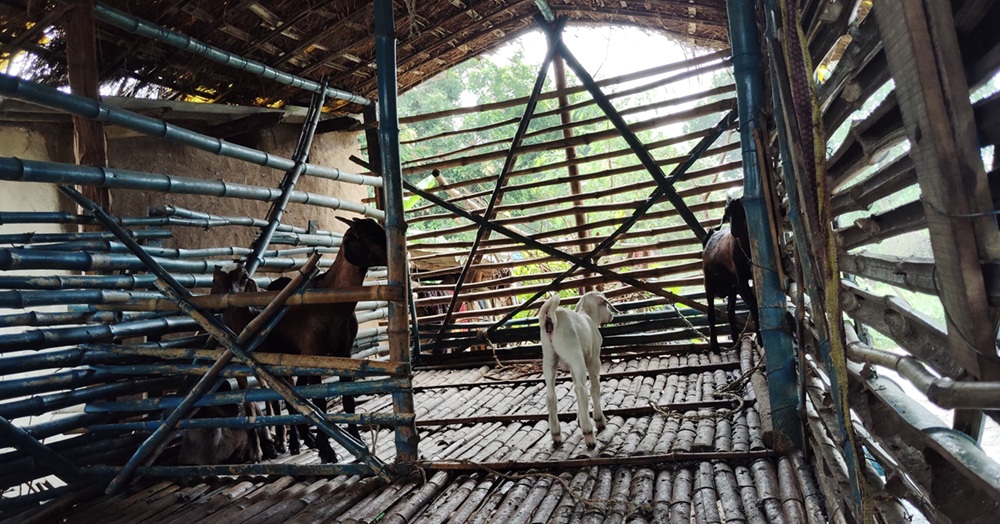
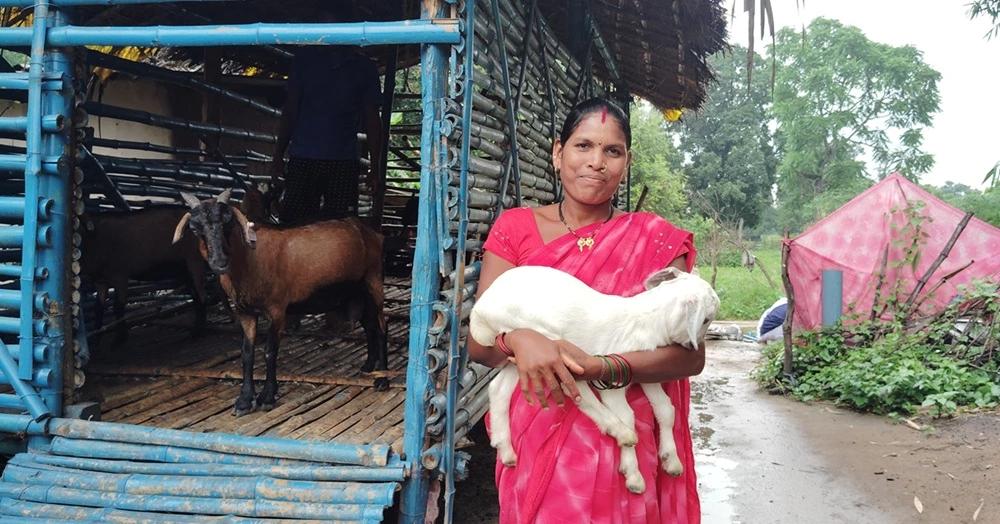
The housing pattern of Kathani cattle revealed that nearly all the cattle owners provided housing to their animals either during daytime or nighttime to safeguard them from rain, wind and wild animals. Maximum cattle owners kept their animals in open paddocks. A few farmers had a closed type of housing. Being an open paddock, urine drainage area was of pucca type and the overall hygiene and sanitation was good. Some farmers had a separate housing structure with kutcha ceiling, made from wood or dried cotton straws and some farmers had pucca type housing constructed from either bricks or stones using clay as a cementing material. The flooring of the housing was mostly kutcha type and made up of mud and stones.

Feed and fodder resources:

After harvesting paddy leftovers locally known as ‘Tanis’, dry jowar (Kadaba), a leftover of soybean, mung, wheat, cowpea, chickpea, pigeon pea, black gram, etc. locally known as ‘Kutar’ and grasses constitute the major source of fodder for these animals. In this breeding area, monoculture cropping (paddy, soybean, tur, chickpea) based on rain-fed irrigation is being practiced. Hence, in the absence of green fodder, concentrate feed in the form of crushed homemade rice bran locally known as ‘Kukus’ was fed to the animals.

Breeding of Animals:

Natural service is the major and preferred breeding method adopted by cattle owners and almost all breeding is undertaken while animals are grazing. The bulls used for natural service do not have any selection criteria. The non-castrated bulls perform breeding of animals as the male animals and female animals graze together. Due to lack of availability of Kathani bull semen, those who had facilities for Artificial Insemination (AI) within close proximity, preferred to breed their animals using HF or Jersey bull semen.

Physical Characteristics:

The Kathani animals are of medium size body structure and their coat of three different colours namely white, blackish and reddish. Three types of muzzle colours were also noticed black, mottled, and carroty (Colour of Daucus carrota). The majority of the animals have black muzzles. The colour of the eyelid and eyeball is perfectly black in a majority of the animals.  However, carroty eyelids and eyeballs were also observed in a few animals. The number of animals having black-coloured hooves was noticed to be paramount. The females of black-colored vulva were more in number. These animals have straight horns as well as curved horns and black-coloured horns were more common. The outward horn curvature with pointed tips seems was favoured by the Kathani animal keepers. These animals have straight foreheads, horizontal ears and tail positions at the hock level as well as below the hock. The temperament of these animals was noticed to be moderate and docile.

Reproduction Performance:

The published information in Indian Journal of Animal Sciences, Vol. 92, Issue 10, Pages   1182–1188 the reproduction parameters showed that the mean birth weight of males was 11.91±0.18 kg, while that of females was 11.06±0.19 kg. The average age at first ejaculation and first service of Kathani breeding bull was noted as 35.84±0.31 and 39.43±0.24 months, respectively. The age at first calving was 54.86±0.05 months. An average of 1.48±0.01 services was required to settle the cows.  The service period averaged 203.02±1.08 days and the calving interval was averaged as 486.85±0.51 days.

Production performance:

Rearing of these animals for milk purposes is not a routine practice in breeding tracts. Hence, all the farmers adopted the suckling method. The average suckling period was 7.94±0.06 months and average milk production was 0.55±0.01 litres per day. The average lactation length was noted as 237.76±1.82 days with lactation milk production of 193.07±5.28 litres. The average dry period was noticed as 245.75±2.28 days. Ref: Indian Journal of Animal Sciences, Vol. 92, Issue 10, Pages 1182–1188.

Genetic differentiation of Kathani cattle from resembling breeds:  

The breeding tract of Kathani cattle is aligned with the well-known Gaolao breed from Maharashtra, Kosali from Chhattisgarh, Ongole from Andra Pradesh and Motu from Odisha. Although Kathani cattle are completely different from these breeds as far as physical appearance is concerned, the genetic differentiation, genetic diversity and relationship between these breeds were assessed with the use of 20 FAO-recommended microsatellites. High variability was recorded in the Kathani population with a total of 198 alleles that varied between 5 (ILSTS11, TGLA22, INRA05) and 17 (ILSTS34) with a mean of 9.9±0.73. The average observed heterozygosity (Ho) was 0.658±0.054. Heterozygote deficiency was not significant (FIS=0.029±0.063) indicating random mating prevalent across this population. Mean estimates of the observed number of alleles and heterozygosity over all the loci and five populations were 9.73±0.421 and 0.617±0.022, respectively. In the overall populations, the homozygote excess (FIT) of 0.293±0.032, was partly due to the homozygote excess within breeds (FIS=0.121±0.025) and to a larger extent due to high (0.05<0.15) genetic differentiation among them (FST=0.195±0.029). Substantial pairwise Nei’s genetic distance and high population differentiation indicated a separate genetic identity of Kathani cattle.

Ref: Indian Journal of Animal Sciences, Vol. 92, Issue 10, Pages 1182–1188.

Dr. R. L. Bhagat

Adviser
BAIF, CRS, Uruli Kanchan, Pune

Linkedin Profile

A Journey of Purpose: Reflections on Womanhood and a Career in Development

A Journey of Purpose: Reflections on Womanhood and a Career in Development

Dr. Rajashree Joshi
Mar 07, 2025
Dr. Rajashree Joshi
Mar 07, 2024

It’s not often that we take a step back and reflect on how far we’ve come. But as we celebrate International Women’s Day 2025 under the theme #AccelerateAction, I felt an urge to share my story. Not because it’s extraordinary, but because it is possible—and if my journey can encourage even one woman to step forward with confidence, it’s worth sharing is what I felt.


As I reflect on my journey in the development sector, I feel a deep sense of gratitude and responsibility. It has been a journey filled with learning, challenges, and a profound commitment to making a difference in the lives of people. Being a woman in this field has been both a privilege and a testament to the resilience and dedication that women bring to the development landscape. Today, I wish to share my story, not just as a personal narrative but as a message to all aspiring women who dream of contributing to the development sector.


Finding My Calling


Joining the development sector wasn’t just a career choice for me; it was a calling. I was drawn to this field because it offered an opportunity to tackle systemic challenges and create meaningful, lasting change in people’s lives. As a young, economics student, I was deeply concerned about the causes of underdevelopment.  Over the years, I have had the opportunity to work in diverse areas such as rural development, sustainable livelihoods, climate resilience, and women’s empowerment. Each initiative I have been part of, has reinforced my belief that development is not about charity—it is about enabling people to take charge of their destinies.


Over the years, I have had the privilege of interacting with countless women in the field—tribal women preserving their food culture, women farmers battling climate change, and those carrying the weight of daily drudgery with unwavering strength. These experiences have shaped my understanding of the urgent need for equal opportunities for women, especially in rural and marginalized communities. Their stories of resilience, innovation, and perseverance have been my greatest teachers.


An area which has been close to my heart is the link between gender, food, and nutrition. Women are the primary caretakers of food security in most rural households, yet they often eat last and least. This paradox deeply troubled me, and I saw an opportunity to drive change through Indigenous Cuisine Corners, an initiative focused on preserving traditional food knowledge and ensuring nutritious, culturally relevant diets. I remember meeting a group of tribal women who were reintroducing forgotten millets into their diets. These crops, rich in nutrients and climate-resilient, had been neglected due to modernization. Through our work, we empowered these women to not only consume these nutritious foods but also become champions of indigenous food systems, advocating for their integration into local policies and markets.


I remember a project where we trained women farmers in climate-smart agriculture. At first, many were hesitant, doubting their ability to learn and lead. But with continuous encouragement, they not only mastered new techniques but also became trainers for others. Watching them grow into confident leaders reaffirmed my belief: women’s empowerment is not just about providing resources—it’s about enabling women to believe in their own potential. Stories like these reaffirm my commitment to ensuring that women are central to development initiatives.

Breaking Barriers as a Woman in Development


Like many other women in this field, I have faced my share of challenges—navigating biases, ensuring my voice is heard in decision-making spaces and balancing professional responsibilities with personal life, justifying off bit career choice to relatives. But if there’s one thing I’ve learned, it’s this: knowledge and confidence speak louder than any bias.


I made it a point to equip myself with the right skills, stay informed about emerging trends, and most importantly, listen—to the communities I worked with, to mentors and peers, and to my own instincts. The development sector, despite its challenges, provides immense opportunities for women to lead, innovate, and create transformative impact.


I feel women bring a unique set of skills, perspectives, and strengths that make them highly effective in the development sector. Their ability to empathize, collaborate, and drive inclusive change gives them a comparative advantage in roles that require engagement with diverse communities, problem-solving, and long-term impact creation.


Women are exceptionally well-suited for careers and leadership roles in the development sector because of their natural strengths in empathy, resilience, multi-tasking, community engagement. While both men and women contribute to this sector, women bring a unique perspective that enhances development work, particularly in grassroots initiatives, gender empowerment, and inclusive policy-making. Their ability to listen, empathize, and build trust makes them more effective in working with vulnerable groups. Working in development often requires perseverance, adaptability, and patience—qualities that many women have honed. Being able to listen, communicate, and be sensitive are crucial assets in development work and I believe women have such inherent skills


I feel as a woman development professional, I could establish deep connections and could empathize, with communities, especially among other women and marginalized groups. In many cultures, women are more approachable and relatable in grassroots development work, making them effective in mobilization efforts, participatory decision-making, and behaviour change interventions.

Women as the Architects of Development


Throughout history, women have been at the forefront of India’s development, from Savitribai Phule in education to Ela Bhatt in women’s economic empowerment. Even today, many women like Rahi Bai Popare, Seed Mother and Recipient of Padmashri Award, are leading policy frameworks, grassroots activism, and sustainable development initiatives.


Women in self-help groups (SHGs), rural enterprises, and policymaking have helped lift millions out of poverty. Their ability to listen, empathize, and build trust makes them exceptionally effective in grassroots development work. I have had the privilege of working alongside incredible women—tribal women reviving traditional food cultures, farm women battling climate change, and development professionals challenging norms to create more inclusive policies. Their stories inspire me every day.


I am glad that women continue to lead policy frameworks, corporate social responsibility (CSR), and global development initiatives. sustainable development, and digital transformation, making them the backbone of India’s development sector. Their role in SHGs, rural enterprises, and policymaking has helped lift millions out of poverty. From grassroots activism to national policy leadership, Indian women have been, and continue to be, the catalysts for sustainable development


My women colleagues in my professional career have also been a source of constant inspiration. Working alongside passionate, driven women has reinforced my belief in the power of collective leadership. Whether it’s a young development professional challenging norms or a seasoned expert mentoring the next generation, I see in them the future of an inclusive development sector.


A Message to Young Women Aspirants in the Development Sector


If you are a young woman considering a career in development, this sector needs you. Your perspectives, creativity, empathy, and resilience are invaluable in shaping the world we want to live in.


Development is not about charity—it’s about enabling people to take charge of their own destinies. It requires perseverance, adaptability, and patience—qualities that many women naturally possess.


So, step forward with confidence. Seek mentors, build networks, and never doubt your ability to make a difference. The development sector is not just a career—it’s a purpose-driven journey that transforms lives, including your own.


Let us all come together to #AccelerateAction and create a future full of possibilities.

Dr. Rajashree Joshi

Programme Director

BAIF Development Research Foundation, Pune

Linkedin Profile

Republic Day Celebrated at BAIF

Republic Day Celebrated at BAIF

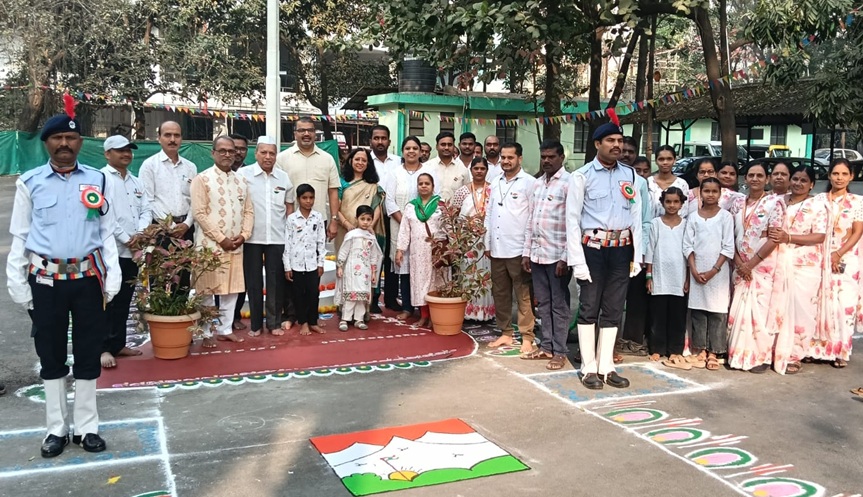
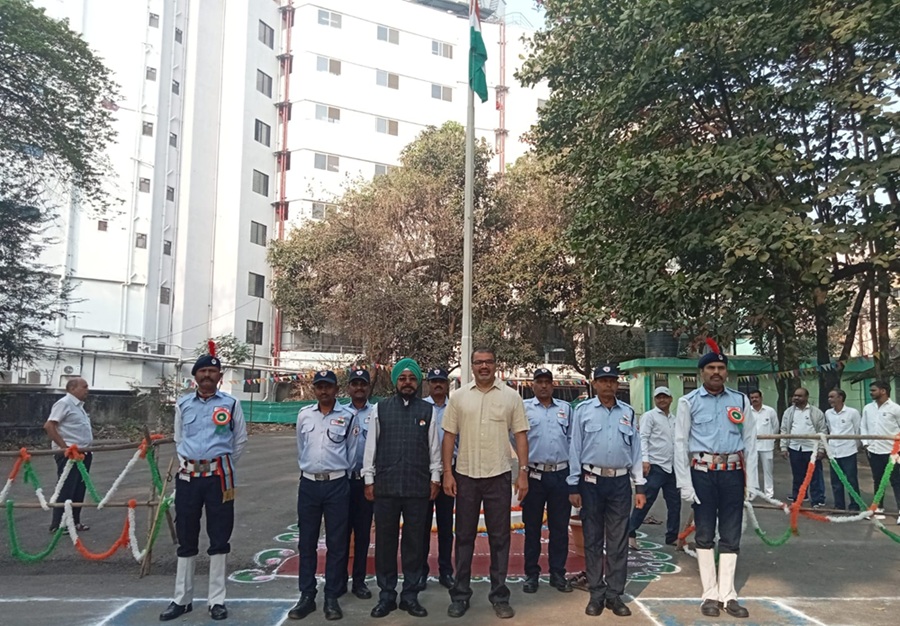
January 26, 2025: Republic Day, a day of introspection, was celebrated by BAIF at its Head Office in Pune as well as in all its operational states. In Pune, after the ceremonial guard of honour, Mr. Shrinivas Kulkarni, Group Vice President, Finance, hoisted the flag. He urged the BAIF team to respond to emerging development opportunities in general and Maharashtra in particular and highlighted the scope for sustainability and development through CSR blended with a sound value system and well-being of employees. Dr. Avinash Deo, Programme Organiser, highlighted the need to focus on climate change and mitigation as changing climate has repercussions on livestock, agriculture and horticulture development. Ms. Sucharita Dhar, Senior Manager – Information and Communication, highlighted the technological advancement in the country starting with the first space mission and the transition from traditional communication channels to digital media. Mr. Rakesh Shinde, Senior Human Resources Manager, highlighted the inherent values of equality, liberty and independence enshrined in the Indian Constitution, in BAIF Programmes. Mr. Chetan Dubey, Associate Programme Manager – CSR, emphasised on the theme of the 76th Republic Day – Swarnim Bharat – Virasat aur Vikas. Ms. Sujata Kangude, Thematic Programme Executive – Women & Development while compering the event, also reiterated the need to focus on empowerment of women in all the programmes. Ms. Sharmila Jadhav, Senior Administration Officer, BAIF proposed the vote of thanks.

Republic Day was also celebrated with pride at other operational areas of BAIF. In Nashik, Maharashtra, the flag was hoisted by Dr Raviraj Jadhav Jadhav, Regional Director, West; in Sambalpur, Odisha by Mr. Rakesh Warrier, Regional Director, East; in Ranchi, Jharkhand, by Shri. Dharmendra Tiwari, State Head and in Patna, Bihar by Mr. Sanjeet Sinha and the state team. In Karnataka, Mr. Malathesha Kulkarni, State Head, chaired the Republic Day celebration at the Head Office in Tiptur. Celebrations were also organised at the Lakkihalli campus, Dharwad Regional Office and Grama Chetana Training Centre, Surashettikoppa. Republic Day was celebrated under the Digital Sakhi Project in Uttar Pradesh and Bihar with interactive events such as Rangoli and drawing competitions evoking tremendous enthusiasm among children.
Prevention of Inbreeding: The Key to Sustainable Dairy Animal Breeding

Prevention of Inbreeding: The Key to Sustainable Dairy Animal Breeding

Dr. R. L. Bhagat
Dec 24, 2024
Dr. R. L. Bhagat
Dec 24, 2024

Inbreeding which is the practice of mating animals with blood relationship, has been a practice since long with an aim to preserve desirable traits. However, this practice can threaten the health, productivity and sustainability of dairy animals. Hence, it is necessary to avoid inbreeding in dairy animals.

Genetic Diversity: 


Genetic diversity is the foundation of a healthy animal population. It provides animals the inherent capacity to adapt to changing environments and to resist diseases.

Adverse effects of Inbreeding:


  • Reduction in genetic diversity: The practice of inbreeding reduces genetic diversity and increases the risk of inbreeding depression, a phenomenon whereby offsprings exhibit reduced fitness, vigour and productivity. The general rule is that each 1% increase in inbreeding coefficient (F) leads to 3-5% decrease in reproductive performance (conception rate, calving rate) and 1-2% decrease in production traits (milk yield, growth rate).
  • Reproductive inefficiency: Inbreeding increases the likelihood of hereditary disorders, leading to lower conception rates and higher calf mortality.
  • Productivity decline: Traits like milk yield or birth weight of calf often deteriorate in inbred populations, affecting the profitability of livestock farming.
  • Increased Risk of Genetic Disorders: The probability of expressing recessive genetic disorders, increases and are manifest in the form of physical abnormalities, reduced immune response or metabolic inefficiencies, which compromise on the welfare and longevity of the animals.
  • Vulnerability to Environmental Changes: Populations with limited genetic variation are less capable of coping with environmental changes such as climate variability, new diseases or shifting resource availability. This vulnerability can lead to significant loss in the productivity.
  • Ethical and Welfare Considerations: Inbreeding often results in animals suffering from congenital disabilities, reduced life expectancy and chronic health problems. Ethical breeding practices prioritises the welfare of animals, ensuring they lead healthy, productive lives.

Case Studies in Dairy Cattle:


Studies have shown that a 1% increase in inbreeding level can reduce milk production by 20-30 kg per lactation. Likewise, fertility issues and calving difficulties increase significantly in inbred herds.

Percent Contribution of Inbreeding over Generations:


The percent contribution of inbreeding increases with each successive generation when closely related animals are mated. The degree of inbreeding is quantified using the inbreeding coefficient (F), which measures the probability that two alleles at a locus in an individual are inherited from a common ancestor.

    • Full siblings mating: Full siblings share approximately 50% of their genetic material. When they mate, the chances of identical alleles (genes from both parents) being inherited by the offspring increases. This leads to higher homozygosity which can amplify the expression of harmful recessive genes.
    • Parent-offspring mating: This occurs when an offspring is bred with one of its parents either sire or dam. The offspring shares 50% of its genetic material with the parent, leading to a higher likelihood of both inheriting and expressing similar genetic traits. Parent-offspring mating increases homozygosity, leading to a higher chance of harmful recessive traits being expressed. Mating of such animals leads to genetic disorders, reduced fertility, and poor health in the offspring.
    • Half-sibling mating: It involves mating two animals that share one parent common. E.g. if a sire is used to breed with multiple dams, the offspring from different dams are half-siblings. Half-siblings share approximately 25% of their genetic material, which is lower than full siblings but still substantial enough to amplify risks associated with inbreeding. Similar to other forms of inbreeding, half-sibling mating increases the likelihood of homozygosity.
    • First-cousin mating: First-cousin mating refers to the practice of breeding animals that share a pair of grandparents but have different parents. This form of inbreeding is less intense than parent-offspring or sibling mating but still falls under the category of close-relative mating. It has genetic and practical implications that must be carefully managed. In first-cousin mating, the animals being bred share about 12.5% of their genetic material since their parents are siblings.

Inbred and Outbred Populations:


Inbred and outbred populations represent opposite ends of the genetic diversity spectrum. The distinction is critical in animal breeding, conservation and genetics to understand the impact on traits such as health, productivity and adaptability.

  • Inbred Population:
  • Advantages:
    • Predictable traits can be attained in future generation.
    • Useful for research (laboratory animals).
    • Necessary for developing purebred lines.
  • Disadvantages:
    • Reduced fitness and adaptability to changing environments.
    • Increased risk of hereditary diseases in future generations.

Outbred Population:

  • Advantages:
    • Improved vigour and health in future generation due to heterosis.
    • Greater resilience to environmental changes possible due to improved vigour in future generations.
  • Disadvantages:
    • Traits may vary unpredictably due to heterozygous.
    • Less control over specific genetic outcomes.

Mitigation Strategies for Inbreeding:


  1. Maintaining a large Breeding Population: Larger populations reduce the likelihood of mating of closely related individuals which therefore helps in maintaining genetic diversity.
  2. Crossbreeding Programme: Crossbreeding programme helps to introduce new genetic material into a population, improving performance and resilience through heterosis or hybrid vigour.
  3. Use of Modern Technologies: Modern genetic technologies, such as DNA testing and pedigree analysis, allow breeders to assess genetic relationships and plan matings to minimise or to avoid inbreeding risks in future generations.
  4. Monitoring and Recording Systems: Accurate record keeping helps track lineage, preventing unintended inbreeding and allowing better management of breeding programmes.

Conclusion:


While inbreeding can be useful for stabilising traits in controlled breeding programmes, its negative impact on reproduction and production performance outweigh the benefits in most cases especially in dairy animals. By maintaining genetic diversity and minimising inbreeding, livestock breeders can ensure sustainable and profitable production systems in future generations.

Dr. R. L. Bhagat

Advisor

BAIF Development Research Foundation, Pune

Linkedin Profile