
Government of Maharashtra signs MoU with BAIF and Axis Bank Foundation for Holistic Development of Gadchiroli
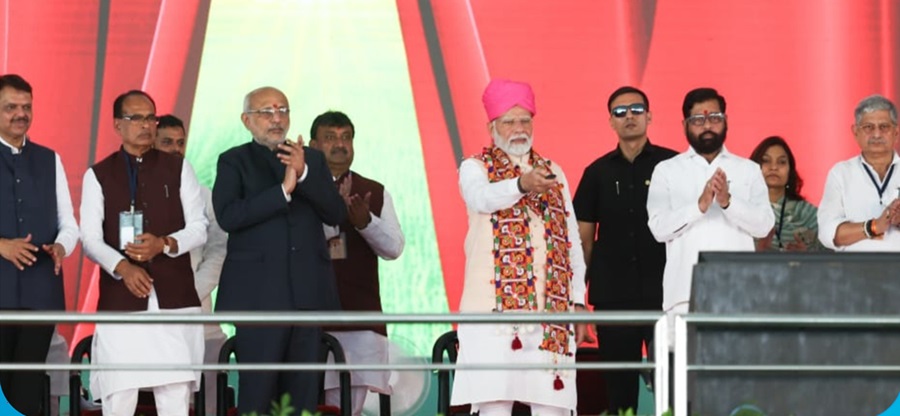
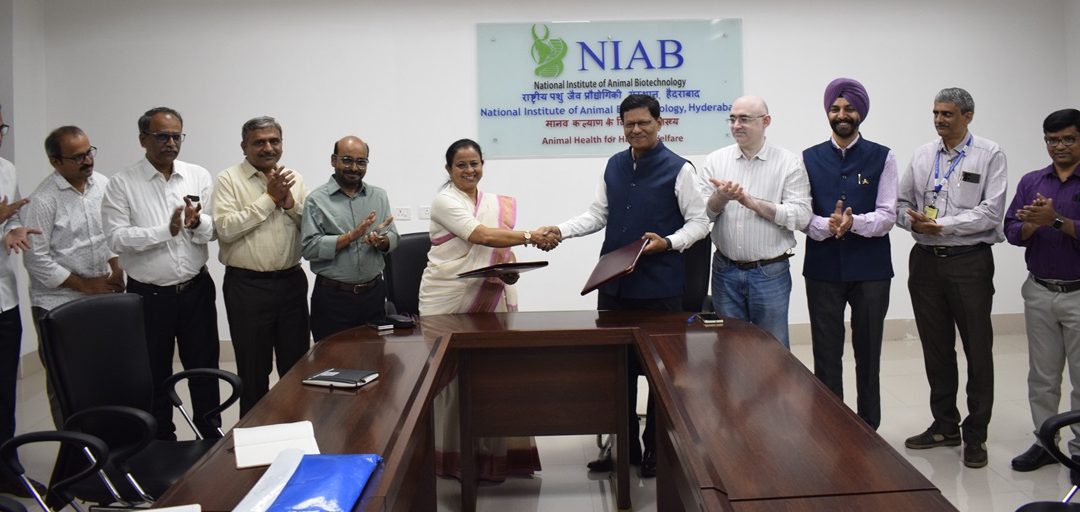
June 06, 2025: In a landmark collaboration, the Government of Maharashtra, BAIF Development Research Foundation and Axis Bank Foundation signed a Memorandum of Understanding (MoU) for inclusive development of Gadchiroli, Maharashtra in the presence of Hon’ble Chief Minister, Shri Devendra Fadnavis at Gadchiroli.
The event was graced by Mr. Avishyant Panda, District Collector, Gadchiroli, Dr. Bharat Kakade, President, BAIF, Dr. Raviraj Jadhav, Regional Director, BAIF, Mr. Advait Majmudar, Senior Vice President & Group Head, Government Coverage Group, Axis Bank and Mr. Kapil Bhatra, Assistant Vice President & State Head, Rest of Maharashtra, Government Coverage Group, Axis Bank. Mr. Shailesh Bhagat, Chief Programme Manager, BAIF, was also present on the occasion.
This partnership blends the strategic intent of Axis Bank Foundation’s Sustainable Livelihood Programme with BAIF’s strength of sustainable rural transformation. Together, this collaboration is committed to enhance livelihoods through resilient agricultural practices, improved livestock management, development of micro-enterprises and stable market linkages. The partnership focuses on scalable, sustainable solutions to improve the lives and livelihoods of rural communities of Gadchiroli.
Hon’ble Chief Minister Shri Devendra Fadnavis emphasized, “This alliance exemplifies how government, corporate, and civil society can unite to drive transformative change.”
Dr. Bharat Kakade, President BAIF, highlighted BAIF’s role in ensuring “Policy and finance translate into tangible improvements in people’s lives.”
Ms. Dhruvi Shah, Executive Trustee and CEO, Axis Bank Foundation, said, “Through our partnership with BAIF, we are working to enhance income-generating opportunities for rural households in Gadchiroli driven by collective efforts with local stakeholders.”
The ceremony concluded with a pledge to track measurable progress and publish annual impact reports, ensuring transparency and accountability in Gadchiroli’s development.
BAIF is committed to sustainable development and climate action for the reversal of the chronic poverty plaguing rural communities and guiding them towards improved livelihood opportunities through promotion of climate-smart technologies. BAIF along with NABARD, State Bank of India Foundation, R G Manudhane Foundation for Excellence and Cargill Business Services, has been implementing various development programmes for upliftment of Gadchiroli district.