
Legendary Cricketer Mr. Sachin Tendulkar visits Climate Smart Village – Guhir in Maharashtra
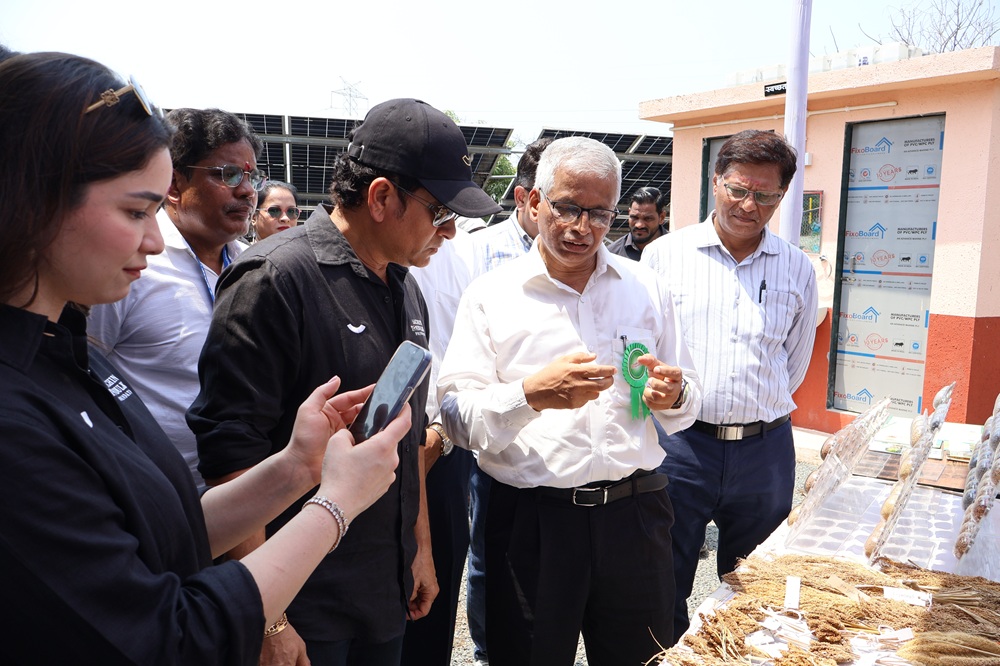
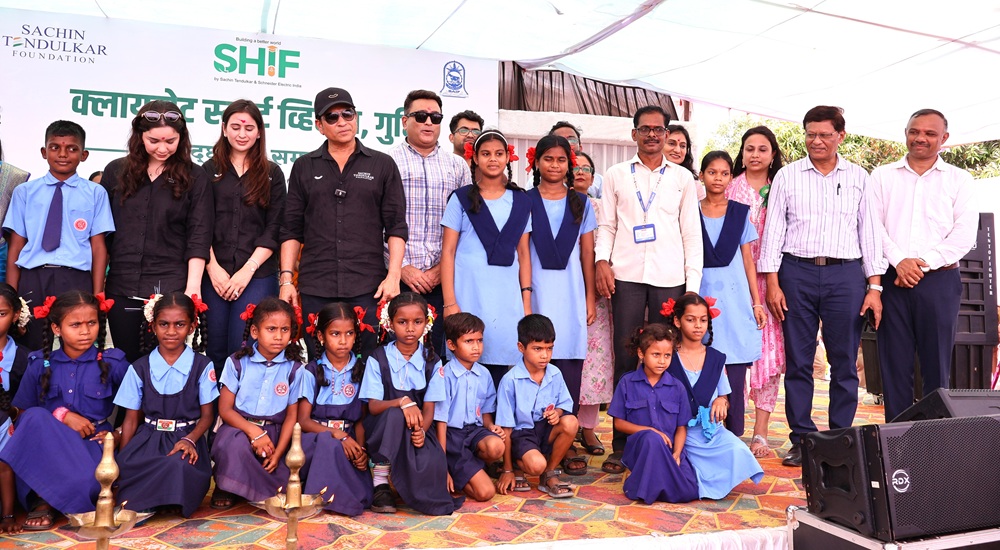
Apr 28, 2026: BAIF Maharashtra team was honoured to welcome Bharat Ratna Mr. Sachin Tendulkar along with Sara Tendulkar and Saaniya Tendulkar to the inaugural programme of Climate Smart Village – Guhir in Wada block of Palghar district, Maharashtra, on April 28, 2026. Climate Smart Village is a transformative project being implemented by BAIF Development Research Foundation in partnership with ‘Spreading Happiness InDiya Foundation (SHIF), a collaboration between the Sachin Tendulkar Foundation (STF) and Schneider Electric India Pvt Ltd (SEIPL).
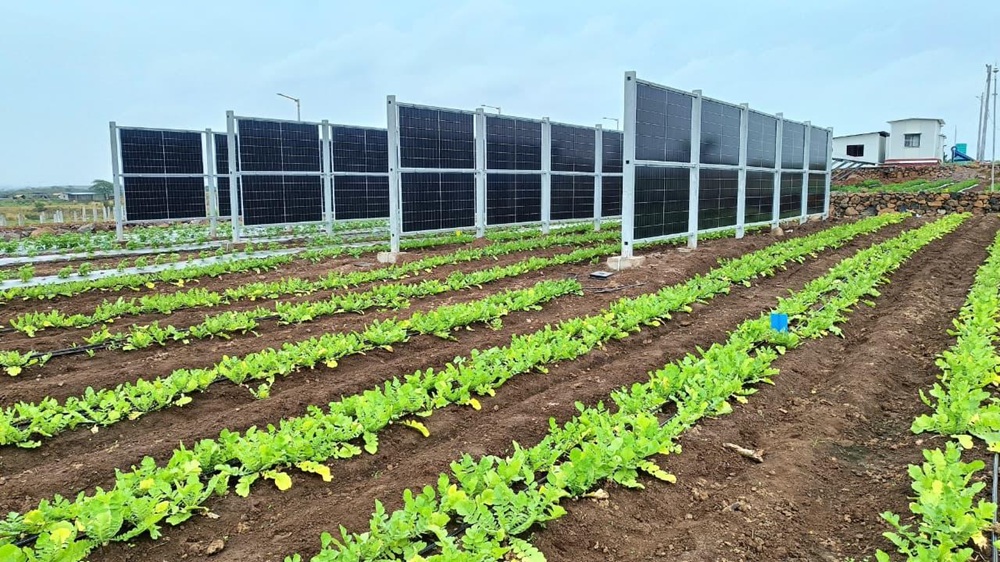
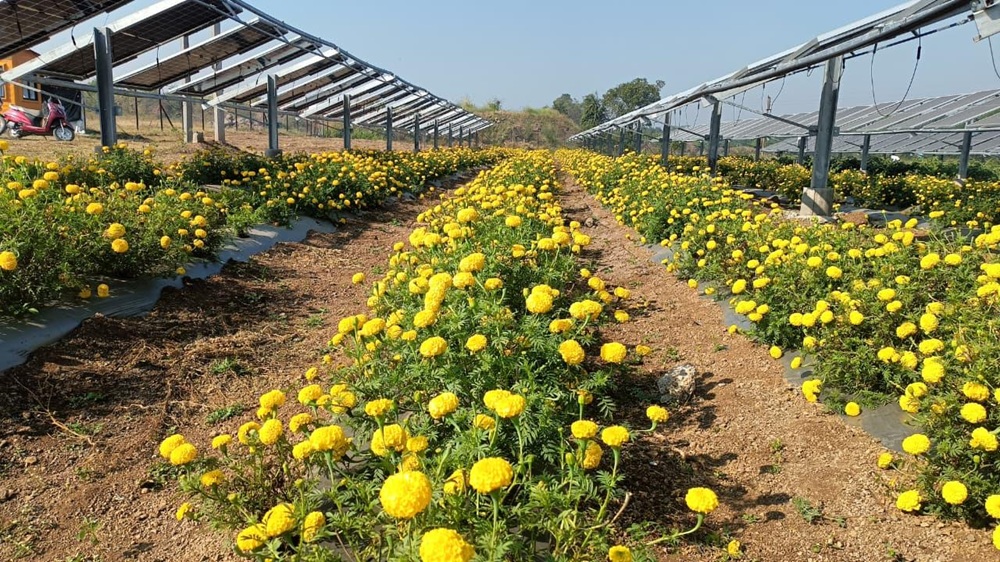
The visitors witnessed the remarkable transformation of Guhir village through a 40 kW solar energy system integrated with Schneider Electric’s IoT-enabled smart energy solutions. This initiative powers street lighting, households, two irrigation pumps for a lift irrigation system, women-led small enterprises, and a digital smart school with strong community engagement.
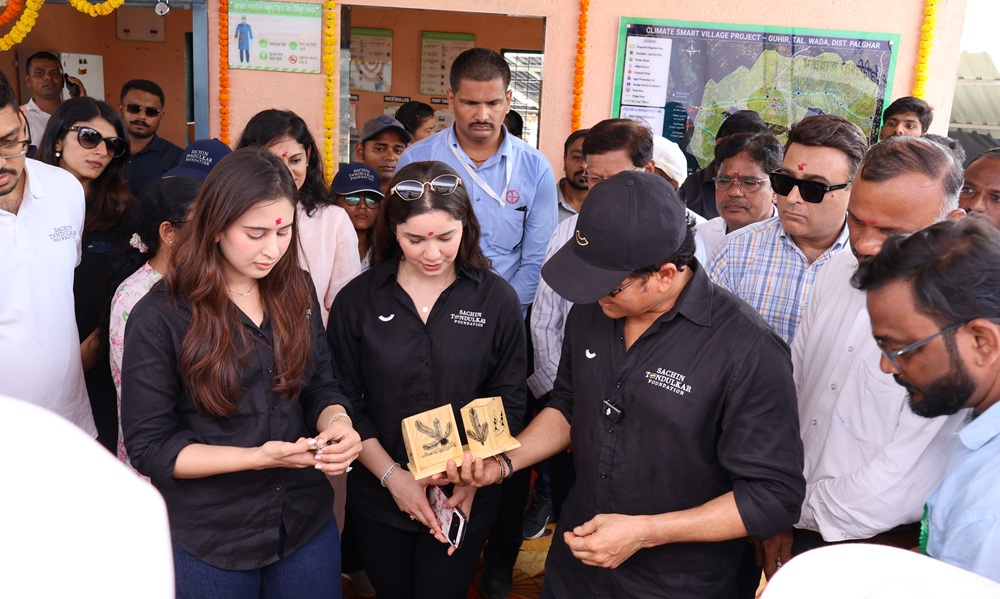
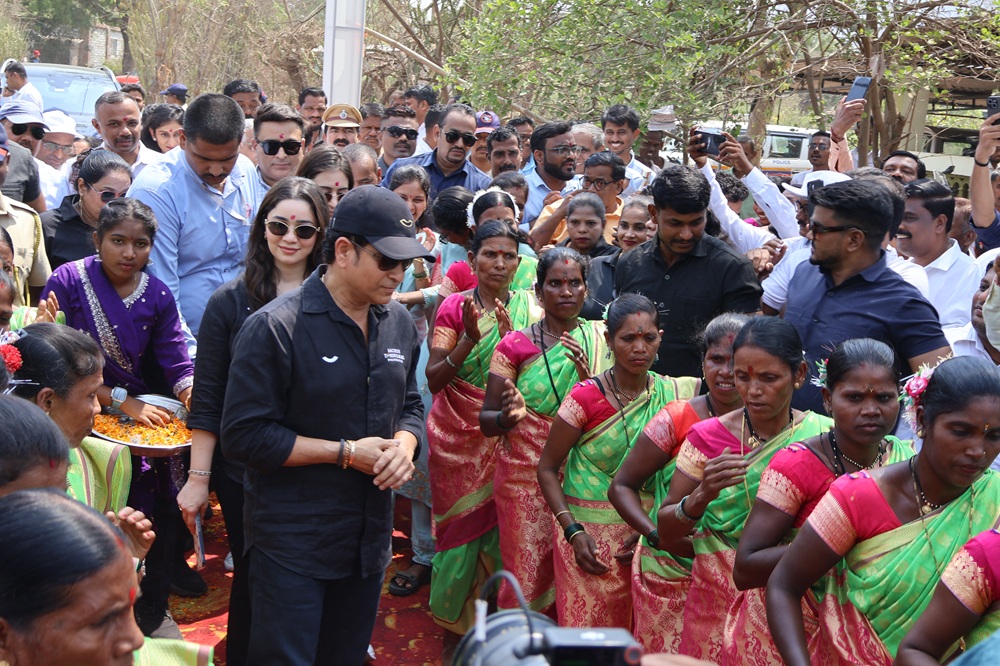
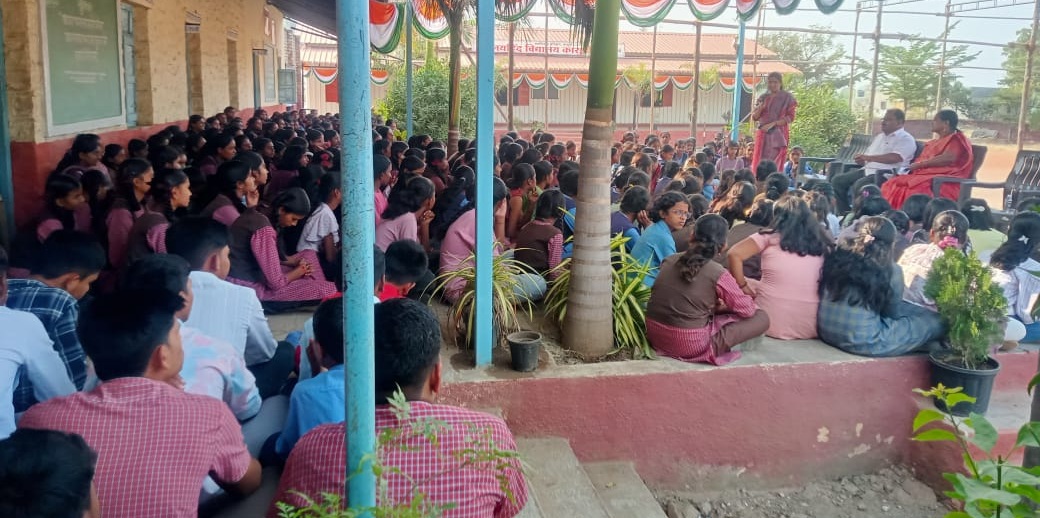
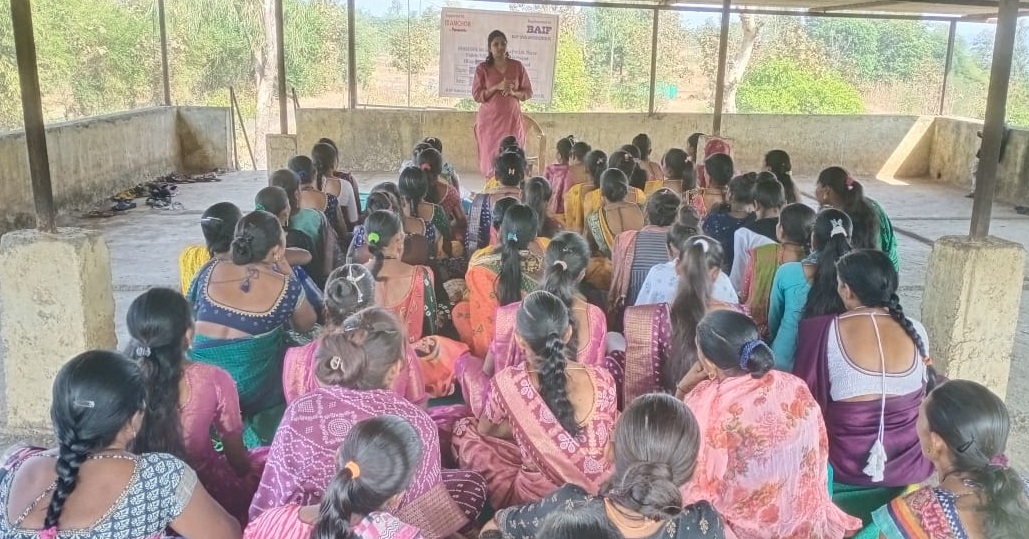
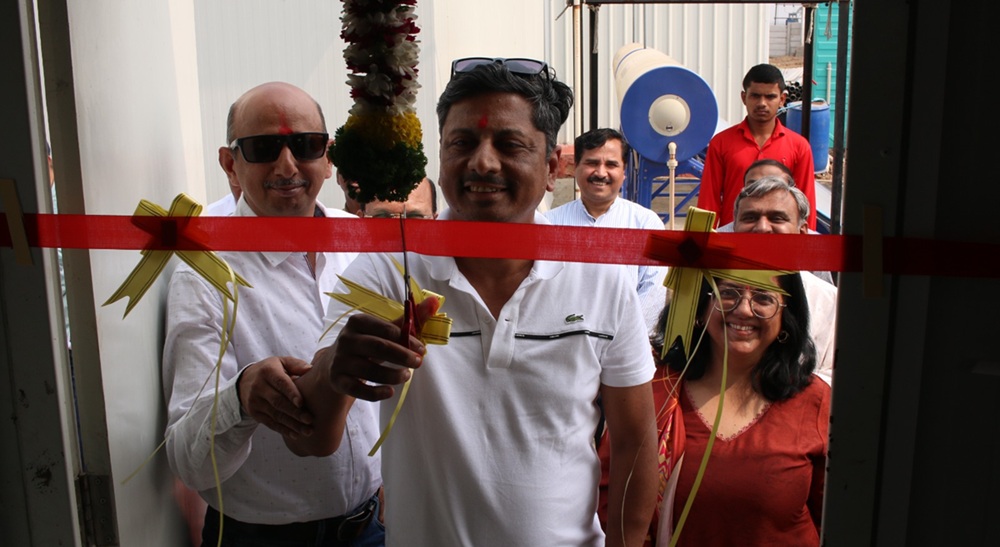
While inaugurating the programme, Mr. Sachin Tendulkar appreciated the exemplary work being undertaken through the partnership between SHIF and BAIF and engaged warmly with the students, villagers especially women farmers, and self-help groups.
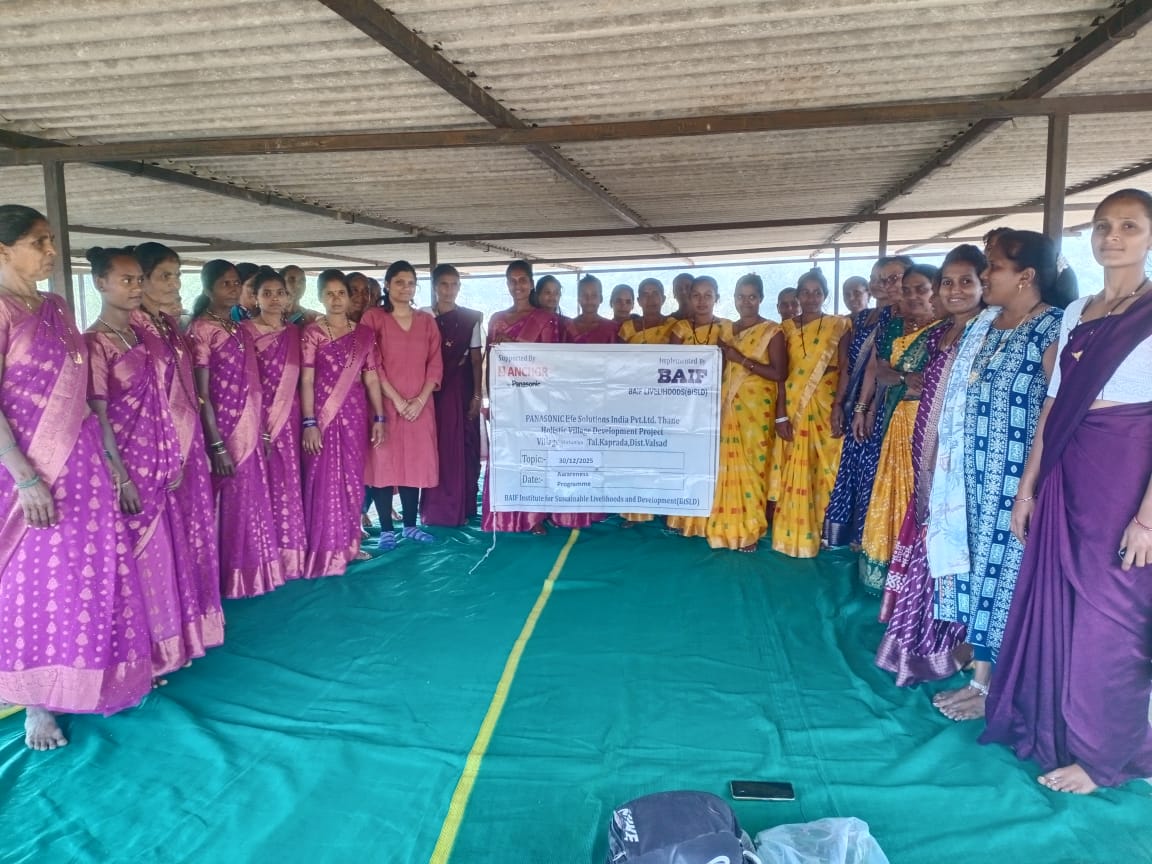
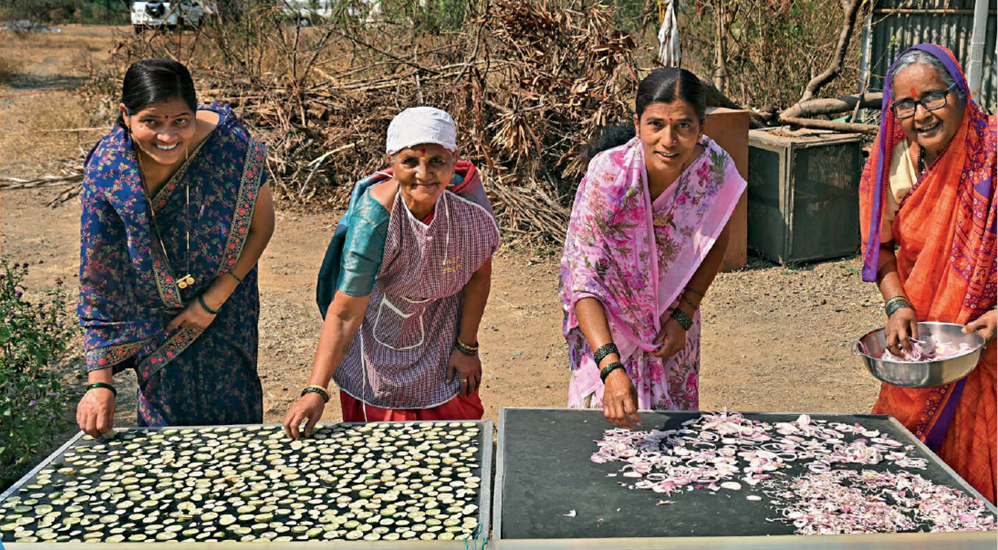
Sara Tendulkar and Saaniya Tendulkar also expressed keen interest and admiration for the activities undertaken by the women’s groups, interacted with them and purchased some of their edible products including a Nagali (finger millet) product.
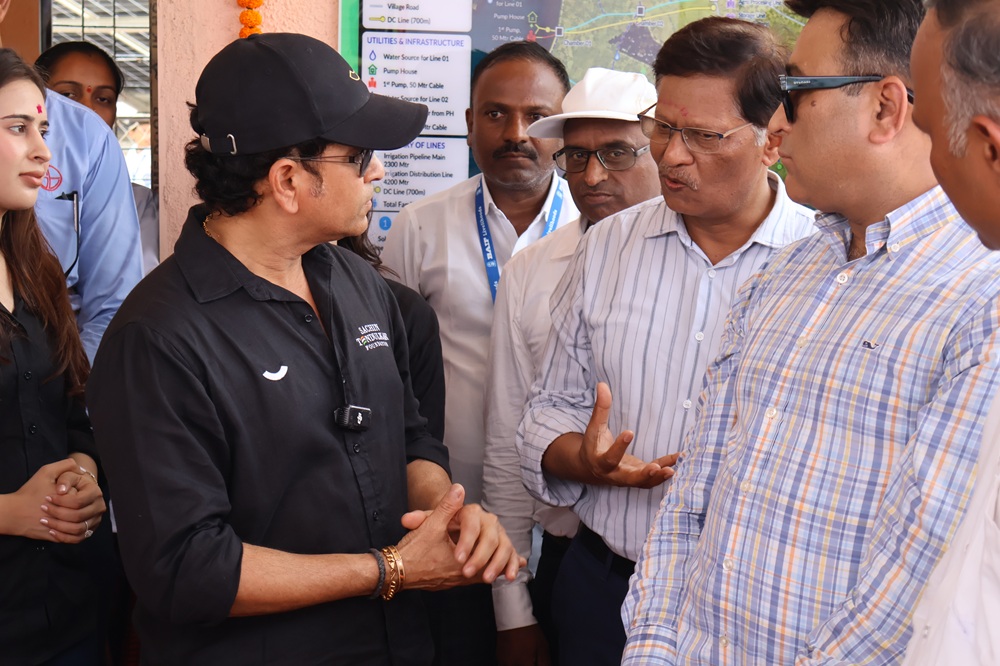
Mr. Deepak Sharma, Zone President Greater India, Managing Director and CEO, SEIPL, highlighted the initiative taken up with SHIF. Mrs. Bhavana Verma, Vice President and Dr. Richa Gautam, CSR and Sustainability Head, Schneider, were also present at this event.
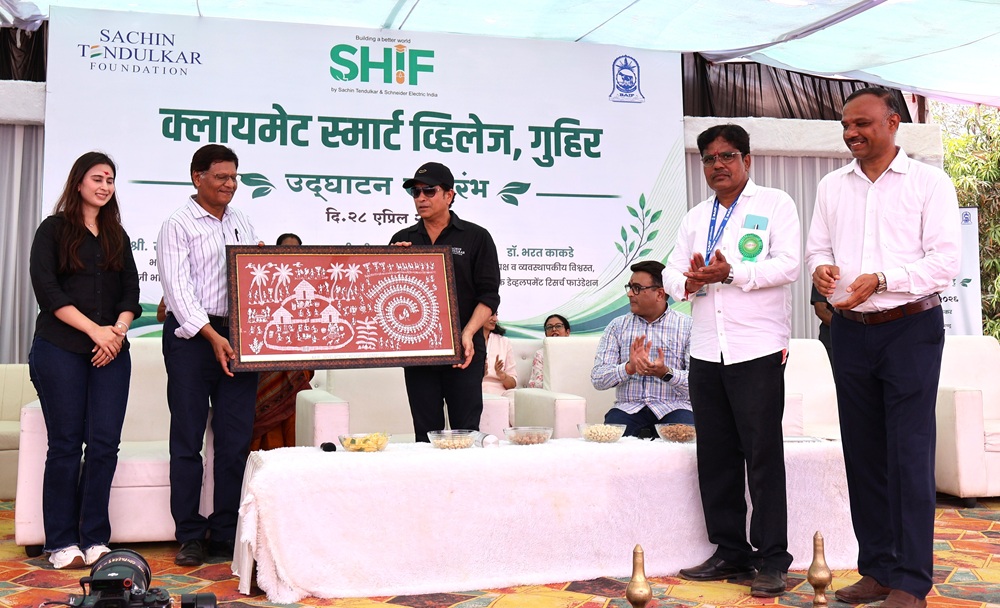
Dr. Bharat Kakade, President and Managing Trustee of BAIF, provided an overview of BAIF’s pan-India initiatives and the impact achieved across diverse regions through various programmes on rural livelihoods and climate action. The BAIF team comprising of Dr. Raviraj Jadhav, Vice President, Programmes, Mr. Sudhir Wagle, Joint Regional Director, West Region, Mr. Pradip Khose, Chief Programme Manager, Mr. Raosaheb Kote, Chief Thematic Programme Executive – NRM & Climate Action, and the project implementation team were also present on the occasion.
BAIF is proud to be a part of this inspiring initiative and remains committed to building replicable, community-led development models that can bring about lasting change in rural India.
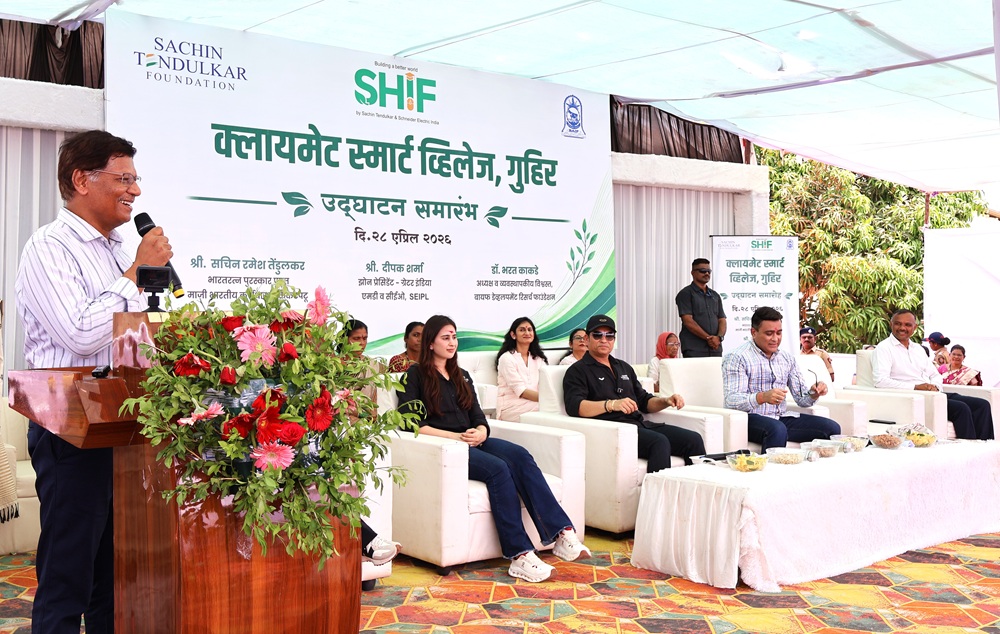
We sincerely thank SHIF, the Sachin Tendulkar Foundation, and Schneider Electric India for their trust, collaboration, and shared commitment to rural transformation.