From Passion to Prosperity

From Passion to Prosperity

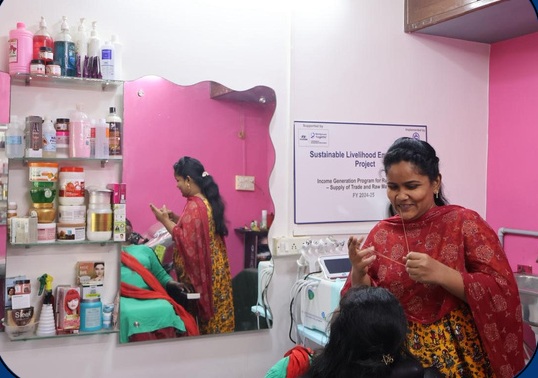
Mrs. Jasper, a 31-year-old woman from Parivakkam village in Tiruvallur District of Tamil Nadu, lives with her family comprising of four members. Driven by a passion for the beauty and wellness sector, she completed a beautician course three years ago with the aspiration of becoming a professional makeup artist and operating her own enterprise. After completing the course, she established a small beauty parlour near her house.

However, due to financial constraints, she was unable to invest in quality beauty products or advanced equipment. This limited her services resulting in a modest monthly income of Rs. 5,000–7,000, much of which was absorbed by shop rent and electricity expenses. Despite her skills and dedication, sustaining the business remained a challenge.

In July 2025, BISLD Tamil Nadu recognised Mrs. Jasper’s entrepreneurial potential and extended support under its women empowerment initiatives, with support from the Hyundai Motor India Foundation (HMIF) through the Sustainable Livelihood Empowerment Project (SLEP). The intervention included advanced beauty equipment, refresher training, and exposure visits, strengthening her technical skills, basic record keeping, and marketing skills. This support proved to be a turning point in her life, enabling her to expand services, attract more customers, and increase her monthly income to Rs. 15,000–17,000. Encouraged by this success, she now plans to introduce advanced makeup services. This is an excellent example of how timely support can convert small enterprises into sustainable livelihoods and spread happiness all around.
The Lady with the Lamp

The Lady with the Lamp

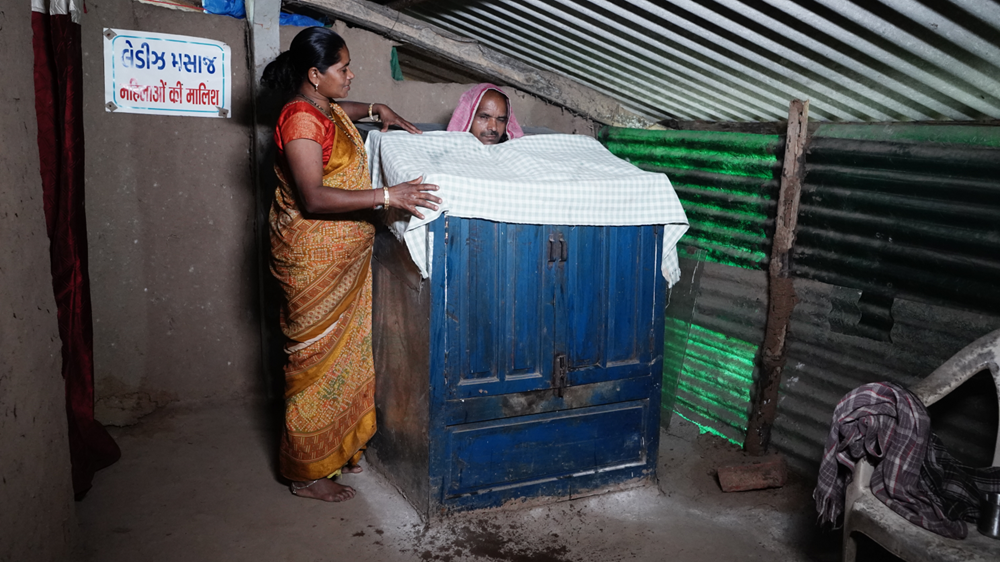
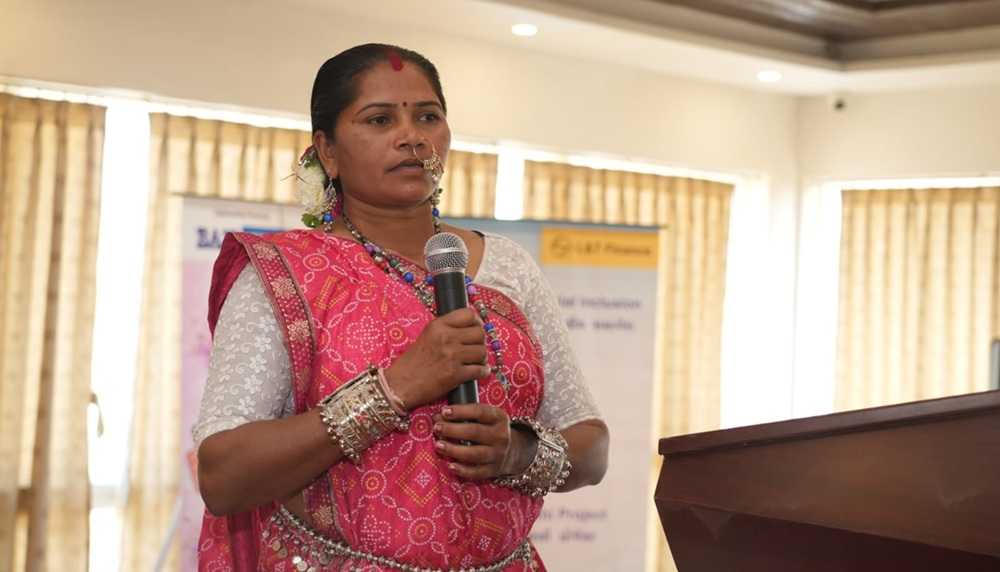
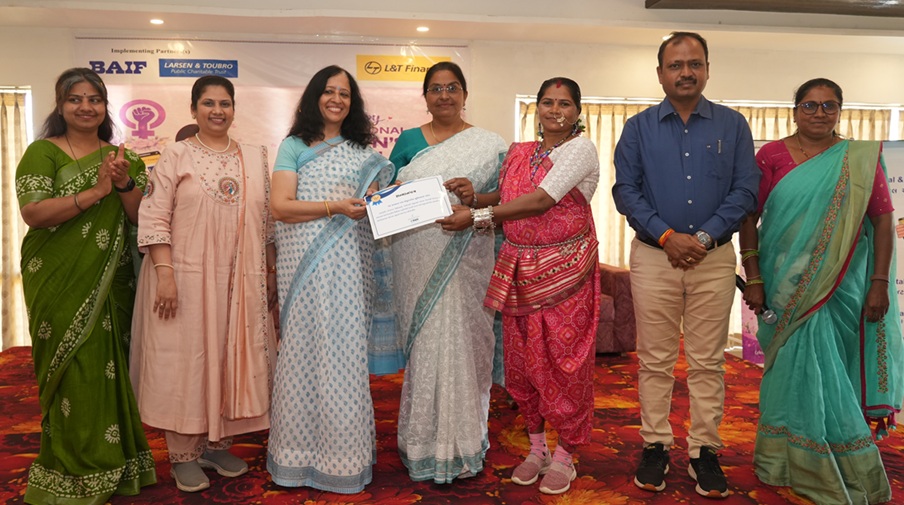
March 7, 2026 was a memorable day in the life of Manjulaben. This tribal woman from Amdha village in Valsad district of South Gujarat, hailed as “Doctorben” by the local community, was felicitated at the mega Women’s Day celebration held at Kakadkopar village in Nanapondha taluka of South Gujarat. She narrated her story with emotion and conviction at the felicitation ceremony resulting in many a woman shedding tears of joy at her success and deriving inspiration from her story. Her travel by aeroplane for the first time in her life all the way to Delhi to receive an award and to share her story at a national event, was another turning point in her life. Starting out as a daily wage labourer and earning ₹2,500 – ₹3,000 per month, destiny had other plans for her. She was motivated by the BAIF field team to take up nature cure as a profession. She was encouraged to attend an intensive training in naturopathy at the Nature Cure Ashram at Uruli Kanchan, Pune which empowered her with necessary skills in nature cure and types of treatment.
Today, Manjulaben is operating three healthcare centres which treats 800-900 patients annually. She is also the proud owner of a kitchen garden with medicinal herbs which is playing a major role in conservation of rare and precious medicinal plants and their use as remedies for providing relief to those suffering from paralysis, arthritis, diabetes, and women’s health issues. She proudly reveals the fact that her monthly income today is ₹70,000! She has treated more than 11,200 patients so far and has generated sustainable livelihood for 20 to 25 women of her community. Educated upto the 8th standard, Manjulaben is not lacking in anything. A proud owner of a motor car, she is often seen driving a car in her neighbourhood with confidence! She receives complete support from her family and especially from her son and his wife who assist her in her practice. She now nurtures a dream of visiting her son who works as a carpenter in Dubai. May her dream be fulfilled and may her tribe increase!
From Setback to Stability

From Setback to Stability

BISLD Odisha and Chattisgarh

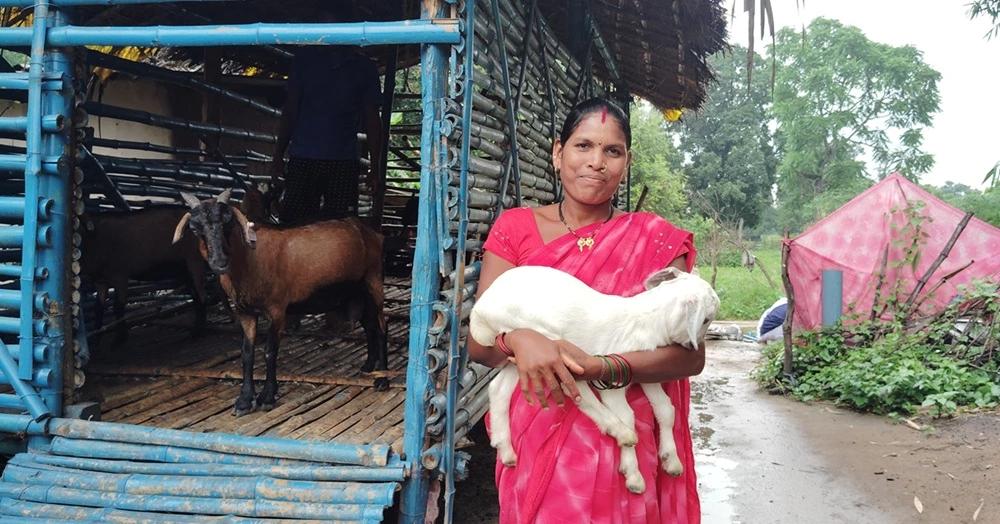
Ms. Devanti Kanwar from Bhulsidihi village, Korba district, Chhattisgarh, depended mainly on her husband’s daily wage income. An earlier attempt at goat rearing failed due to poor housing and hygiene, resulting in livestock losses and financial stress.
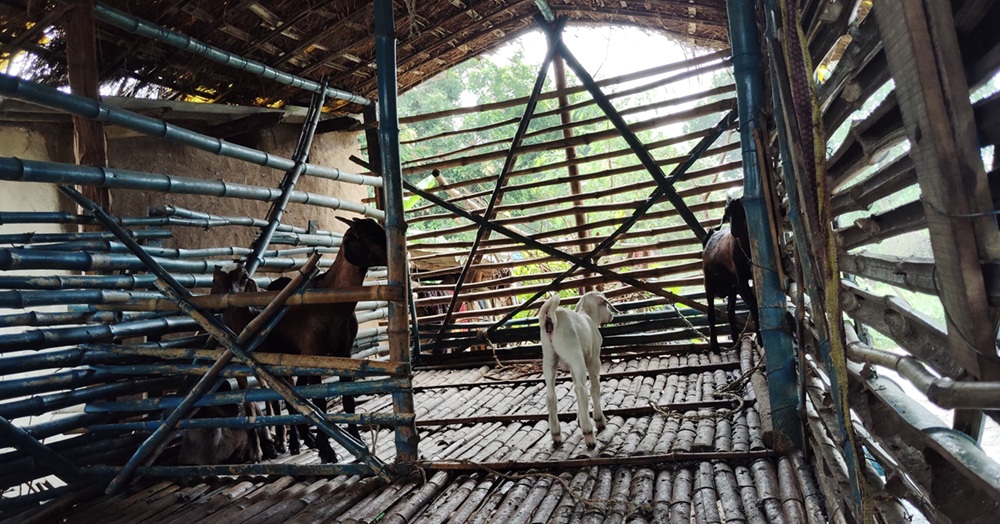
Her situation changed after attending a Village Development Committee meeting under the Mor Jal Mor Maati (MJMM) initiative, supported by BALCO CSR and implemented by BAIF. She received support to construct a low-cost, hygienic goat shelter using bamboo columns mounted on PVC pipe footings filled with concrete to prevent water damage.

With proper shelter, Devanti successfully restarted goat rearing. The birth of a healthy kid restored her confidence and livelihood prospects. She now plans to expand her herd, explore artificial insemination, and aims to earn around ₹20,000 through goat sales. Her journey highlights how timely technical support and simple innovations can rebuild rural livelihoods.

Reviving Soil, Reviving Livelihoods

Reviving Soil, Reviving Livelihoods

 BISLD Bihar

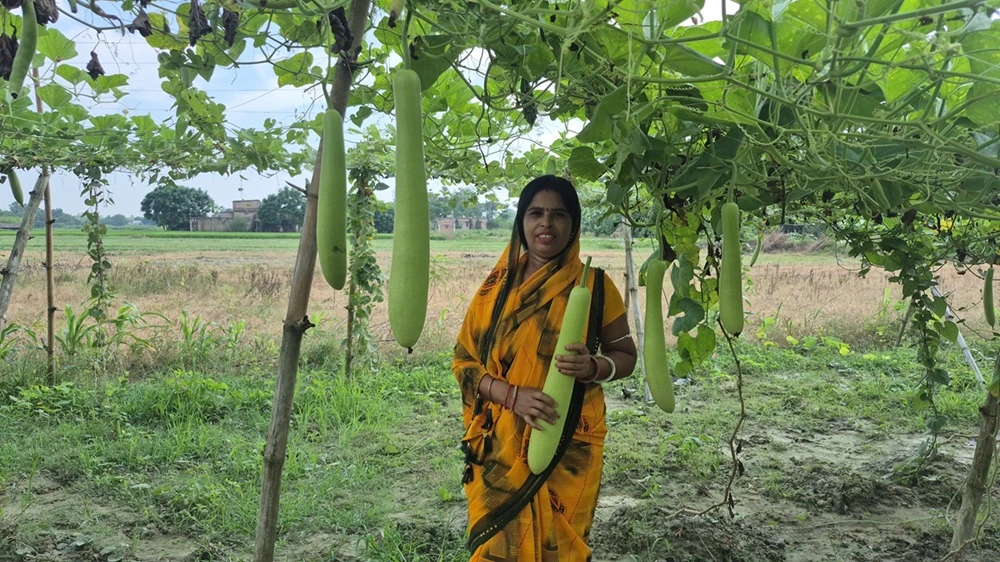
Ms. Meena Devi, a smallholder farmer from Lalganj village in Vaishali district, Bihar, was facing declining soil fertility and poor vegetable yields. Her crops showed yellowing leaves, stunted growth, and low productivity, which affected both her family’s nutrition and household income.

Under the Holistic Rural Development Programme (HRDP), supported by HDFC Bank’s Parivartan initiative and implemented by BAIF, she received training on preparing and using Jeevamrut, a low-cost organic bio-input prepared from locally available materials. Jeevamrut helps revitalize soil by increasing microbial activity and improving nutrient availability.

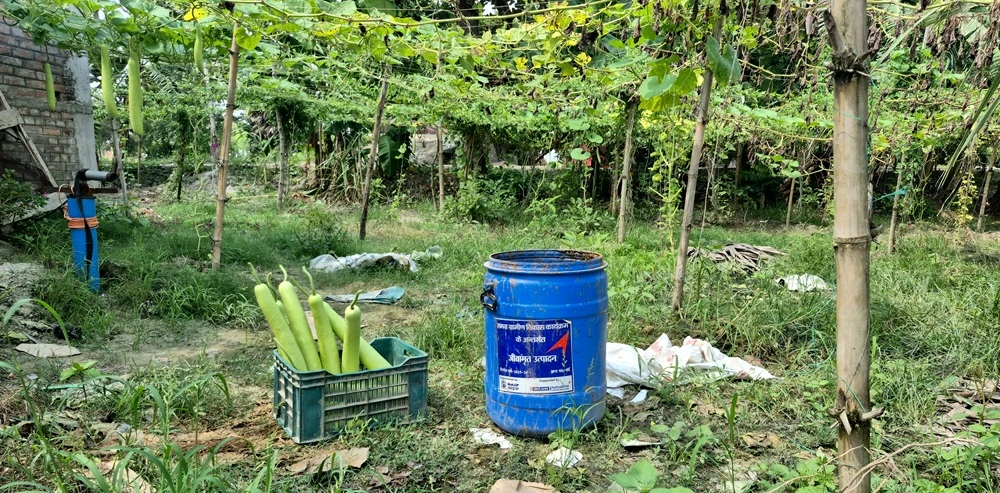
After applying Jeevamrut three times over 45 days on her 3 kattha vegetable plot, Meena Devi noticed visible improvement in crop health and vigor. She harvested around 250 bottle gourds, 30 kg bitter gourd, 40 kg sponge gourd, 12 kg ridge gourd, and 15 kg ivy gourd. Within a week, she earned approximately ₹3,900 from local sales. In addition, part of the produce was consumed by her family, improving nutrition and reducing household expenses. The intervention restored her confidence in sustainable farming and strengthenedher livelihood.

Safe Drinking Water Transforms Daily Lives

Safe Drinking Water Transforms Daily Lives

BISLD Odisha

The Barasahi Water User Group in Ghantiyanali village, Kaniha block, Angul district, Odisha, earlier depended on a single hand pump for drinking water. During summers, water scarcity caused long queues, forcing women and children to spend hours fetching water, affecting health, hygiene, and productivity.
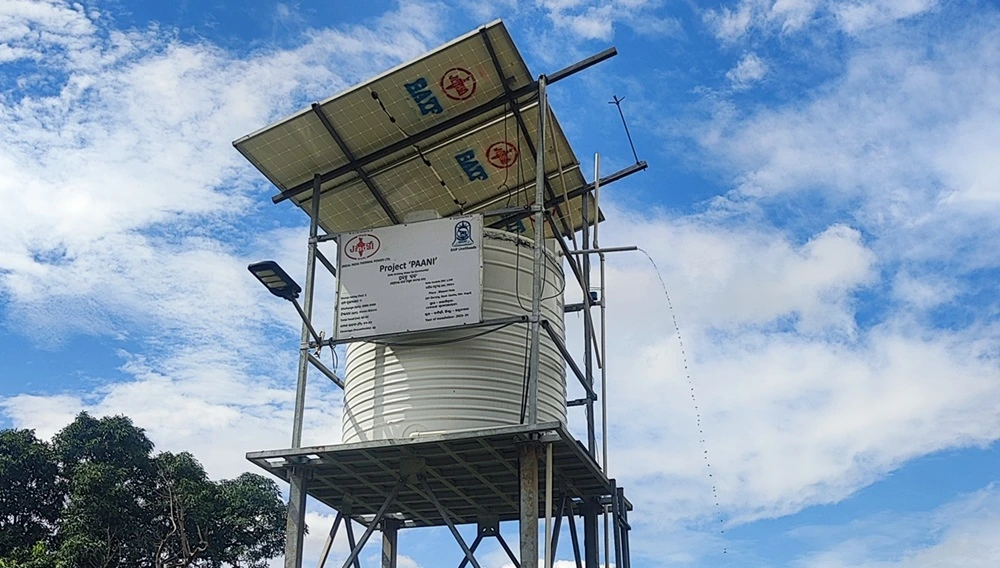
Under the PAANI project, supported by Jindal India Power Ltd. and implemented by BAIF, a solar-powered drinking water system was installed. A 2 HP pump powered by a 2,010 W solar array fills a 5,000-litre overhead tank. An Aquaguard ultrafiltration unit ensures safe drinking water, supplied through four taps at three standposts.
The system now provides nearly 10,000 litres of clean water daily, significantly reducing drudgery, improving hygiene, and enhancing overall well-being. The use of renewable energy also saves 5–8 kWh of electricity daily, contributing to climate resilience.
Solar Lift Irrigation Brings New Life to Upland Farms

Solar Lift Irrigation Brings New Life to Upland Farms

BISLD Jharkhand

In Ghaghra block of Gumla district, Jharkhand, many farmers owned upland (tanr) land that remained uncultivated due to lack of irrigation. Despite the presence of the Kera Jharia river, water could not be utilized, forcing families to depend on rainfed agriculture and seasonal migration.

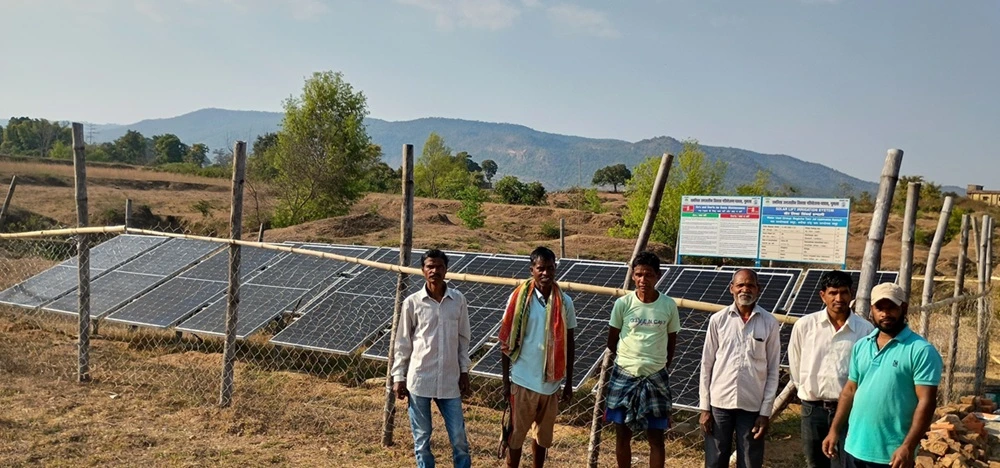
Through the Integrated Tribal Development Project (ITDP-TDF), supported by NABARD and implemented by BAIF, 31 farmers collectively installed a 10 HP solar-powered lift irrigation system. The system lifts water from the river to irrigate upland fields. Farmers also received horticultural saplings (litchi, lemon, apple ber, papaya, drumstick), agricultural inputs, intercropping seeds, and training in sustainable Wadi development.

Once barren lands now support orchards and intercrops, generating a total income of ₹23.55 lakh, averaging ₹0.76 lakh per farmer. Food security improved, migration reduced, and a water user group was formed to manage and maintain the system, ensuring long-term sustainability.

Women Centric Solar Dryer Food Enterprise Project

Women Centric Solar Dryer Food Enterprise Project

Sitaram Rao Livelihoods India Case Study Compendium 2021

Agro and Food Processing for Advancing Rural Development

Women centric solar dryer enterprise is a livelihood model, focusing on the livelihoods of rural women of Haveli and Daund Taluka in Pune district of Maharashtra. Before understanding the model, one must understand the meaning of livelihood, which basically refers to securing the basic needs for human survival.  Livelihood is defined and factored into a set of activities in which an individual is involved to fulfil his or her needs for existence.  This covers the economic and social wellbeing of the individual. Securing livelihood opportunities for women is one of the many goals of the model. As women in rural areas are deprived of opportunities and chances of improving their living conditions and livelihoods.


In this case study, the major focus is to understand the importance of building capacities and giving opportunities to women in improving their livelihood. The beneficiaries of the case study are women of Self-help groups, who prior to the project intervention, engaged in minimal or no entrepreneurial activities Read more…

Plant breeder with a Story to tell

Plant breeder with a Story to tell

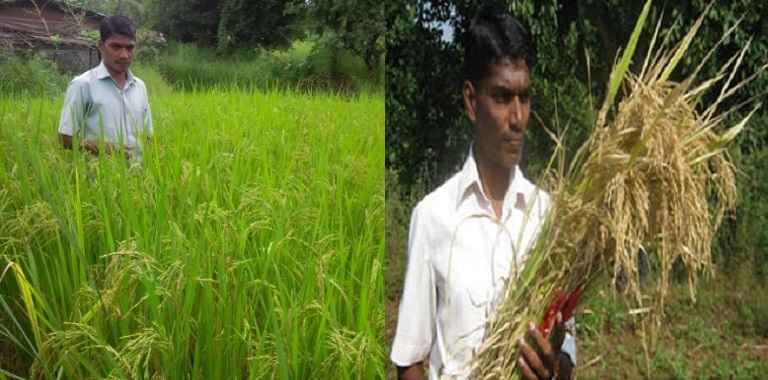
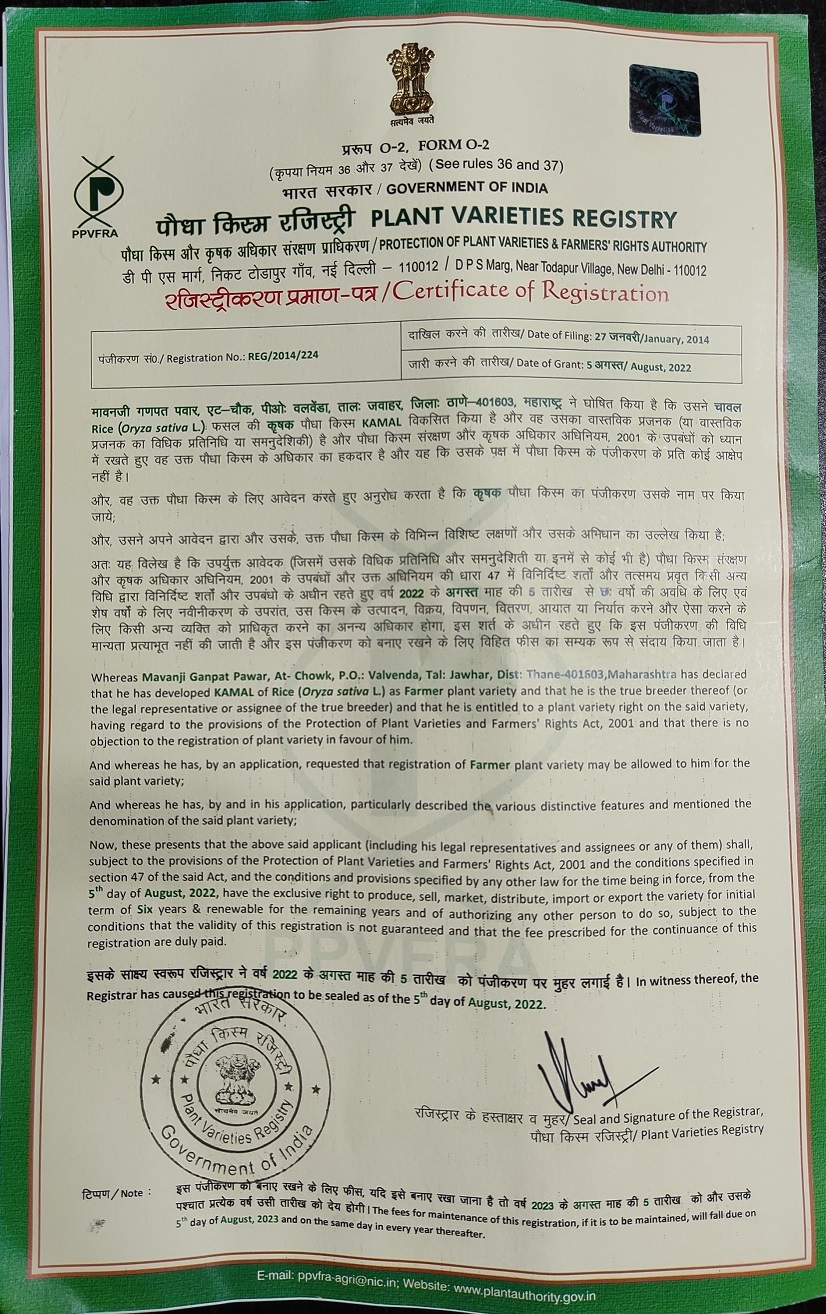
Nov. 1, 2022: The first day of November 2022 brought good news for Mavanji Pawar from Chowk, Valvenda in Jawhar, Palghar district of Maharashtra. His true breeder “Kamal” non-scented variety of rice (Oryza sativa L.), received the Plant Varieties Certificate of Registration from the Protection of Plant Varieties & Farmers Rights Authority, Government of India.


He is one of the many plant breeders of this tribal belt who due to their tribal antecedents, have grown up with an affinity towards cultivation, promotion and conservation of indigenous crops. Mavanji is quick to also acknowledge the contribution of his parents in enriching his native wisdom.  However, life for him was not smooth as he abruptly abandoned his studies and thereafter struggled as a shop floor operator at a factory in Silvassa, night-time watchman, a daily wages worker at the BAIF Field Station on research, demonstration and training at Jawhar till lady luck smiled on him and he landed himself the dream job of a Field Assistant to the Agro-biodiversity Conservation Programme being implemented by BAIF in 142 villages in nine clusters of four agro-climatic zones of Maharashtra. He has been associated with this programme since the last 14 years.


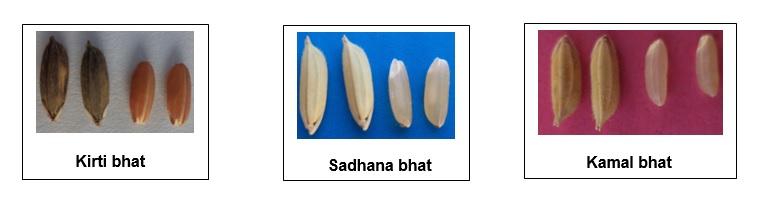
Establishment of a Community Seed Bank, registering with the Seed Savers’ Group at Jawhar, adoption of System of Rice Intensification (SRI) method of paddy cultivation, establishment of a paddy nursery, functioning as a Resource Person for 400 tribal students, conservation of more than 50 indigenous crop cultivars, purification and characterisation of paddy landraces, developing “Sadhana” and “Kirti” varieties of rice which are under registration process, attaining a production of about 1.9 tons of quality seeds of rice, millets and beans in the last three years and training more than 2000 farmers in rice cultivation techniques have been some of his achievements.


Featured in “Krishi Sutra”- Profiles of 100 Agricultural Innovators of India” published by the Ministry of Agriculture and Food Processing Industries, Government of India, Mavanji is also a recipient of the National Genome Saviour Farmers Award 2011 and the Best Farmer Innovator associated with BAIF Award 2013. His wife “Kamal” after whom he has registered his rice variety, is an active member of the Self Help Group of their village and also a much sought after E-Dost. This barefoot scientist who has shared his experiences at various state and national forums, Agricultural Universities and Krishi Vigyan Kendras, is truly an innovative farmer with an inventive mind.

Green Fodder to the Rescue

Green Fodder to the Rescue

Rasilaben Bheraji from Khedasan village in Sabarkantha district, enrolled for the Utthan project supported by McCain Foods India Pvt. Ltd. With technical information on genetically improved variety of fodder BNH 10 and supported with 500 stem cuttings she initiated farming with BNH 10 on her own land. By the end of the year, she ensured abundant green fodder for her beloved animals year-round, resulting in improved milk yield and additional income of INR 30,000 through sale of surplus green fodder in the market.

She purchased another cow which resulted in additional income. Inspired by her, many farmers from the region have also started cultivating BNH 10 on their farm land with hope of changing their prospects.

Today, she is instrumental in making Khedasan village self-sufficient in perennial green fodder and increased milk production.

Wadi provides Hope

Wadi provides Hope

Yashwant, a resident of Shiroshi village in Jawhar, Palghar district and a father of two, inspite of owning 2 ha was forced to migrate to nearby cities of Palghar, Nashik and Mumbai. Realising that he could not continue this way, this fourth standard pass, enrolled for a training programme on wadi and decided to cultivate horticulture crops and floriculture on 0.8 ha land. Tata Motors supported him with saplings and for water storage in a farm pond under the Integrated Village Development Programme. His chilli crop fetched him INR 67,500 in the first season itself with marketing support from BAIF Livelihoods. He also had a successful experience with jasmine cultivation within 10 months of plantation. Yashwant was supported with various interventions such as fish farming, installation of solar pump, groundnut cultivation, establishment of nursery and biogas unit. Presently, he is earning INR 6000 to 8000 from fish farming and vegetable cultivation and an additional INR 5000 after deducting all the input costs.

He is confident of being able to provide good education to his children. He is also relieved that he does not have to migrate and be separated from his family.

Best Wadi Participant

Best Wadi Participant

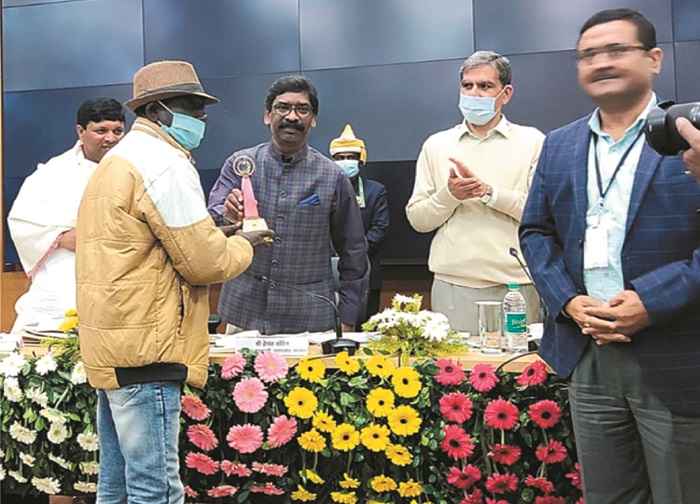
Vinod Bhengra, a resident of Raidung village and a participant of the Wadi Programme funded under the NABARD – Tribal Development Fund implemented at Torpa, Khunti district, was felicitated by the Chief Minister of Jharkhand, Shri. Hemant Soren on February 23, 2022 in Ranchi.

He planted guava and mango along with brinjal, green chilli, tomato and okra as intercrops. Training in agricultural development at Birsa Agricultural University, Ranchi and ICAR Research Complex for Eastern Region at Palandu enabled him to gain technical know-how. He sold vegetables after a year of plantation. In 2018, he received a good produce which fetched him an attractive price in the market. He planted wild grass intermeshed with bamboo on the periphery of his wadi which with subsequent rains after plantation, resulted in natural protection. Vinod also planted French beans which further enhanced his income. Adjudged the “Best Farmer” by Birsa Agricultural University, Ranchi, he markets his produce through OMON Producer Company Ltd., promoted by BISLD Jharkhand. He obtained INR 50,000 from watermelon and jackfruit crop while his annual income from wadi increased to Rs. 6 lakhs (0.6 million).

Trellis farming catches the attention of traditional farmers

Trellis farming catches the attention of traditional farmers

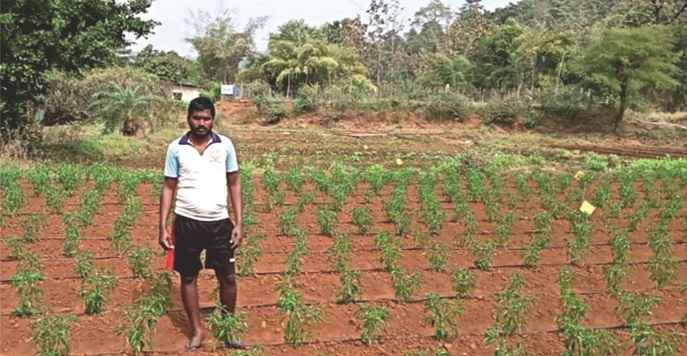
Parameshwar Gadua lives with his family in Dahimal village in Balangir district. Due to recurrent drought, he was not able to support his family. Learning about the benefit of trellis farming system, he decided to take up cultivation of Bitter gourd adopting trellis farming. He was amazed when he obtained an astonishing yield of 10 kg in the first harvest and thereafter every week and which increased to 50 – 60 kg yield per week subsequently. While he is keeping aside a small quantity for the household, he is selling the rest in the local market. So far, he has earned INR 24,000/- from sale of 800 kg of Bitter gourd. Parameshwar is today a satisfied farmer.