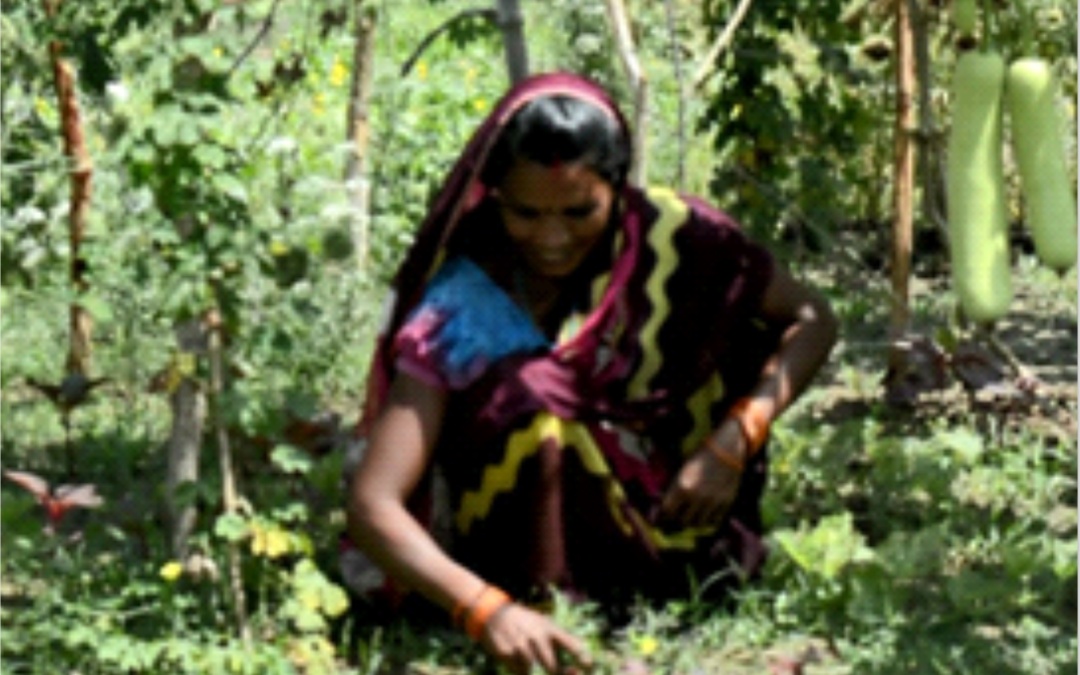
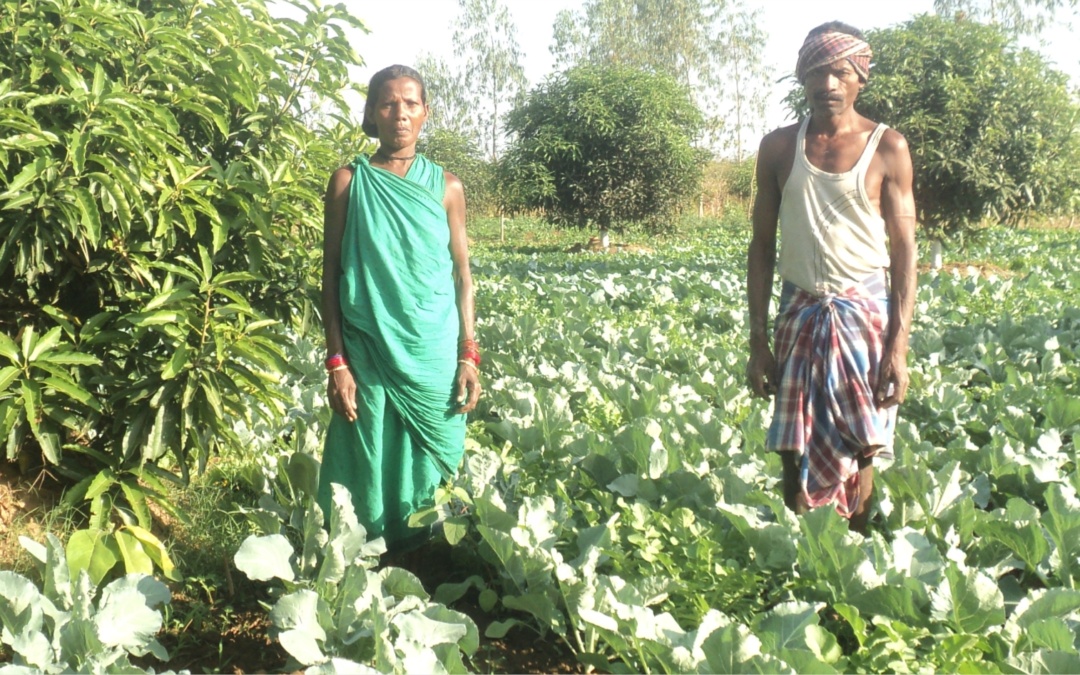
At first, Rangaina Koppalu village in Hunsur taluk of Mysuru district appears to be nondescript, but as one walks by its bylanes, one gets to see boards next to the main doors bearing the names of ‘Champion’ women. They are championing women empowerment and right agricultural practices, and are trained under Mahindra & Mahindra’s Prerna initiative. The initiative, which was first launched in Odisha in October 2017 and later expanded to Madhya Pradesh, Maharashtra and Karnataka, is positively impacting the lives of thousands of women farmers in partnership with Central Institution for Women in Agriculture, Indian Council for Agricultural Research, BAIF Development Research Foundation and NGO Pradhan.
In Karnataka, the initiative is carried out in two clusters, one in Mysuru and the other in Tumakuru. Each Prerna cluster comprises 100 Champion women farmers, who in turn train 10 other women. Therefore each cluster covers 1,000 women. The women are trained to use gender-neutral, easy-to-use farm tools such as battery sprayer, pedal-operated thresher, dry-land weeder, power thresher cum winnower etc, which reduces farm drudgery, increases farm productivity and thereby their income.
“Through Prerna, we aim to empower women farmers with the necessary opportunities, training and equipment to be better skilled and more productive in farming operations,” says Rajesh Jejurikar, President, Farm Equipment Sector, Mahindra & Mahindra Ltd. From playing a secondary role — by weeding, watering, harvesting and threshing, as instructed by their husbands — these women are now decision-makers and financially independent.
“Earlier, we were ignorant and would blindly do what was told by our husbands,” says Mangala Gowri, a 41-year-old champion farmer. “But now, we have a good understanding of seed selection, the right time and method to sow, the way to water the crops, and manure application. In fact, we advise our husbands on farming,” Mangala Gowri says.
Mixed cropping
Resource persons from the agricultural department and NGOs take monthly sessions on different farm practices. Demo plots have been created for the practicals. They are even taught to prepare organic fertilisers and pesticides at home using locally available resources. The use of these eco-friendly solutions not only improves the soil quality but also saves a major portion of their income.
The farmers of Rangaina Koppalu, who were mainly cultivating tobacco earlier, have now adopted mixed cropping and are gradually switching to ragi (finger millet) and toor dal (pigeon pea) as the main crop along with avarekai (hyacinth bean), hesaru (green gram), yellu (sesame) and vegetables, which have improved their earnings. “We were provided with better-quality seeds, using which we harvested 14 quintals of ragi per acre, whereas before we would harvest just eight quintals per acre,” says Roja Mahesha, a 25-year-old farmer. The once-shy women are now confident and participate in gram sabhas, social meetings, and voice their opinions.
They are taken to krishi melas and agricultural institutes in different parts of the state, which has given them a good exposure. “As we were confined to our homes earlier, we didn’t know the details of our farmland like its measurement and survey number. We weren’t aware of the agricultural department and the facilities we could avail,” says Shashikala Lokesh, a 38-year-old farmer. “Most of us did not have proper documents either.” Now, they are well informed, get their soils tested and visit the panchayat office and agricultural department on their own.
The road ahead
“The programme will be implemented for a period of two years in each cluster, and we ensure that the women will be self-sustainable within this period,” says a project leader. Beyond sessions on agricultural practices, sessions on health, hygiene and nutrition are in place to bring about a holistic development. The initiative has also empowered these women digitally. They now use smartphones, are part of WhatsApp groups where they discuss agricultural practices, and know how to transfer money online. Mangala Gowri proudly shows the wristwatch she recently ordered online.